What is Agari (Winning Hand)?
Agari (和了) refers to completing your hand and scoring points in mahjong. Formally written as “和了” (hora), it’s commonly called “agari.” The basic form is “4 sets + 1 pair,” with the goal of collecting 14 tiles.
There are two types of agari: “tsumo” and “ron,” and you must have at least one “yaku” (hand pattern). Simply having 14 tiles isn’t enough to win—meeting the yaku requirement creates mahjong’s strategic depth.
Detailed Explanation of Agari
Basic Winning Hand Structure
4 Sets + 1 Pair Composition (14 tiles):
Sets×4 + Pair×1 = 14 tiles (3×4) + (2×1)
Example:
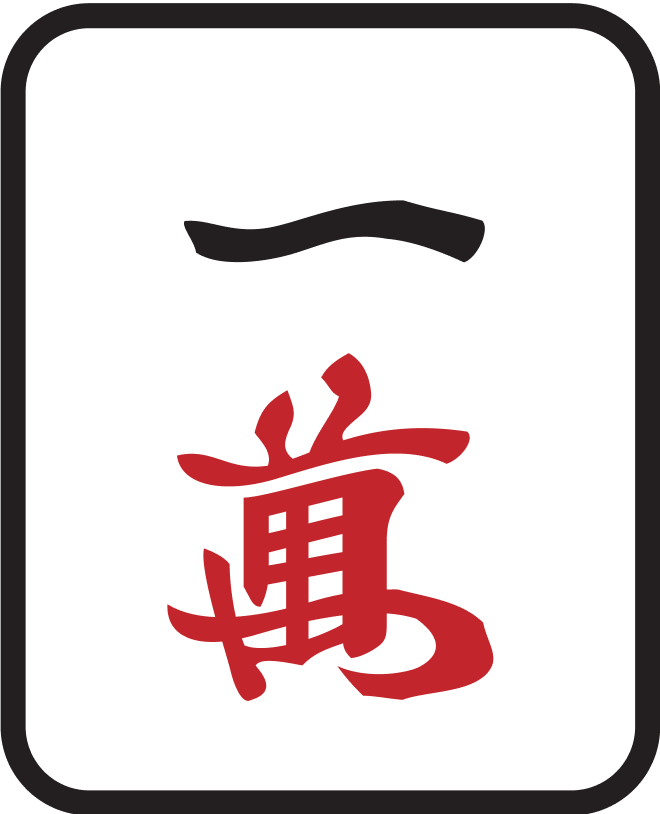
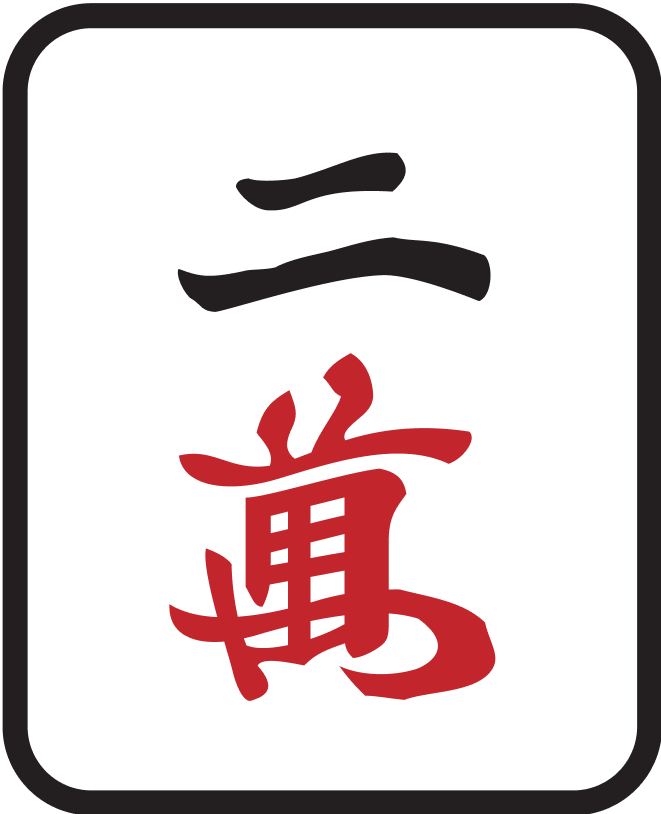

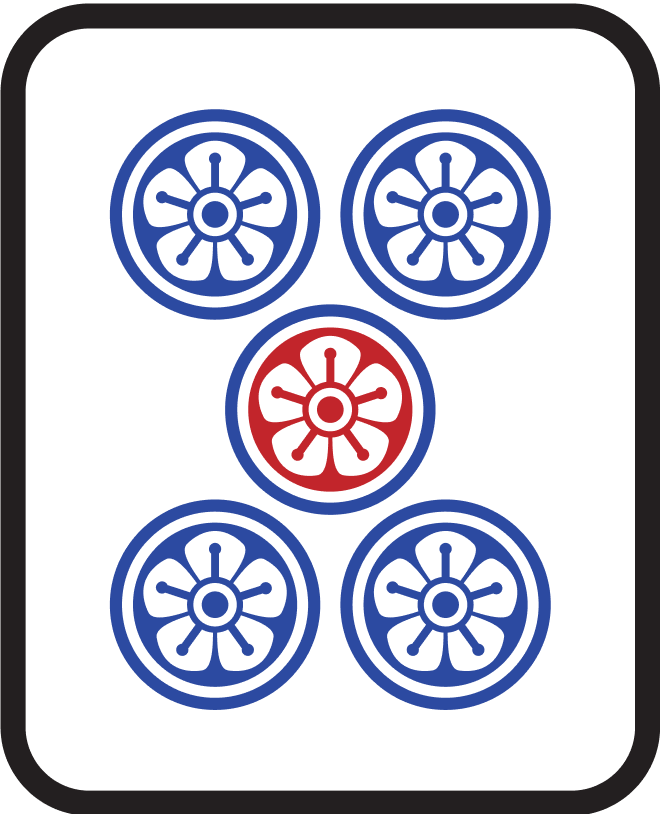
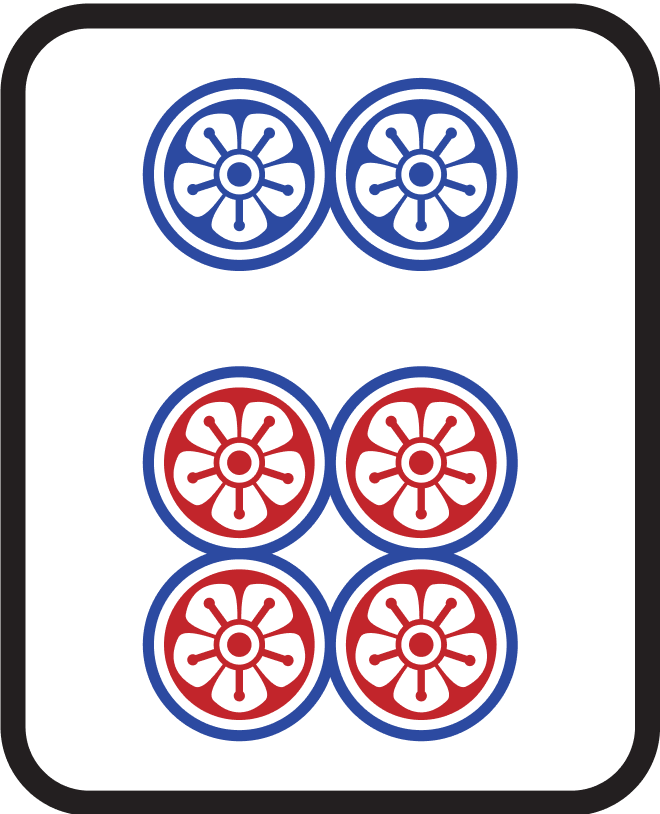
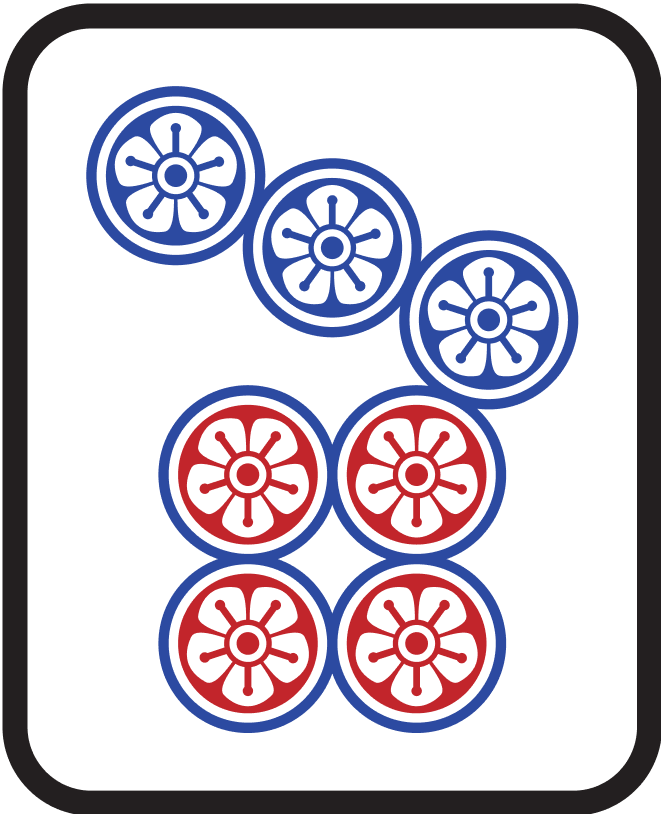
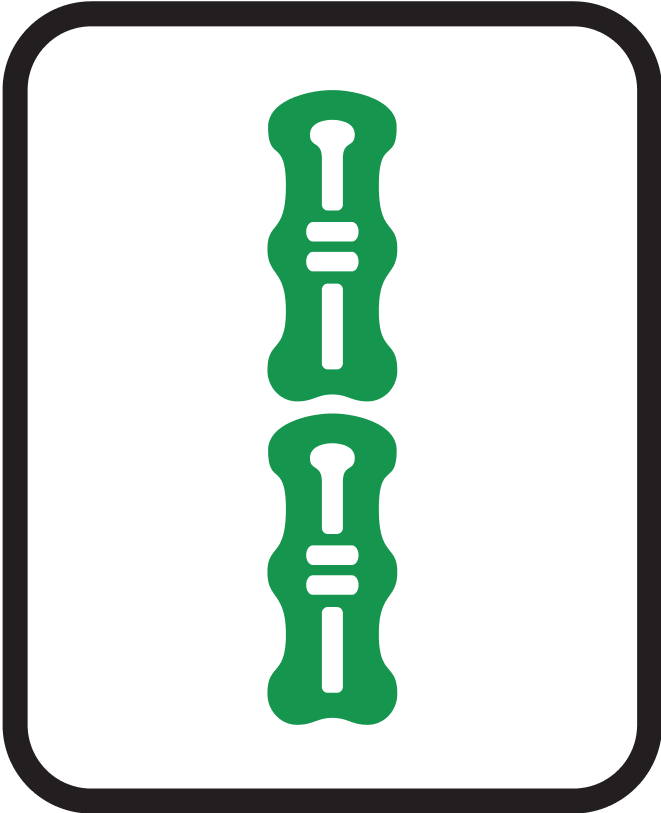
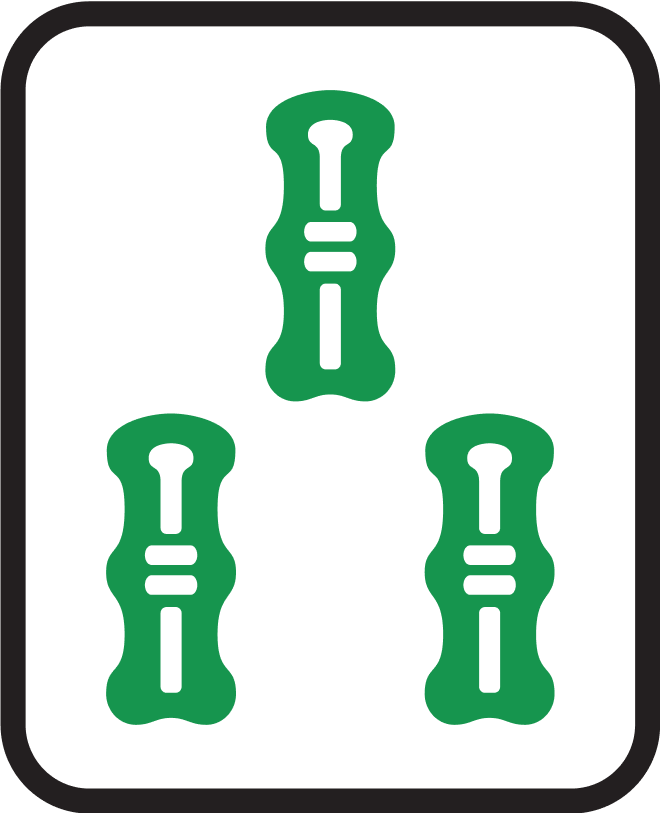
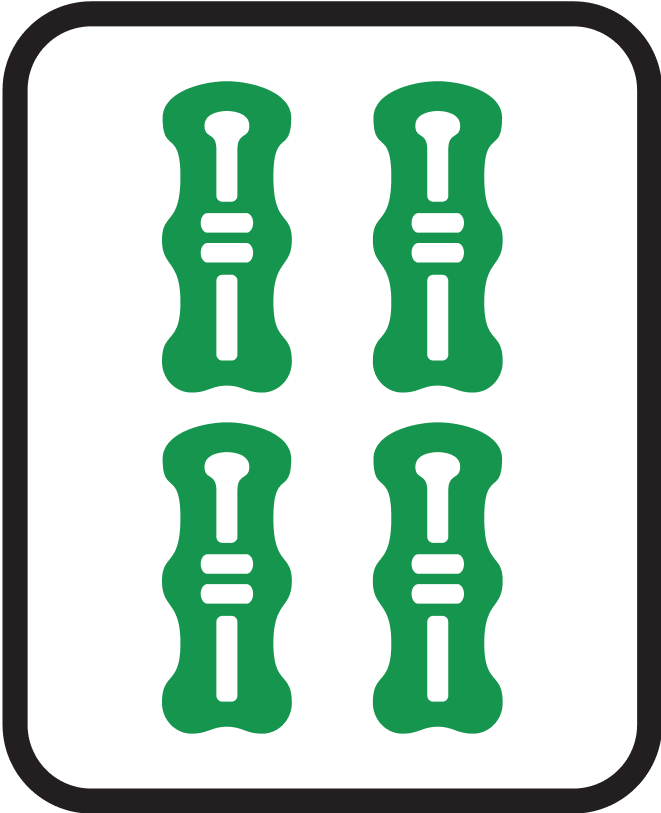

 (sequence) (sequence) (sequence) (triplet) (pair)
Types of Agari
| Type | Method | Characteristic | Yaku |
|---|---|---|---|
| Tsumo | Self-draw from the wall | Points from all players | Menzen Tsumo |
| Ron | Opponent’s discard | Points from discarder | Other yaku needed |
Requirements for Agari
3 Winning Conditions:
1. Formal Completion
   - 4 sets + 1 pair
   - Or special forms (chiitoitsu, kokushi)

2. Existence of Yaku
   - Minimum 1 required
   - No yaku = cannot win

3. Not in Furiten
   - Not waiting on own discards
   - Temporary furiten also invalid
Usage Examples
Real Game Situations
Example 1: Basic Usage
"Agari!" (I won!)
"Tsumo agari desu" (Self-draw win)
"Ron de agaru" (Win by ron)
Example 2: Situation Description
"Can't win without yaku"
"Having the shape isn't enough to win"
"Aiming for a winning hand"
Example 3: Strategic Discussion
"Prioritize winning even with low points"
"Aiming for high-scoring win"
"Missed wins lead to losses"
Related Terms
- Tsumo: Winning by self-draw
- Ron: Winning on opponent’s discard
- Tenpai: One tile away from winning
- Yaku: Hand patterns required to win
- Mentsu: Set of 3 tiles
- Jantou: Pair (2 identical tiles)
Common Mistakes and Points to Note
Points Beginners Often Mistake
-
Winning without yaku
- Shape alone isn’t enough
- Need at least 1 yaku
- Results in chombo (penalty)
-
Ron while in furiten
- Cannot ron on tiles in discards
- Tsumo is still allowed
- Temporary furiten also counts
-
Overlooking special forms
- Chiitoitsu (7 pairs)
- Kokushi musou (special form)
- Not just 4 sets + 1 pair
-
Misunderstanding scoring
- Number of yaku ≠ points
- Fu calculation also matters
- Different for dealer/non-dealer
Winning Hand Patterns
Standard Form (4 Sets + 1 Pair)
Basic Patterns:
1. Sequence-based
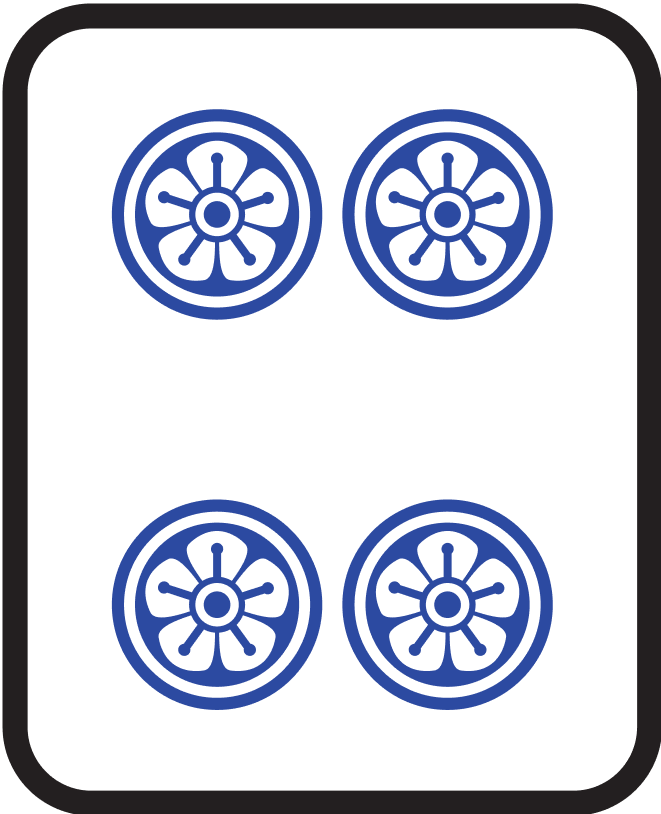
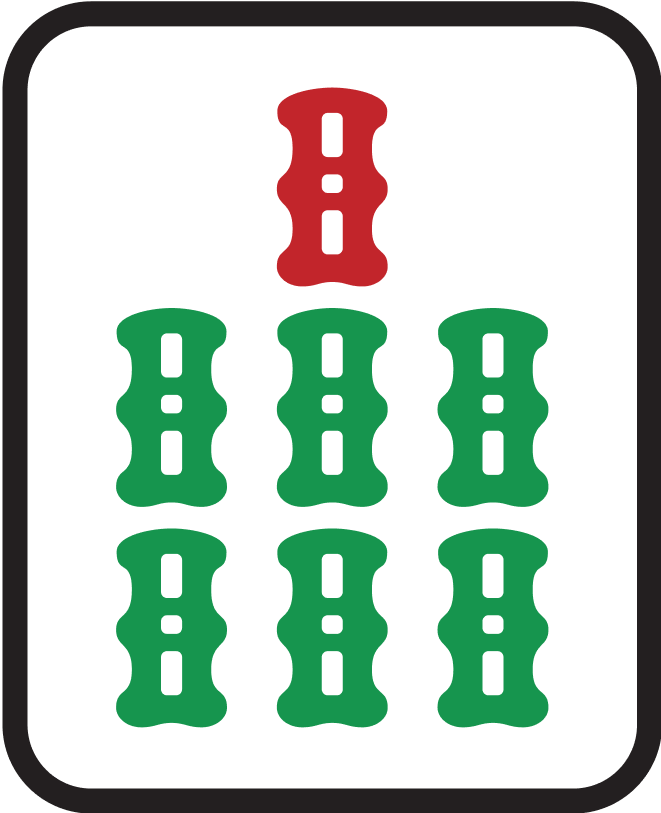
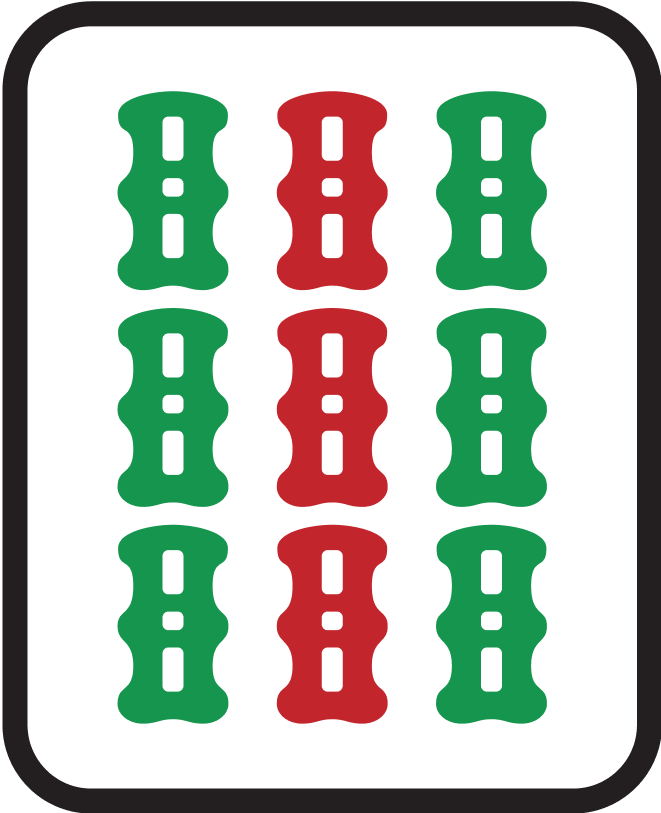
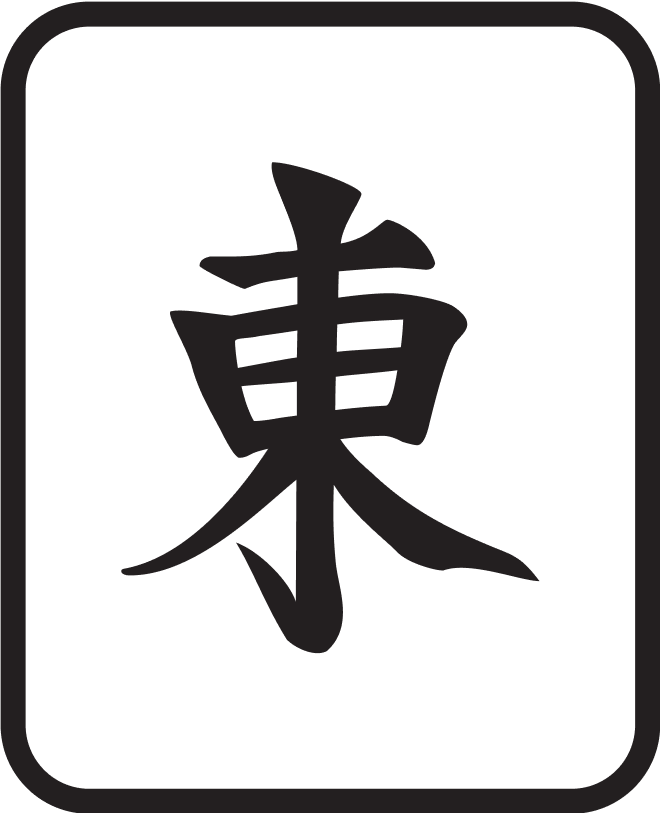

2. Triplet-based
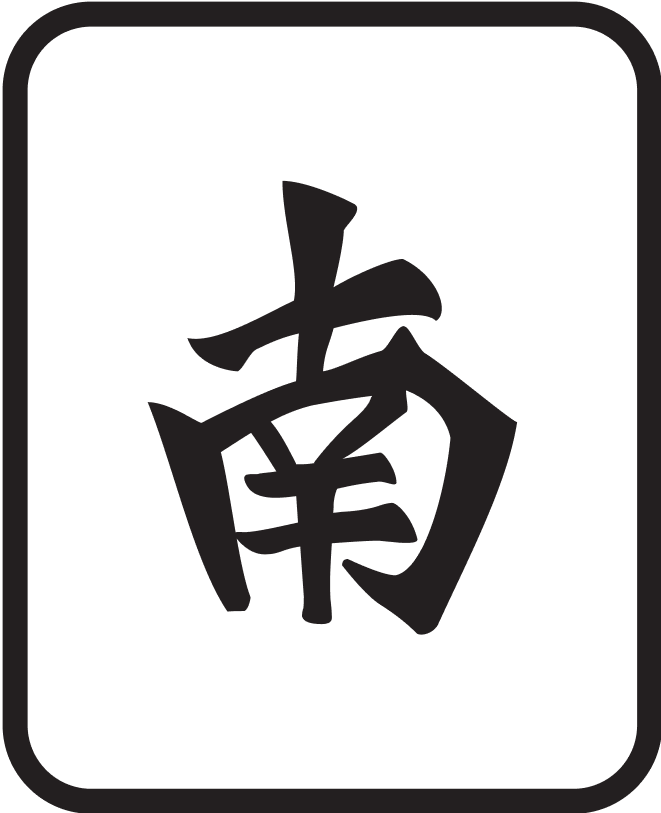
3. Mixed
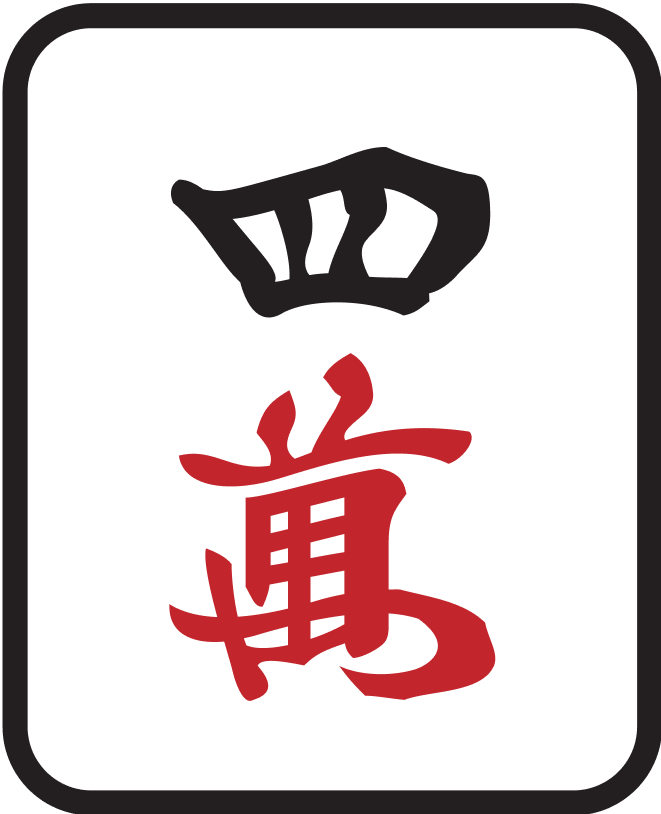

Special Forms
| Form | Composition | Feature |
|---|---|---|
| Chiitoitsu | 7 pairs | Fixed 25 fu |
| Kokushi musou | Terminals + 1 pair | Yakuman |
| Suuankou | 4 concealed triplets | Yakuman |
Path to Agari
From Starting Hand to Win
Progression Stages:
1. Starting Hand (13 tiles)
   - Check shanten count
   - Decide strategy

2. Hand Building Phase
   - Discard unnecessary tiles
   - Create sets

3. Tenpai
   - One tile away
   - Consider riichi

4. Agari
   - Tsumo or ron
   - Receive points
Efficient Winning Strategy
| Strategy | Content | Merit |
|---|---|---|
| Prioritize open waits | Increase waiting tiles | Higher win rate |
| Secure yaku | Build yaku early | Peace of mind |
| Consider defense | Avoid dealing in | Net positive |
Relationship Between Agari and Yaku
Why Yaku is Required
Importance of Yaku:
1. Enhanced Gameplay
   - Not just tile matching
   - Strategic depth

2. Eliminate Pure Luck
   - Can't win on luck alone
   - Skill required

3. Diverse Play Styles
   - Various yaku to aim for
   - Range of strategies
Beginner-Friendly Yaku
| Yaku Name | Requirement | Difficulty |
|---|---|---|
| Riichi | Tenpai declaration | Easy |
| Tanyao | Simples only | Easy |
| Yakuhai | Specific triplet | Easy |
| Pinfu | All sequences | Medium |
Agari Validation
Confirming Valid Win
Checklist:
□ 14 tiles collected
□ 4 sets + 1 pair (or special form)
□ At least 1 yaku
□ Not in furiten
□ No rule violations
Agari Procedure
| Order | Action | Notes |
|---|---|---|
| 1 | Declaration | Say “Tsumo” or “Ron” |
| 2 | Reveal hand | Show all tiles |
| 3 | Declare yaku | State accurately |
| 4 | Declare points | Calculate and announce |
Timing of Agari
When to Win Aggressively
Situations to win actively:
1. Final round (Oorasu)
   - Secure placement
   - Comeback opportunity

2. Dealer turn
   - Renchan chance
   - 1.5x points

3. When leading
   - Escape strategy
   - Safety priority
When to Pass on Winning
| Situation | Reason | Decision |
|---|---|---|
| Low-value hand | Wait for higher score | Situational |
| Yakuman wait | Chase the dream | High risk |
| Furiten acceptable | Switch to other wait | Advanced |
Tips to Increase Win Rate
Basic Concepts
Elements of Higher Win Rate:
1. Wait breadth
   - Create multiple waits
   - Maintain good shapes

2. Easy yaku formation
   - Aim for multiple yaku
   - Yaku even after calling

3. Balance with defense
   - Don't deal in
   - Win overall
Practical Points
| Game Phase | Priority | Reason |
|---|---|---|
| Early | Keep options open | Preserve possibilities |
| Middle | Secure yaku | Ensure ability to win |
| Late | Prioritize speed | Running out of time |
Statistics on Agari
Average Win Rates
General Statistics:
- Win rate per hand: ~25%
- Tsumo:Ron ratio: 6:4
- Average winning turn: 11-12
- Riichi win rate: ~30%
Distribution of Winning Forms
| Winning Form | Rate | Feature |
|---|---|---|
| 4 sets + 1 pair | ~95% | Standard |
| Chiitoitsu | ~4% | Special |
| Kokushi musou | ~0.04% | Yakuman |
| Other yakuman | ~0.96% | Super rare |
Conclusion
Agari (winning hand) is mahjong’s ultimate goal, basically collecting 4 sets + 1 pair for 14 tiles. However, you need at least one yaku in addition to the shape, and this requirement makes mahjong a deep game.
Beginners should first understand the basic “shape + yaku = agari” concept, then start with simple yaku (riichi, tanyao, yakuhai, etc.). Win points by winning hands, and win the game. Using various strategies toward this straightforward goal is the essence of mahjong’s appeal.