What is Chi?
Chi is the act of calling a tile from the left player (kamicha) to make a sequence (shuntsu) in mahjong. When you have 2 consecutive number tiles in your hand and kamicha discards the 3rd, you can call “chi” and take that tile.
Chi is unique among the three types of calls (pon, chi, kan) in that it can only be done from a specific opponent (kamicha). Also, it has the lowest priority—if pon or kan is called simultaneously, those take precedence.
- Ryanmen chi:
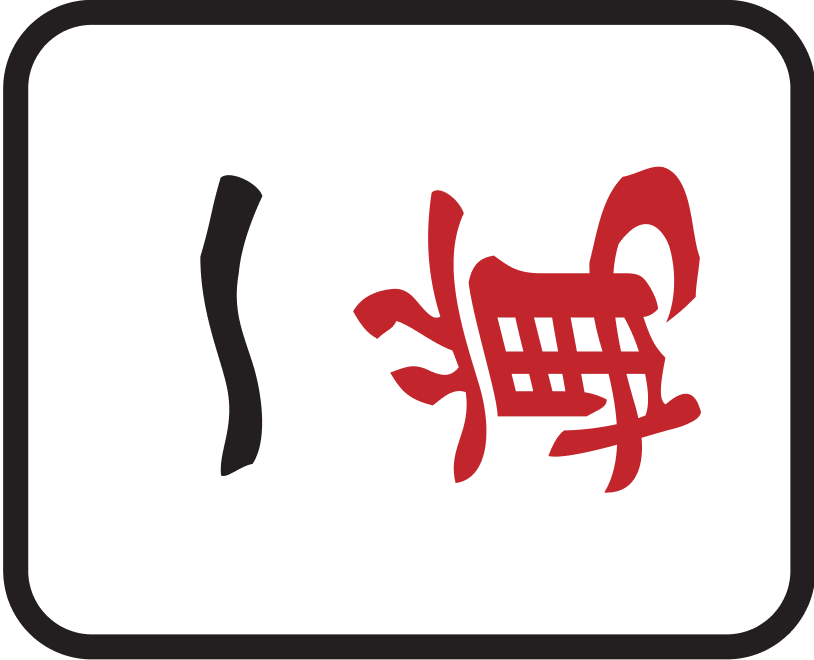
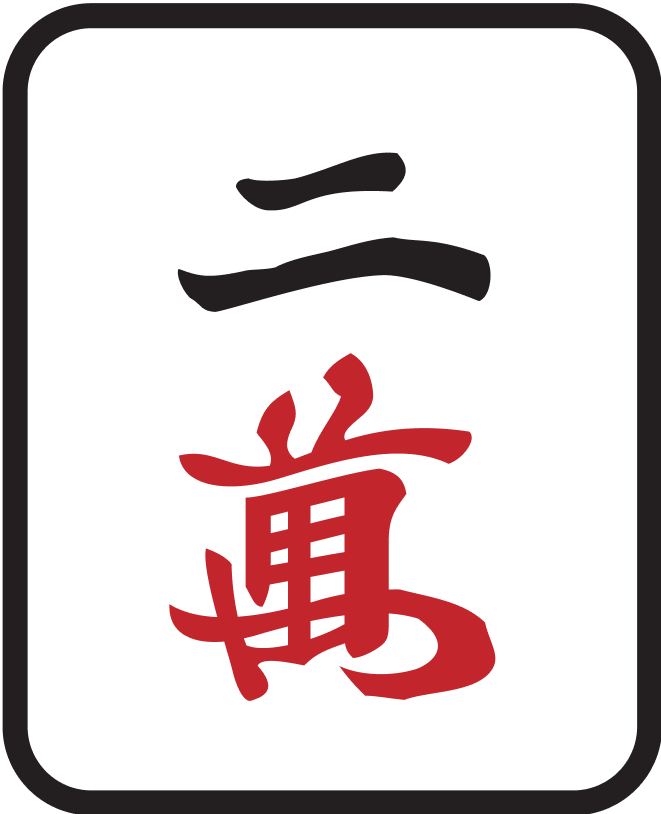

- Kanchan chi:
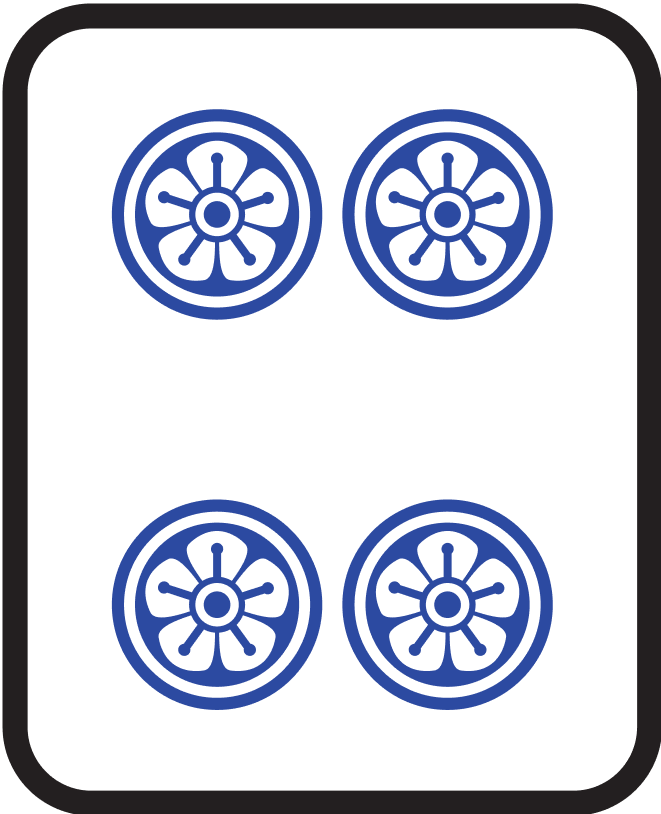
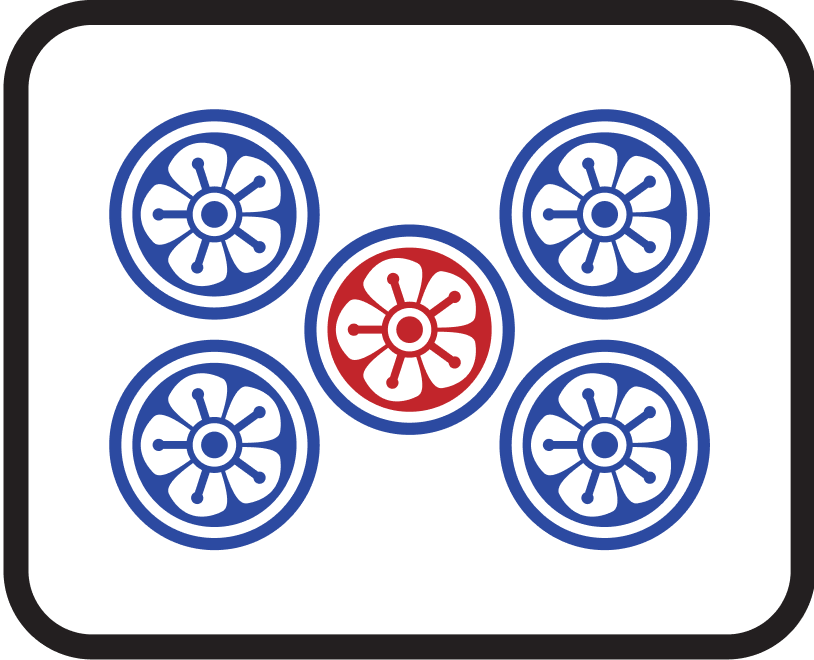
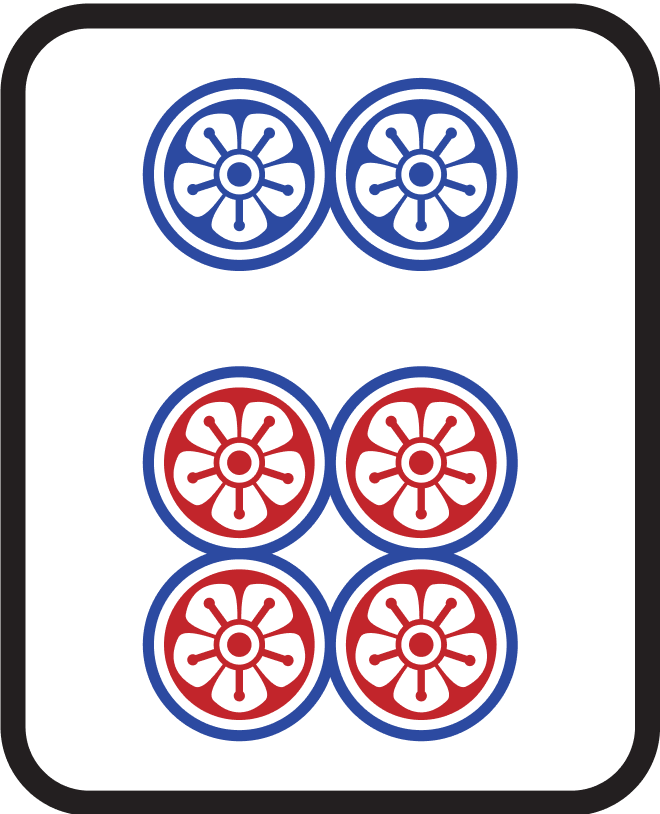
- Penchan chi:
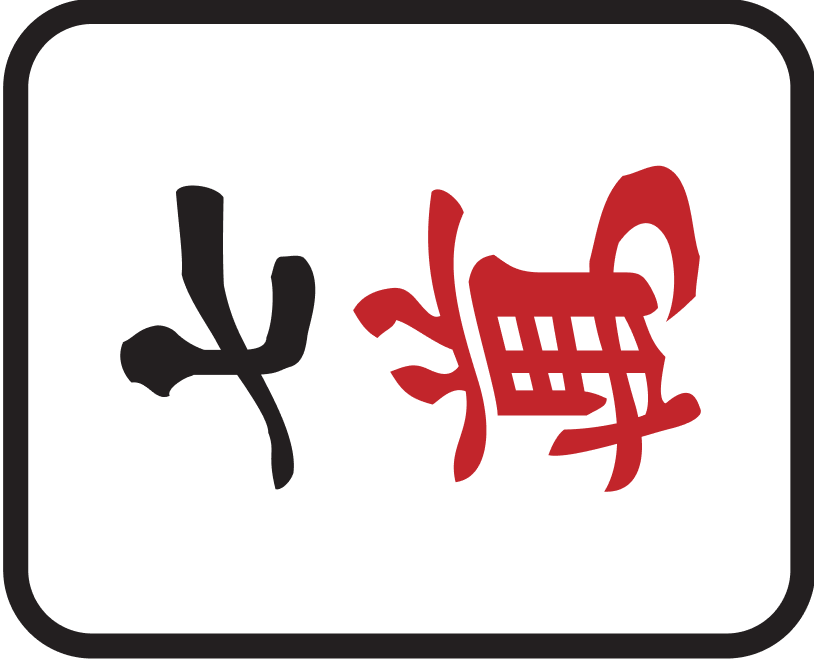
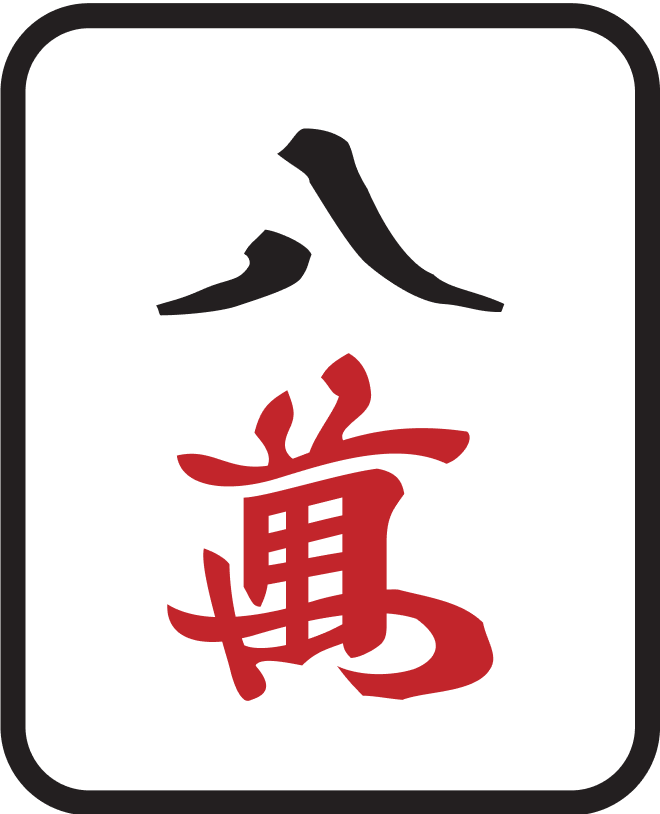
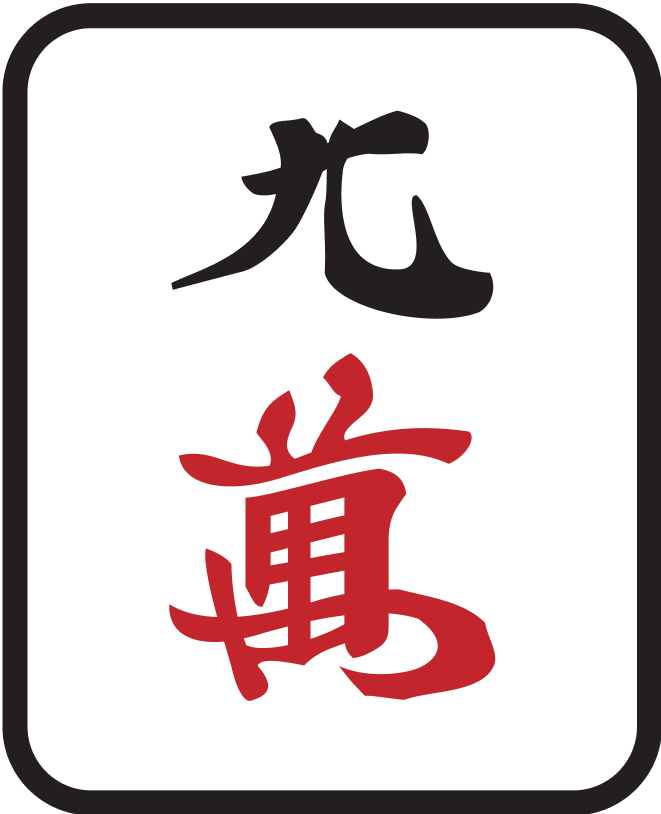
Detailed Explanation of Chi
Basic Chi Rules
| Item | Content |
|---|---|
| Callable from | Left player (kamicha) only |
| Required hand | 2 consecutive number tiles |
| Result | Sequence (3 consecutive number tiles) |
| Priority | Lowest (Ron > Kan > Pon > Chi) |
Chi Combinations
Hand tiles and callable chi:
12 → chi with 3 (makes 123 sequence)
23 → chi with 1 or 4 (makes 123 or 234)
34 → chi with 2 or 5 (makes 234 or 345)
13 → chi with 2 (makes 123 sequence)
89 → chi with 7 (makes 789 sequence)

Cannot chi examples:
11 → Same tiles, chi impossible (pon OK)
19 → Not consecutive, chi impossible
East-South → Honor tiles can't make sequences
Chi Procedure
| Step | Content | Note |
|---|---|---|
| 1. Kamicha discards | Left player discards | Can’t from others |
| 2. Call “Chi” | Declare clearly | Timing important |
| 3. Reveal hand | Show the 2 tiles | Don’t make mistake |
| 4. Make sequence | Place 3 tiles right | Arrange neatly |
| 5. Discard | Discard 1 unwanted | As normal |
Usage Examples
Real Game Situations
Example 1: Basic Chi
Hand: Holding 2-3 man
Kamicha: Discards 1-man
You: "Chi!" → Complete 123-man sequence
Example 2: Chi Choice
Hand: Holding 3-4 pin
Kamicha: Discards 2-pin → Can chi 234
Kamicha: Discards 5-pin → Can chi 345
Example 3: Cannot Chi Situations
Across discards 5-sou → Cannot chi (not kamicha)
Kamicha discards east → Cannot chi (honor tile)
Right player discards → Cannot chi (shimocha)
Related Terms
- Naki: General term for pon, chi, kan
- Pon: Call for triplets
- Kan: Call for quads
- Kamicha: Left player
- Shuntsu: 3 consecutive number tiles
- Fuuro: Formal name for calling
Common Mistakes and Points to Note
Points Beginners Often Mistake
-
Mistaking who to chi from
- Only from kamicha (left)
- Cannot from across or right
- Don’t confuse with pon
-
Mistaking chi-able tiles
- Number tiles only (man, pin, sou)
- Cannot chi honors
- Must be consecutive
-
Priority misunderstanding
- Pon takes priority
- Loses even with simultaneous call
- Ron is highest priority
-
Discard error after chi
- Must discard 1 tile
- Cannot discard revealed tiles
- Hand becomes 10 tiles
Strategic Value of Chi
Chi Merits
1. Advance hand quickly
   - Complete difficult sequences
   - Faster to tenpai
   - Quick cheap wins

2. Interfere with opponent progress
   - Stop wanted tiles
   - Disrupt rhythm
   - Delay tenpai

3. Reliably create sets
   - Don't need good waits
   - Resolve penchan/kanchan
   - Fix bad shapes
Chi Demerits
| Demerit | Impact | Countermeasure |
|---|---|---|
| Hand readable | Target revealed | Keep multiple options |
| Closed breaks | Cannot riichi | Use open-valid yaku |
| Defense weak | Deal-in risk | Keep safe tiles |
| Kuisagari | Yaku han decrease | Avoid high yaku |
Chi Tactics
When to Chi
Actively chi situations:
1. When tanyao is confirmed
2. When sanshoku is visible
3. Yakuhai backup (if atozuke OK)
4. Late game need quick win
5. Dealer aiming for renchan
6. Point situation urgent
When to Avoid Chi
| Situation | Reason | Alternative |
|---|---|---|
| Good hand | Riichi possible | Stay closed |
| High hand | Priority on points | Expect tsumo |
| Early game | Still have time | Observe |
| Flush hand | Hand gets revealed | Hide with closed |
Advanced Chi Techniques
Ryanmen Chi
Hand: 234567
Can chi when kamicha discards 1 or 8

Merits:
- Wide options
- Maintain tanyao
- Sanshoku possibility
Kutsuki Chi
Technique of chii-ing adjacent tile to make shape with isolated tiles.
| Hand | Kamicha discard | After chi |
|---|---|---|
| 4 (alone) | 3 | Wait with 34 chi |
| 6 (alone) | 7 | Wait with 67 chi |
Open Tanyao
Chi-utilizing tanyao:
1. Only 234-678 sequences
2. Avoid terminals (1,9)
3. Avoid honors
4. Speed priority
Detailed Chi Rules
Chi Restrictions
-
Swap calling forbidden
- Cannot immediately discard same tile
- Same-suit tiles also forbidden (varies)
-
Ippatsu cancellation
- Chi after riichi cancels ippatsu
- Can use strategically
-
Haitei/Houtei
- Can chi on last tile
- But must discard 1 tile
Special Cases
Simultaneous call processing:
- Chi vs Pon → Pon priority
- Chi vs Kan → Kan priority
- Chi vs Ron → Ron priority
- Chi vs Chi → Impossible (only 1 kamicha)
Chi Frequency and Statistics
General Usage Frequency
| Call type | Frequency | Reason |
|---|---|---|
| Chi | ~40% | Sequences easy |
| Pon | ~50% | Can call from anyone |
| Kan | ~10% | Strict conditions |
Yaku Compatible with Chi
Chi-friendly yaku:
1. Tanyao (best compatibility)
2. Sanshoku (essential technique)
3. Ikkitsuukan (chi utilization)
4. Chanta (terminal chi)
5. Junchan (terminal chi)
Chi Manners and Etiquette
Proper Chi Method
-
Clear declaration
- Say “chi” clearly
- Appropriate volume
- Don’t miss timing
-
Revealing method
- Take out 2 tiles from hand
- Combine with taken tile
- Place neatly on right
-
Quick to discard
- Minimize thinking time
- Keep smooth progression
Conclusion
Chi is calling from kamicha (left) only to make sequences, one of mahjong’s fundamental techniques. Can only be used with number tiles and has lowest priority, but plays an important role in advancing hands quickly.
Beginners should first firmly memorize who to chi from (kamicha only) and chi-able shapes (consecutive number tiles). Many yaku utilize chi like tanyao and sanshoku, so developing good judgment is important. Learn to balance the demerits of breaking closed hand with the merits of speeding up, making optimal choices based on situations.