What is Daisangen (Big Three Dragons)?
Daisangen (大三元) is a mahjong yakuman where you make triplets from all three dragon types (white, green, red). It’s a popular yakuman for its powerful and straightforward concept of monopolizing the highly valuable dragons among honor tiles.
One of the few yakuman that can be completed with calling, you can actively pon to build it. However, calling the second dragon tile creates the possibility of “responsibility payment” (sekinin-barai), requiring caution.
Detailed Explanation of Daisangen
Establishment Conditions
For daisangen to be valid, these conditions must be met:
| Condition | Details | Notes |
|---|---|---|
| White triplet |  | Can pon |
| Green triplet | 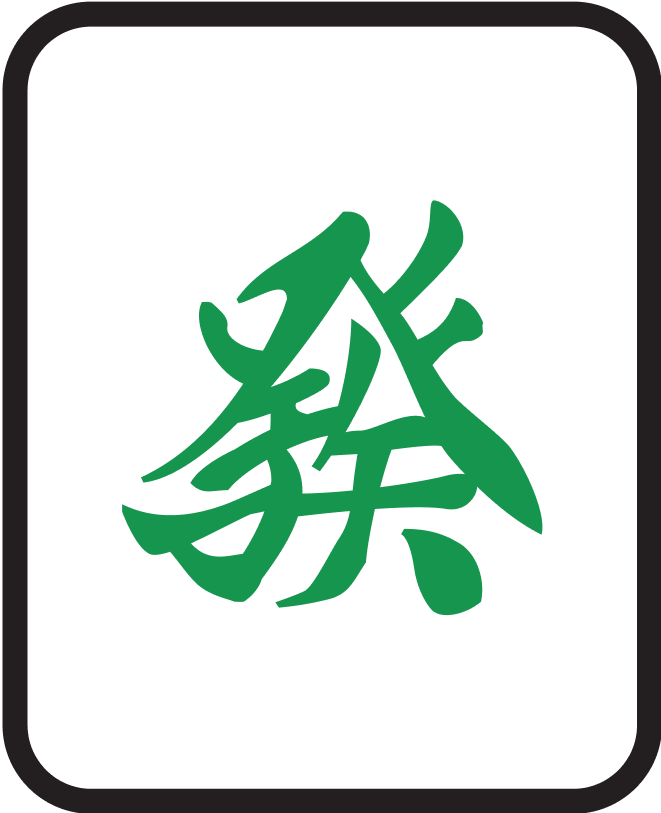 | Can pon |
| Red triplet | 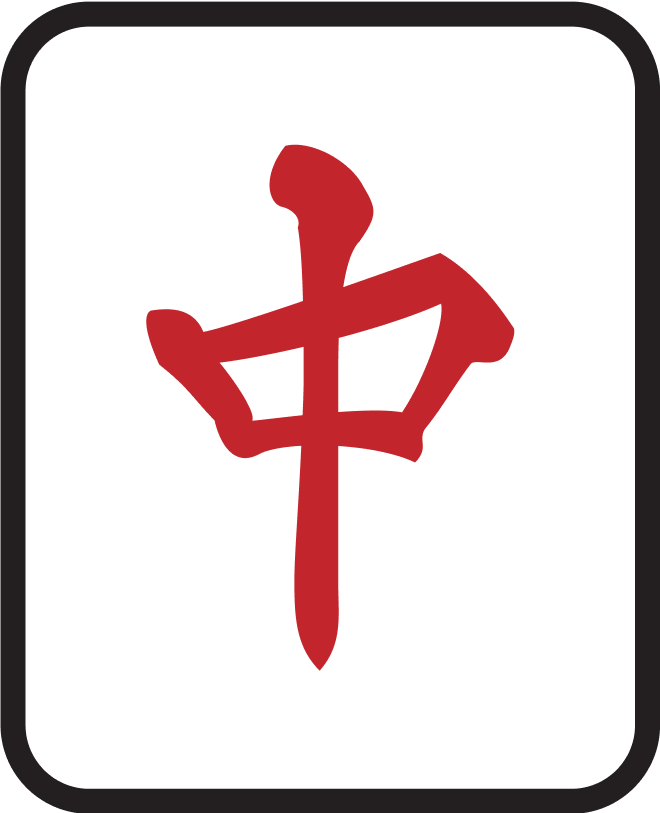 | Can pon |
| Remaining set + pair | Any OK | Sequences or triplets |
Daisangen Characteristics
Differences from other yakuman:
-
Can be called
- Can pon to build
- Open hand OK
-
Easy to understand
- 3 dragon triplets
- Easy for beginners to remember
-
Responsibility payment
- Special rule applies
- Person who let 2nd dragon be called
Usage Examples
Real Game Situations
Example 1: Building Phase
"Pon white! Aiming for daisangen"
"Called green too, daisangen confirmed"
Example 2: Tenpai and Win
"Daisangen tenpai"
"Daisangen! Responsibility payment!"
Example 3: Warning Expressions
"Called 2, watch for daisangen"
"Absolutely don't discard dragons"
Daisangen Patterns
Basic Form
Hand: :5z::5z::5z: :6z::6z::6z: :7z::7z::7z: :1m::2m::3m: :5s::5s:
Complete: 3 dragon triplets + 1 set + pair
Common Real Game Form
With calling:
Pon: :5z::5z::5z: (sideways), :6z::6z::6z: (sideways)
Hand: :7z::7z::7z: :4s::5s: :1z::1z:
Wait: :3s: or :6s:
Related Terms
- Sangenpai: White, green, red collectively
- Shousangen: 2 dragon triplets + 1 pair, 2 han yaku
- Yakuman: Highest scoring hands
- Sekinin-barai: Responsibility payment rule
- Yakuhai: Dragons are always yakuhai
Common Mistakes and Points to Note
Points Beginners Often Mistake
-
Confusing with shousangen
- Daisangen: All 3 as triplets
- Shousangen: 2 triplets + 1 pair
-
Insufficient understanding of responsibility payment
- Person who let 2nd be called
- Tsumo: full amount, Ron: split
-
Weak defense
- Be alert after 1 called
- Absolutely prevent 2nd
-
Dragon value
- Even 1 tile is yakuhai
- Don’t casually discard
Responsibility Payment (Pao) Rules
Responsibility Payment Conditions
Situations where it occurs:
Example:
1. Player A pons white
2. Player B discards green
3. Player A pons green (2nd dragon)
4. Later Player A completes daisangen

→ Player B has responsibility payment
Payment Patterns
| Win type | Responsible pays | Others pay |
|---|---|---|
| Tsumo | Full amount (48,000) | None |
| Ron | Half (16,000) | Half by ronned player |
Daisangen Strategy
Starting Hand Judgment
Guidelines for aiming:
| Dragon situation | Judgment | Reason |
|---|---|---|
| 2+ pairs | Actively aim | Good potential |
| 1 pair + 1 other | Wait and see | Depends on flow |
| All scattered | Usually don’t aim | Low probability |
Calling Judgment
Calling timing:
-
1st: Be active
- Call early
- Apply pressure
-
2nd: Be careful
- Watch opponent hands
- Consider responsibility payment
-
3rd: Completes it
- Definitely call
- Don’t miss
Daisangen in Real Play
Path to Daisangen
Typical flow:
Starting hand: 1-2 dragon pairs
↓
Early game: Pon the 1st
↓
Mid game: Pon the 2nd too (responsibility payment confirmed)
↓
Late game: Wait for 3rd or complete others
Preventing Opponent’s Daisangen
Defense basics:
-
Be alert after 1 called
- Don’t discard dragons
- Pairs especially dangerous
-
Absolutely prevent 2nd
- Avoid responsibility payment
- Safety first
-
Know when to fold
- If 2 called
- Defensive play important
Daisangen Probability and Value
Occurrence Rate
Statistical data:
- Normal: About 0.033%
- With calling: Slightly higher
- Relatively common among yakuman
Comparison with Other Yakuman
Ease of building:
- Can be called (major advantage)
- Clear pattern
- Easier to aim for
Daisangen Mind Games
Using Pressure
Effect after calling 1:
-
Intimidation effect
- Daisangen possibility
- At minimum yakuhai confirmed
-
Tile monopoly
- Dragons less likely to appear
- Restricts opponent hands
-
Responsibility payment fear
- Caution about 2nd
- Opponents become defensive
Hiding Daisangen
When aiming closed:
-
Silently collect
- Progress without calling
- Hide until the end
-
Appear to be another hand
- Normal hand building
- Value non-dragons too
-
Call suddenly
- Consecutive pons late game
- Catch opponents off guard
History and Culture
Daisangen Origins
Name meaning:
- “Dai”: Complete all
- “Sangen”: Collective term for white-green-red
- Derived from Chinese philosophy
Dragon Tile Meanings
Individual meanings:
| Tile | Meaning | Symbolism |
|---|---|---|
| White | Blank board | Purity, nothingness |
| Green | Get rich | Wealth, prosperity |
| Red | Hit center | Success, achievement |
Local Rules
Combining with Daisuushii
Double yakuman possibility:
Example: :1z::1z::1z: :2z::2z::2z: :3z::3z::3z: :5z::5z::5z: :6z::6z::6z:
→ Daisangen + Daisuushii (double yakuman)
Responsibility Payment Presence
Regional differences:
- Generally: Has responsibility payment
- Some regions: No responsibility payment
- Confirm beforehand
Daisangen Memories
Achievement Appeal
Daisangen charm:
-
Powerfulness
- Honor tile impact
- Visual presence
-
Satisfaction
- Fun of building by calling
- Moment of completion
-
Memorable
- Responsibility payment drama
- Unforgettable moments
Conclusion
Daisangen (big three dragons) is a powerful yakuman requiring triplets of all three dragons (white, green, red). One of the few yakuman that can be completed with calling, you can actively pon to build it, but letting the second dragon be called creates responsibility payment. For beginners, first learn the basics: “make all 3 dragons into triplets,” and actively aim for it when your starting hand has dragon pairs. When opponents call 1 dragon be alert, and be careful to absolutely not let them call a 2nd. Daisangen is a clear and satisfying wonderful yakuman.