What is Hai-Koritsu (Tile Efficiency)?
Hai-Koritsu (牌効率) is the concept of choosing discards to reach tenpai most efficiently in mahjong. It aims to maximize acceptance tile count and reach tenpai in the shortest path.
“Hai-koritsu” means “efficient use of tiles” and is one of the most important concepts in mahjong fundamental techniques.
Detailed Explanation of Hai-Koritsu
Three Basic Principles of Tile Efficiency
Three principles of tile efficiency:
1. Maximize acceptance tile count
2. Prioritize changes to good waits
3. Keep tiles with future potential
Basic Metrics of Tile Efficiency
| Metric | Explanation | Importance |
|---|---|---|
| Acceptance tile count | Total effective tiles | Most important |
| Acceptance types | Types of effective tiles | Important |
| Good wait acceptance | Changes to good waits | Important |
| Yaku possibility | Ease of achieving yaku | Consider |
Priority for Isolated Tiles
Discard order (worst first):
1. Honor tiles (guest winds)
2. Terminal tiles (1, 9)
3. Near-terminal tiles (2, 8)
4. Middle tiles (3-7)
Usage Examples
Real Game Situations
Example 1: Efficiency Awareness
"Considering tile efficiency, discard :9s: before :1m:"
"Ryanmen is better tile efficiency than kanchan"
Example 2: Practical Judgment
"This shape has poor efficiency, break it up"
"Prioritize efficiency for quick tenpai"
Example 3: Advanced Conversation
"That discard was a tile efficiency mistake"
"Beginners should learn tile efficiency first"
Specific Examples of Tile Efficiency
Basic Tile Efficiency
Hand: :1m::2m::3m: :4p::5p: :7s::8s::9s: :1m::3m: :7s::9s: :1z:

Discard candidates:
1. Discard :1z: → Correct, isolated tile with no future
2. Discard :1m: → Wrong, leaves penchan
3. Discard :9s: → Wrong, leaves penchan

Conclusion: Discard :1z: for best tile efficiency
Complex Tile Efficiency
Hand: :2m::3m::4m::5m::6m::7m: :4p::5p::6p: :3s::5s: :1z::1z:

Choices:
1. Discard :2m: → Creates 3-sided wait, but loses sanshoku
2. Discard :7m: → Creates 3-sided wait, keeps sanshoku
3. Discard :5m: → Creates 2 ryanmen, maximum acceptance

Conclusion: Discard :5m: for highest tile efficiency
Related Terms
- Uke-ire: Number of effective tiles
- Shanten-suu: Distance to tenpai
- Tegawari: Change to good wait
- Tamenchan: Result of tile efficiency
- Koritsuhai: Tiles to discard first
Common Mistakes and Points to Note
Points Beginners Often Mistake
-
Only thinking about yaku
- Tenpai before yaku
- Prioritize tile efficiency
-
Keeping too many honors
- Process guest winds early
- Especially isolated honors
-
Keeping penchan
- Penchan is worst shape
- Should process early
-
Only looking at current acceptance
- Consider future acceptance increase
- Prioritize good wait changes
Basic Tile Efficiency Patterns
Processing Isolated Tiles
| Tile type | Priority | Reason |
|---|---|---|
| Guest wind honors | Highest | Don’t become yakuhai |
| 1, 9 tiles | High | Hard to make sequences |
| 2, 8 tiles | Medium | Only create penchan |
| 3-7 tiles | Low | Many possible combinations |
Value of Taatsu
In order of quality:
1. Ryanmen wait (8 tile acceptance)
2. Kanchan (4 tile acceptance)
3. Penchan (4 tile acceptance)

※Penchan has poor change potential
Practical Tile Efficiency Techniques
5-Block Theory
Ideal composition:
- Sets × 3
- Taatsu × 1
- Pair × 1 (head)

Build hand with these 5 blocks in mind
Value of Consecutive Forms
| Form | Acceptance | Value |
|---|---|---|
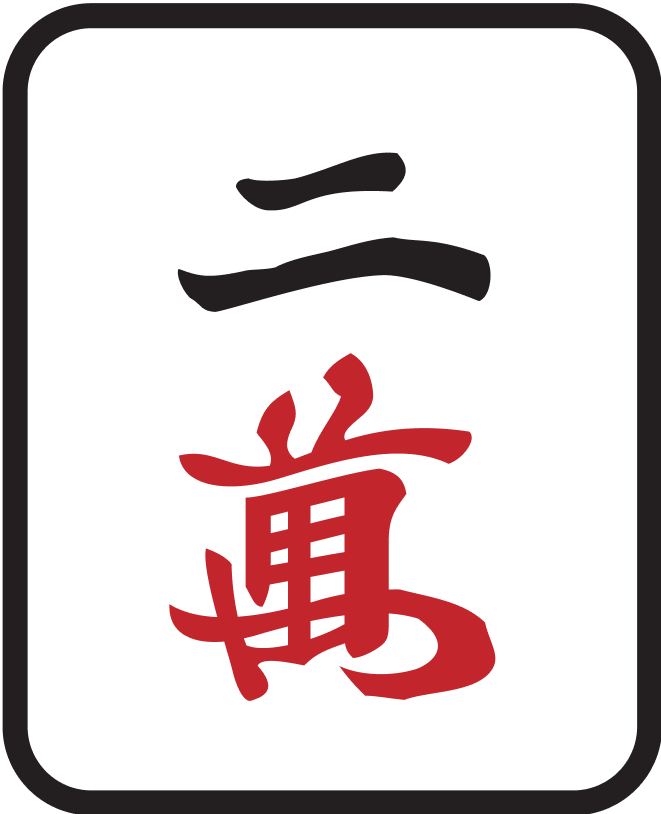  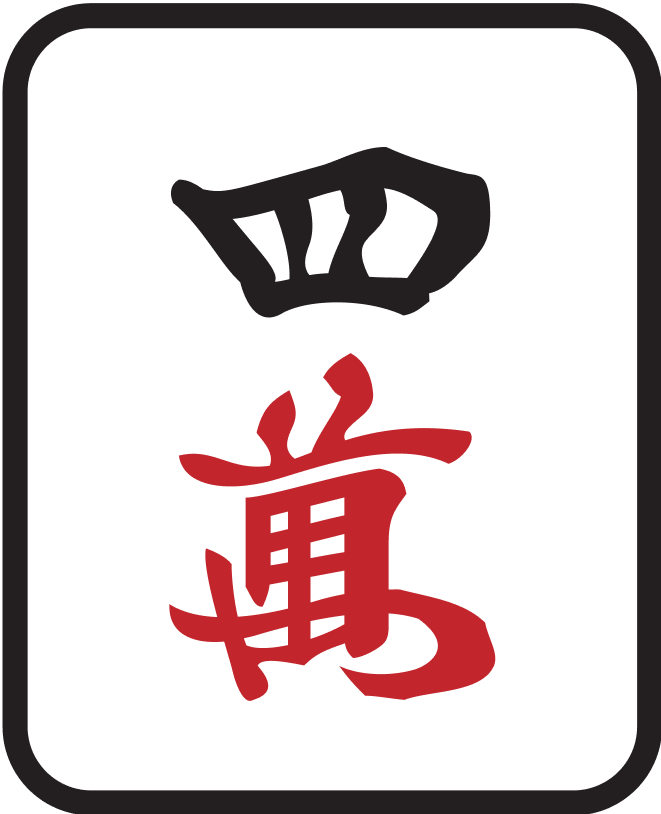 | - | Complete set |
| 2 types, 8 tiles | High |
| 2 types, 8 tiles | High |
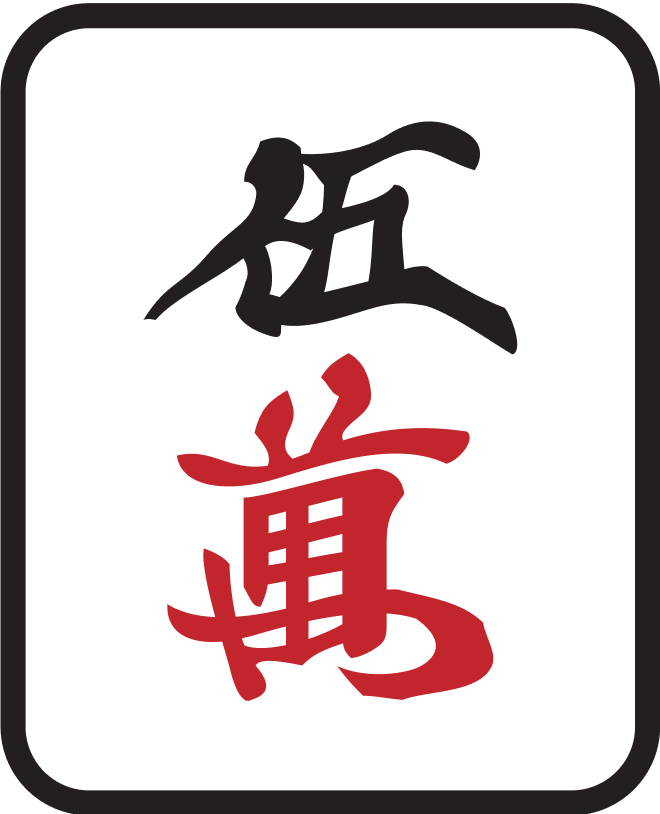 | 2 types, 8 tiles | High |
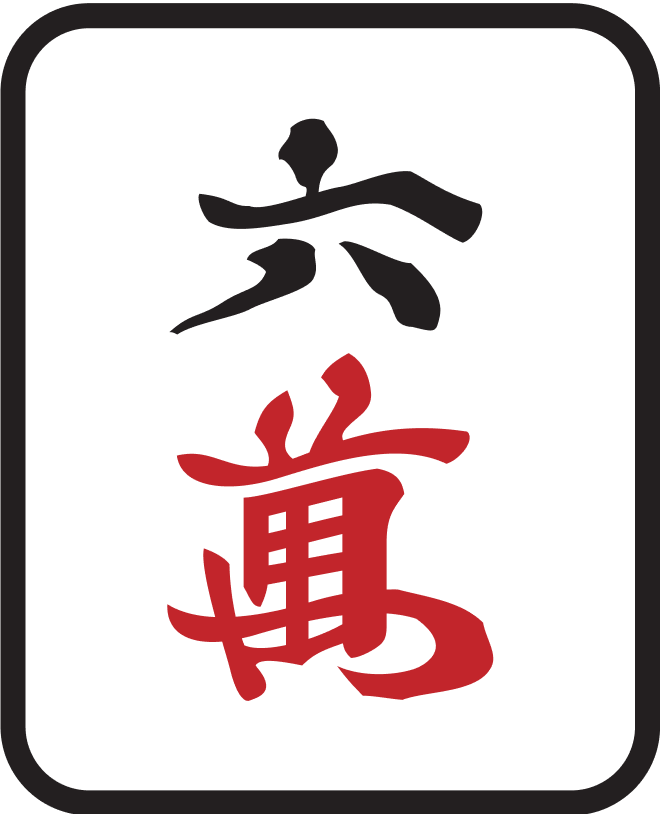 | 4 types, 16 tiles | Very high |
Balance of Tile Efficiency and Points
Priority by Situation
| Situation | Efficiency | Points | Reason |
|---|---|---|---|
| Early | Priority | Consider | Tenpai first |
| Mid | Important | Important | Balance |
| Late | Consider | Priority | Remaining tiles |
Yaku and Tile Efficiency
Maintain efficiency while considering yaku:
1. Tanyao system → Wide acceptance
2. Toitoi system → Narrow acceptance
3. Chiitoitsu → Special efficiency
Improving Tile Efficiency
Practice for Beginners
-
Identify isolated tiles
- Find isolated tiles first
- Practice discarding in order
-
Calculate acceptance
- Start with simple shapes
- Build counting habit
-
Apply in practice
- Think before discarding
- Gradually increase speed
Advanced Tile Efficiency
Advanced players also consider:
1. Information from opponent discards
2. Remaining tiles in wall
3. Balance with point situation
4. Efficiency combined with defense
Pitfalls of Tile Efficiency
Cases Requiring Caution
-
Handling dora
- Don’t keep just because it’s dora
- Discard isolated dora early
-
Handling yakuhai
- Isolated yakuhai has low value
- Consider after becoming pair
-
Late game efficiency
- Consider remaining tile count
- Prioritize genbutsu acceptance
Conclusion
Tile efficiency is the most important concept in mahjong fundamentals, the thinking for efficiently reaching tenpai. Beginners should start by discarding isolated tiles early and being conscious of acceptance tile count. Mastering tile efficiency enables reaching tenpai faster and more reliably, ultimately improving win rate. Keep in mind that “mahjong is a game of probability,” and practice discards conscious of tile efficiency.