What is Penchan Machi (Edge Wait)?
Penchan machi (辺張待ち) is a tenpai pattern waiting for  with
with 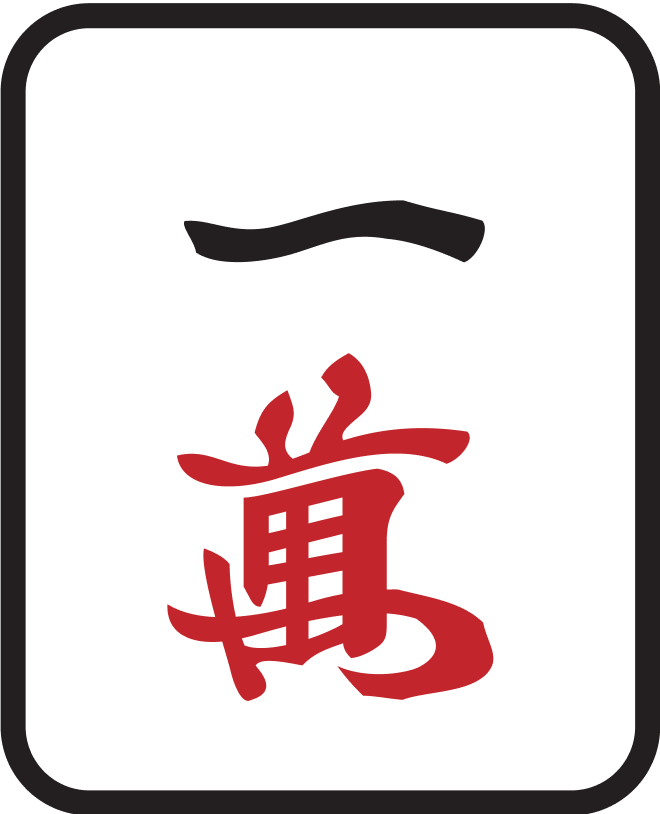
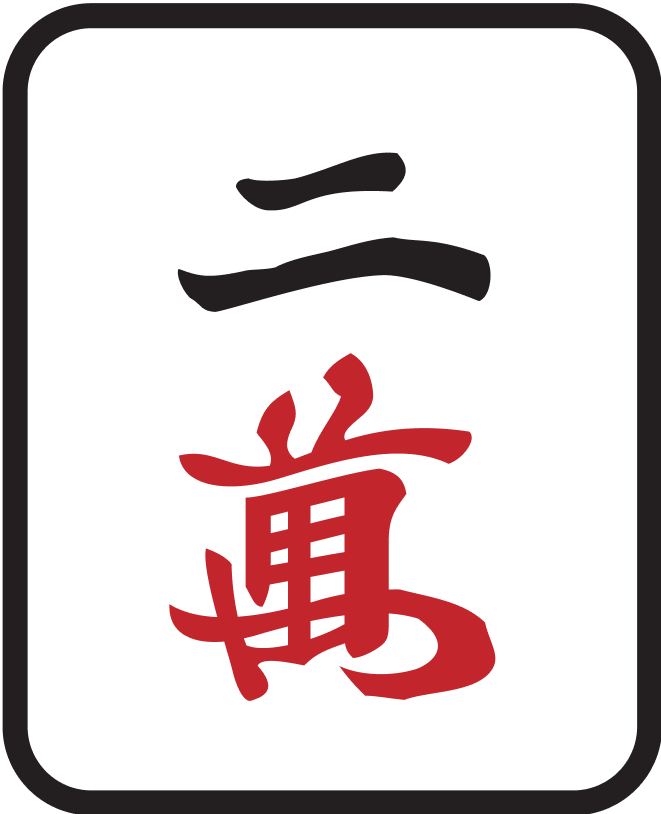 , or waiting for
 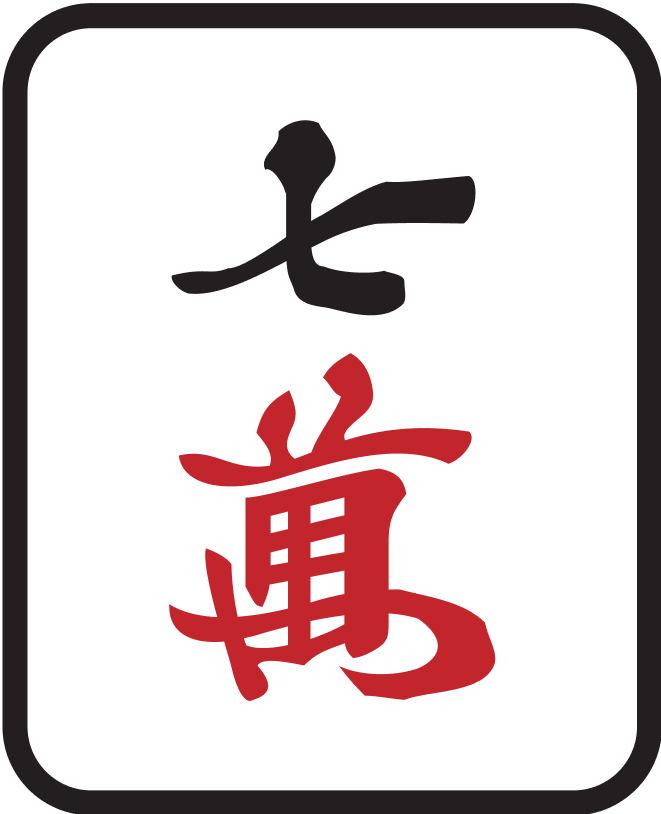 with
with 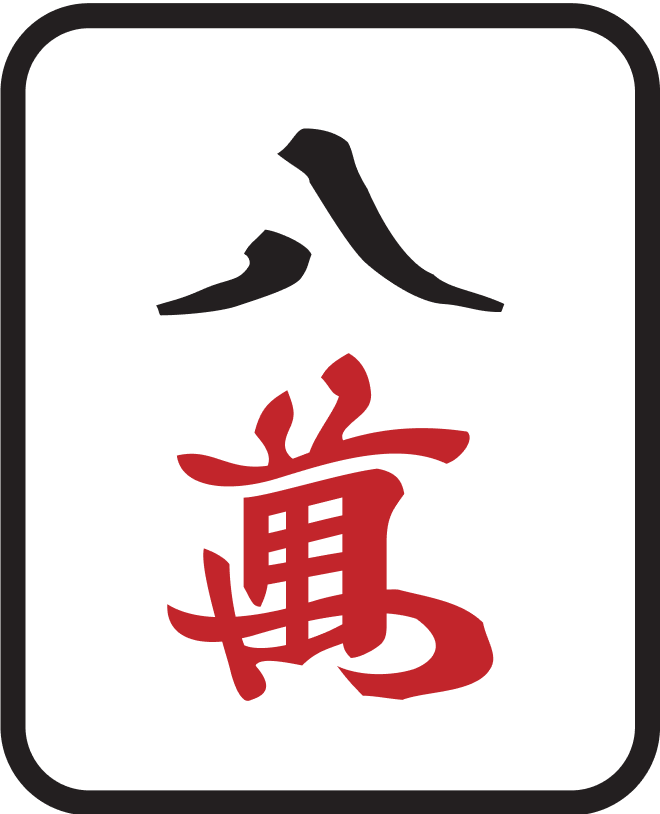
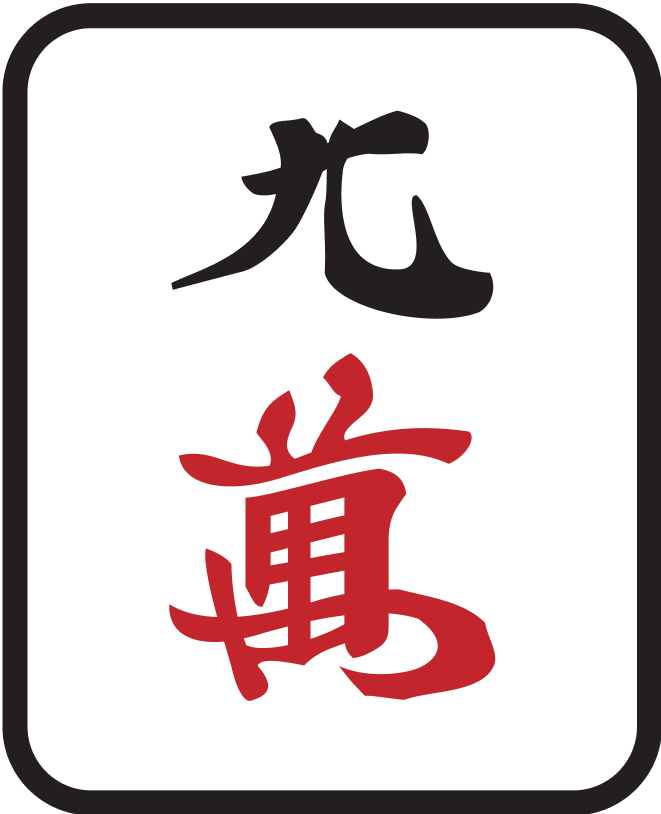 . It refers to forms at the edges of numbered tiles (1-2 or 8-9), waiting for the outside tile.
This is one of the most inefficient waits and representative of “bad waits” (gukei). Also called “pen3” (pen-san) or “pen7” (pen-chi).
Detailed Explanation of Penchan Machi
Types of Penchan Machi
| Hand pattern | Waiting tile | Acceptance count | Name |
|---|---|---|---|
| | 4 tiles | Pen3 |
| | 4 tiles | Pen7 |
  |  | 4 tiles | Pen3 |
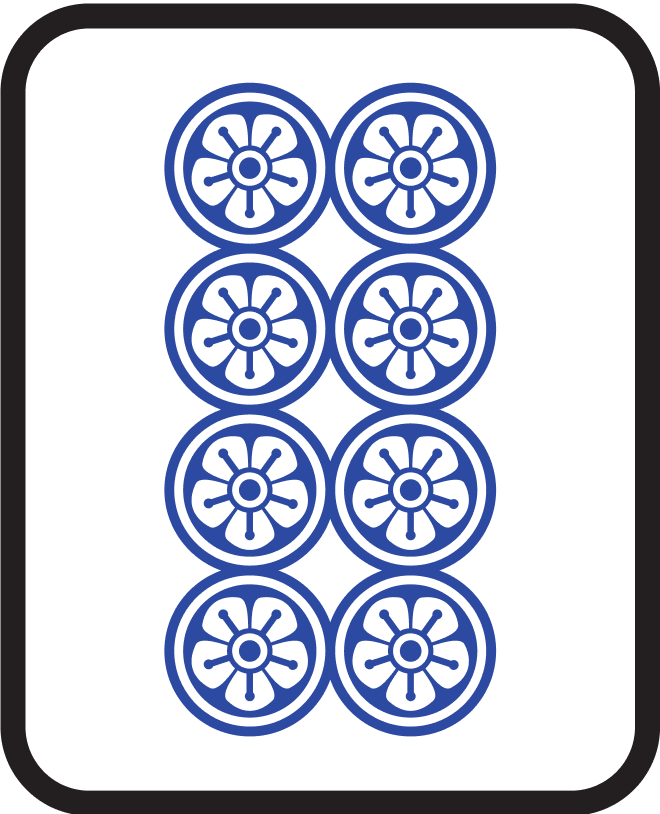 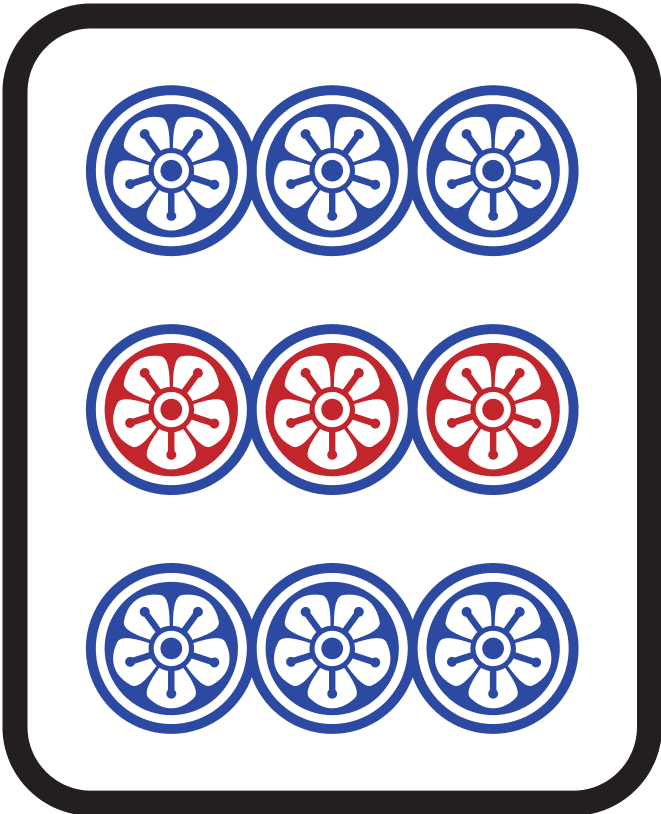 | 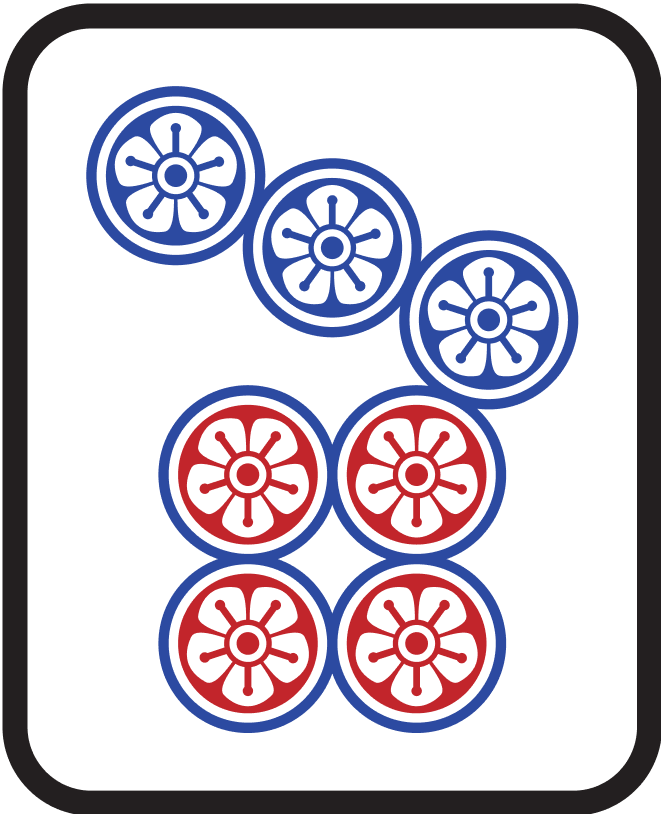 | 4 tiles | Pen7 |
 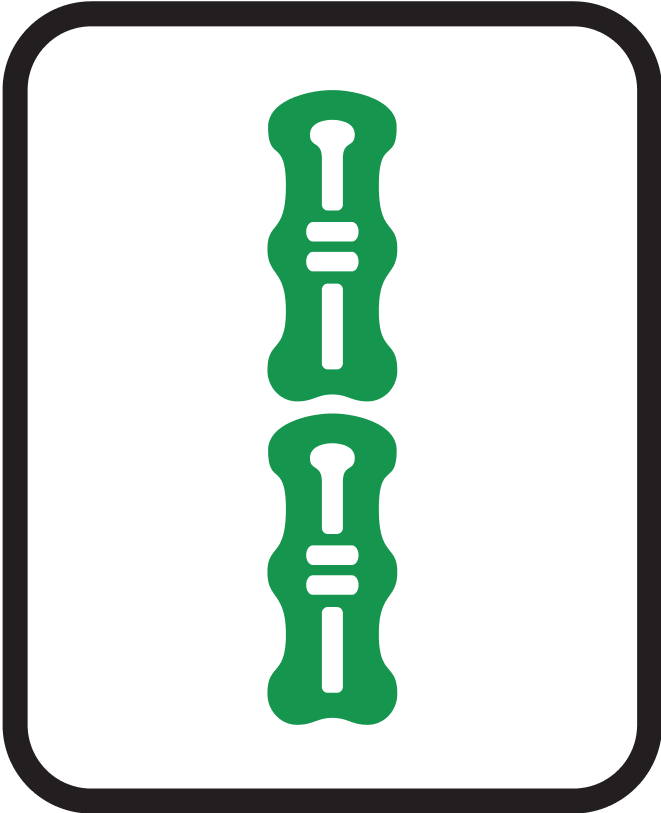 | 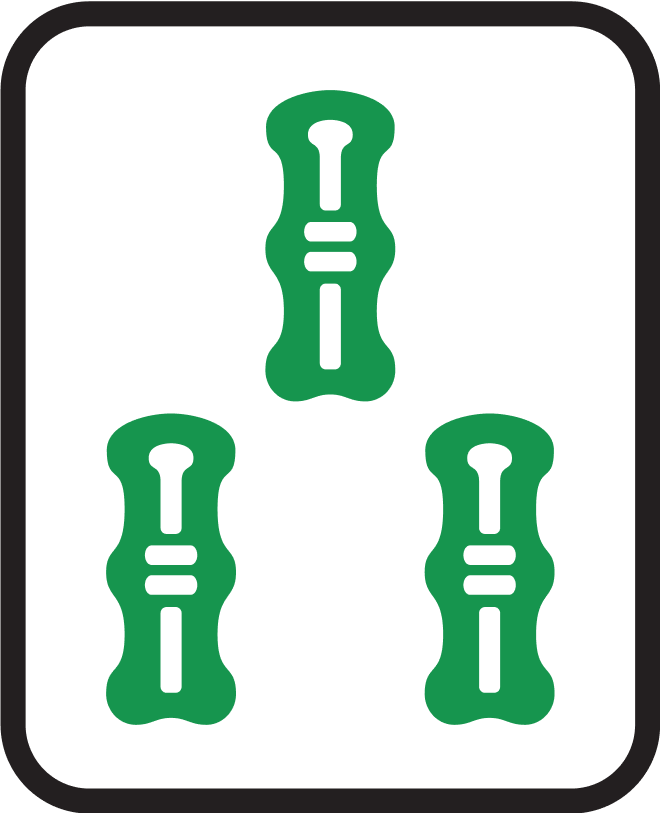 | 4 tiles | Pen3 |
 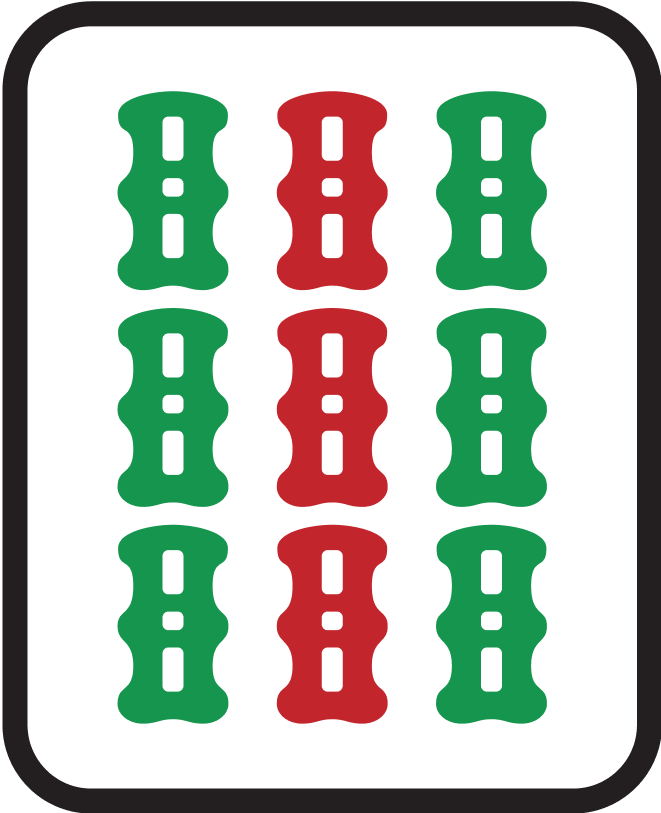 | 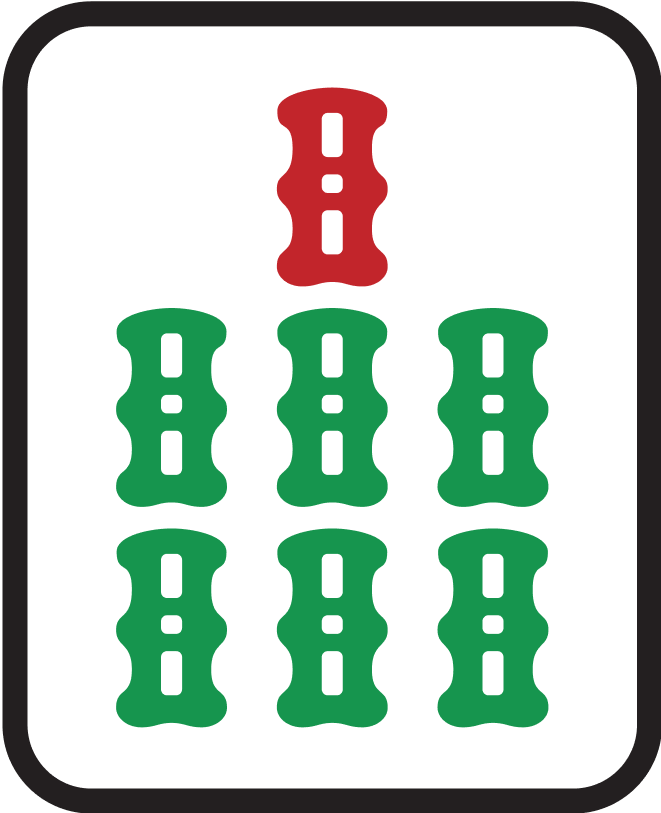 | 4 tiles | Pen7 |
Penchan Machi Characteristics
| Feature | Detail |
|---|---|
| Acceptance count | 4 tiles (minimum class) |
| Change possibility | Very limited |
| Readability | Relatively hard to read |
| Occurrence | Common among bad waits |
Usage Examples
Real Game Situations
Example 1: Tenpai Declaration
"Tenpai on pen3... tough"
":8m::9m: pen7 wait, this is harsh"
Example 2: Riichi Judgment
"Penchan but 3 dora, so riichi"
"Cheap penchan, definitely dama"
Example 3: Hand Building Regret
"Why did I accept into penchan..."
"Keeping penchan was a mistake"
Problems with Penchan Machi
Why is Penchan the Worst?
| Problem | Reason |
|---|---|
| Inefficient | Only accepts 4 tiles |
| Hard to change | Far from good wait |
| 3 and 7 get used | Become part of ryanmen taatsu |
| Dead end | No development potential |
Specific Problems
- is used in ,
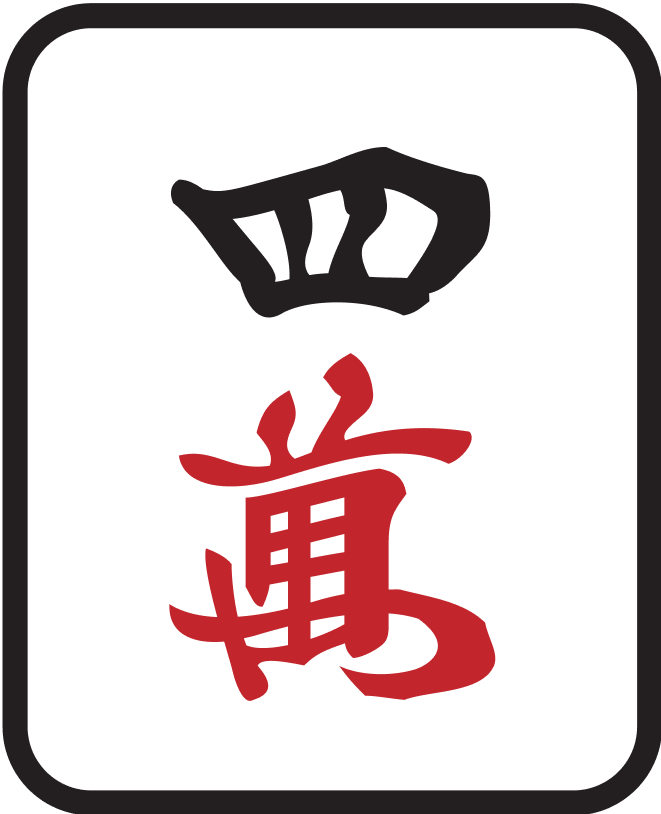 ,
, 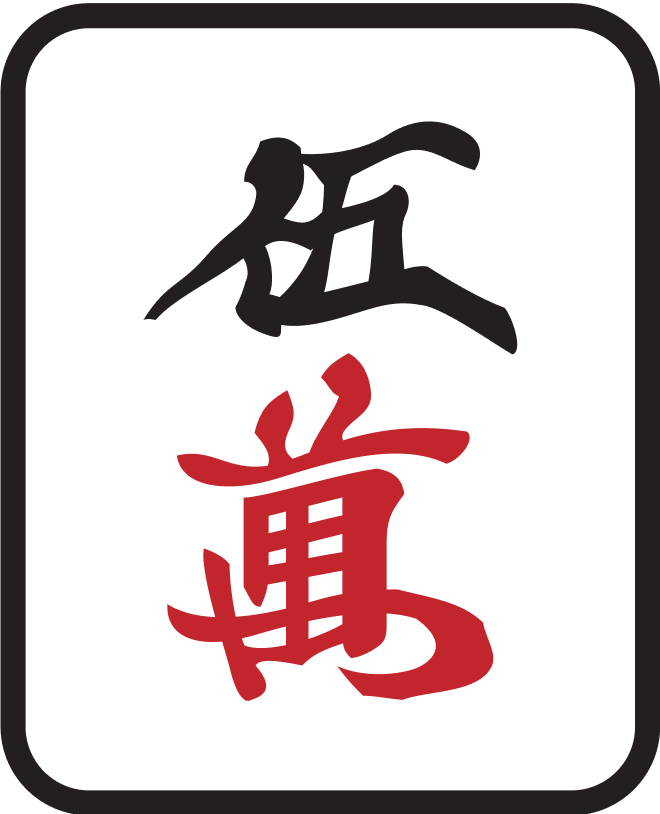
- is used in
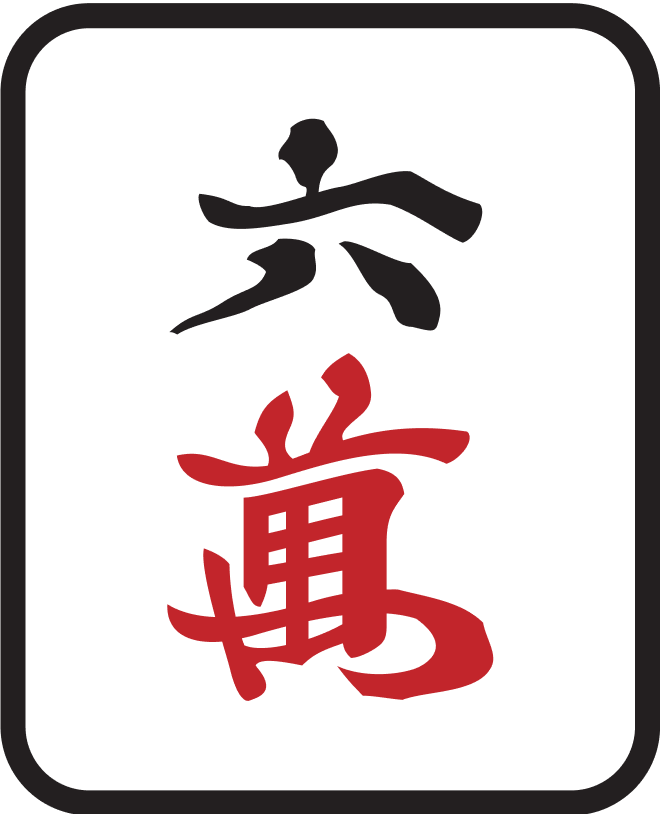 , ,
, , - and are easily discarded early
Related Terms
- Ryanmen Machi: Most efficient wait
- Kanchan Machi: Middle wait, bad form
- Gukei: General term for bad waits
- Penchan Taatsu: , forms
- Pen3/Pen7: Colloquial for penchan
Common Mistakes and Points to Note
Points Beginners Often Mistake
-
or are not penchan
- These are ryanmen machi
- Only and are penchan
-
Keeping penchan too long
- Should handle early
- Don’t drag to the end
-
Missing all 4 visible
- All four or already visible
- Effectively formal tenpai
- All four
-
Expecting change too much
- Drawing with still becomes kanchan
- Not fundamental solution
- Drawing
Countermeasures for Penchan Machi
Early Game: Handle Early
If :1m::2m: in starting hand
→ Discard as unnecessary early
Mid Game: Prioritize Other Waits
If you have :1m::2m: and :3p::5p:
→ Keep :3p::5p: (kanchan), discard :1m::2m:
Late Game: Situational Judgment
| Situation | Judgment |
|---|---|
| High points | Take tenpai even on penchan |
| Cheap hand | Wait for good wait change |
| Point status | If necessary, even penchan |
Riichi Judgment on Penchan Machi
When Riichi Has Value
- Mangan or higher hand
- Dealer’s consecutive wins at stake
- Last round conditional battle
- Many dora or yaku
When Dama is Better
- About 1000 point cheap hand
- Still early turns
- Opponent has riichi
- Defense-focused situation
Special Use of Penchan Machi
Defensive Penchan Machi
Against opponent's riichi
→ Penchan wait with safe tiles :8m::9m:
Can defend while aiming for win
Penchan in Junchan
Junchan requires :1m::2m:, :8m::9m:
→ Penchan has value
Penchan Machi Statistics
Win Rate
- Ryanmen machi: About 40%
- Kanchan machi: About 20%
- Penchan machi: About 18%
- Tanki machi: About 15%
Penchan machi is statistically one of the hardest waits to win with.
Conclusion
Penchan machi, waiting for with or with , is the most inefficient wait pattern. With few acceptance tiles and little expectation of good wait changes, beginners should be careful not to create penchan taatsu from the starting hand. However, judgment to gamble even on penchan is necessary with high points or special situations. Learn the proper relationship with penchan machi and aim for more efficient mahjong.