What is Ryanmen Machi (Open Wait)?
Ryanmen machi (両面待ち) is a tenpai pattern that waits for 2 types of tiles on both ends of a sequence. For example, holding 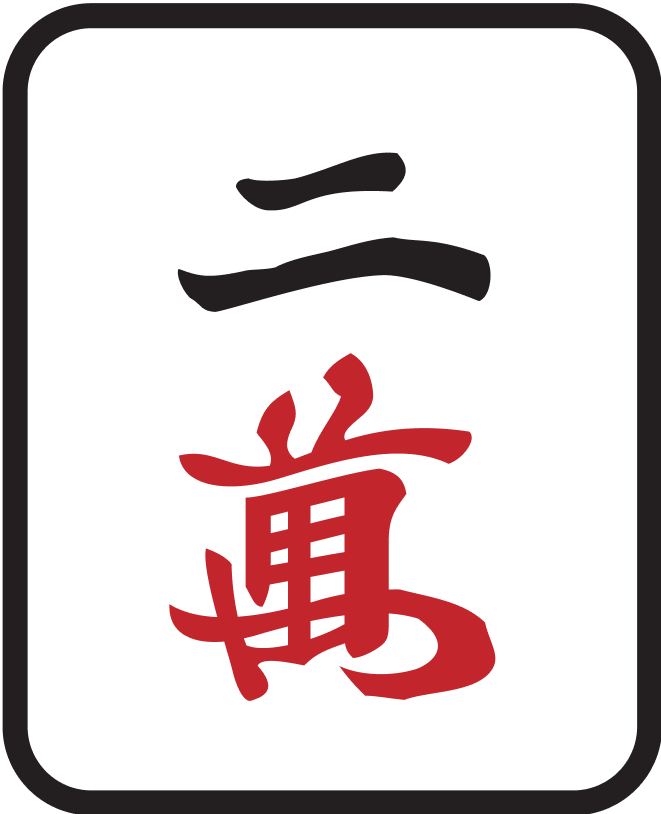
 and waiting for
 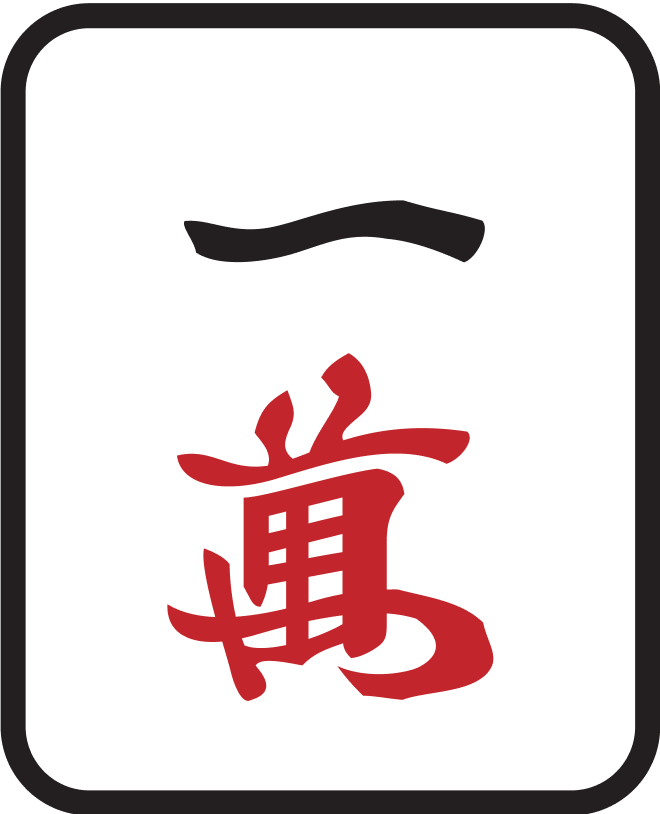 or
or 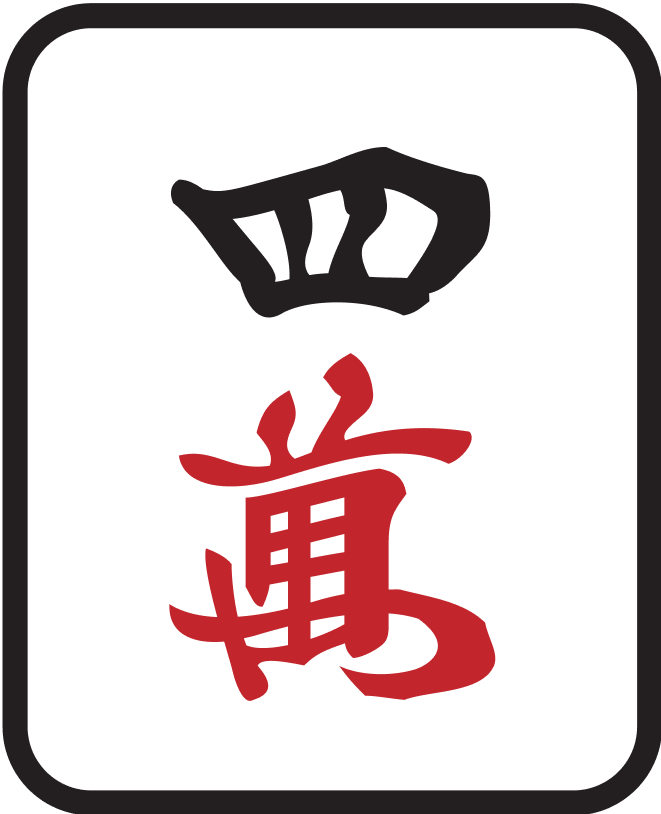 , or holding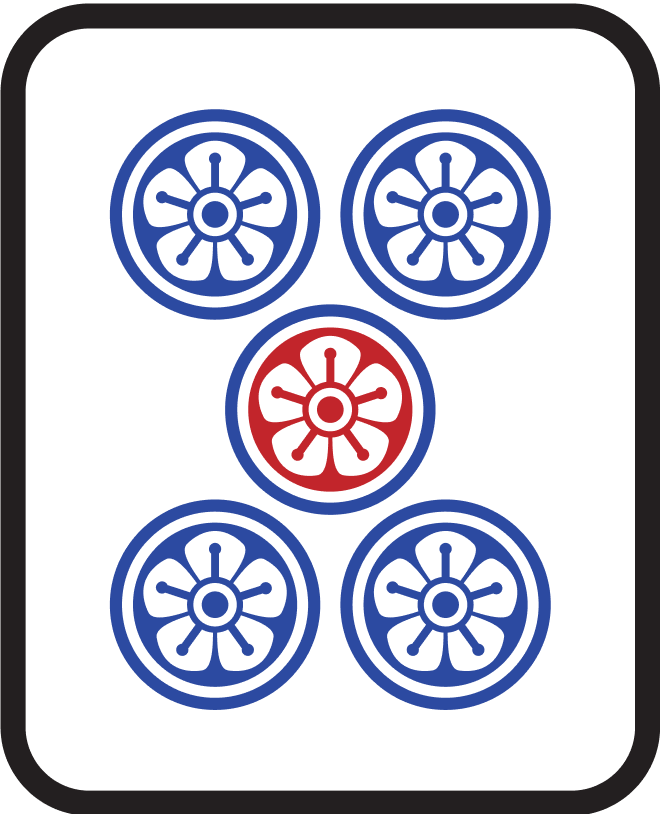
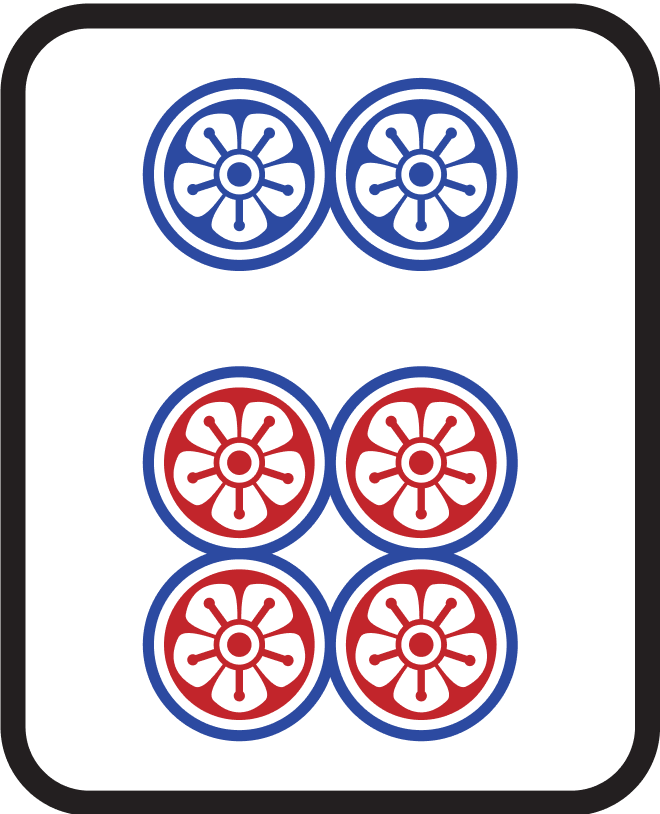 and waiting for
 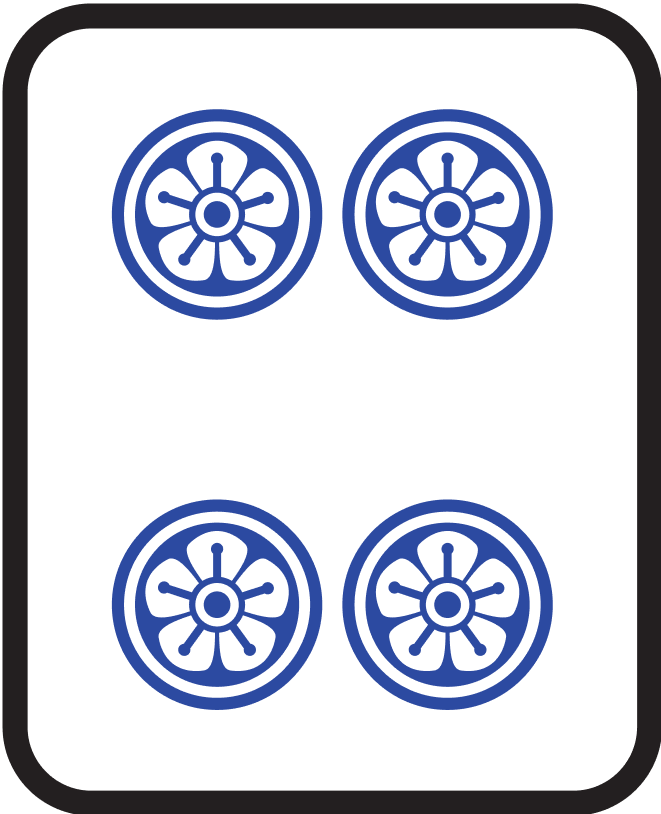 or
or 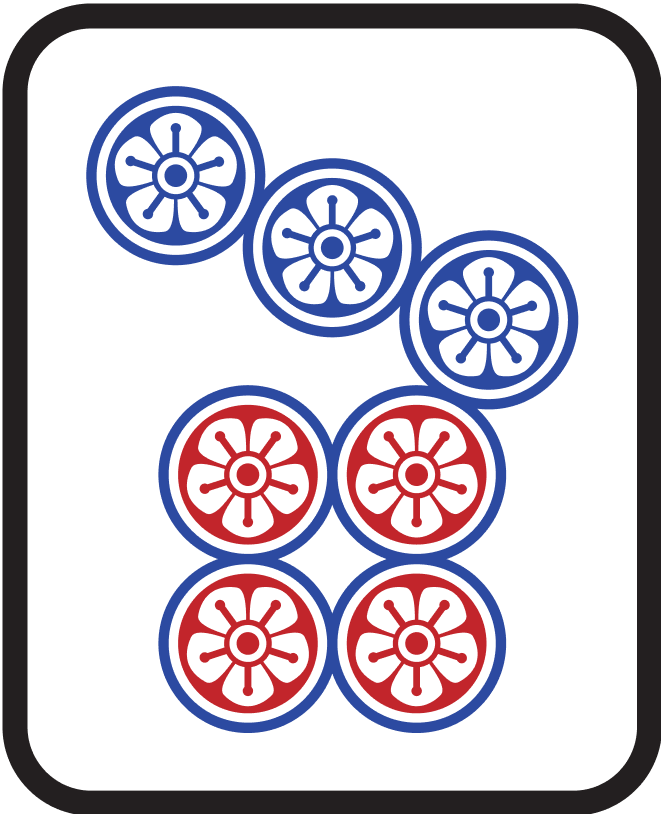 .
.
This is the most fundamental and efficient wait pattern, representing “good waits” (ryokei) and the first wait beginners should learn.
Detailed Explanation of Ryanmen Machi
Types of Ryanmen Machi
| Hand pattern | Waiting tiles | Acceptance count |
|---|---|---|
| | 8 tiles |
| 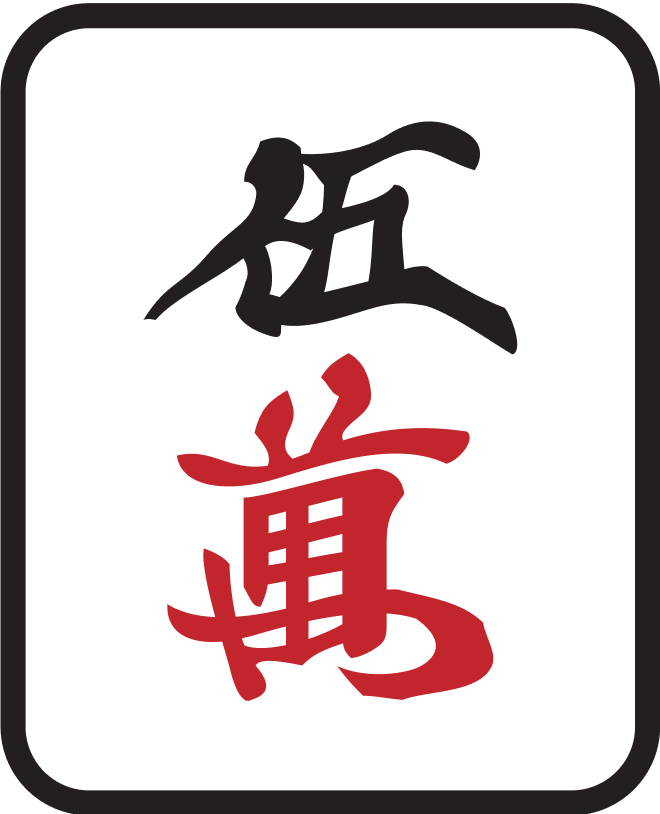 | 8 tiles |
| 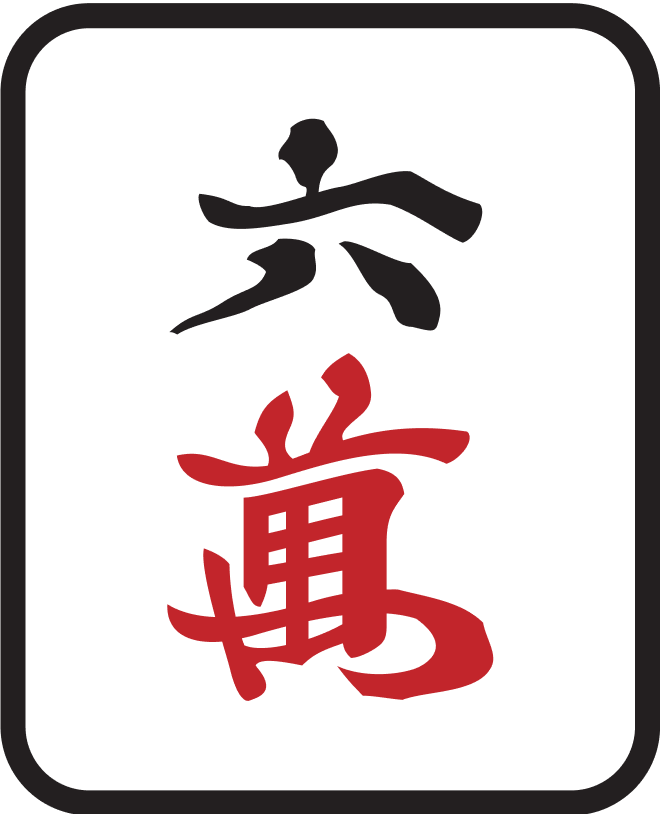 | 8 tiles |
| 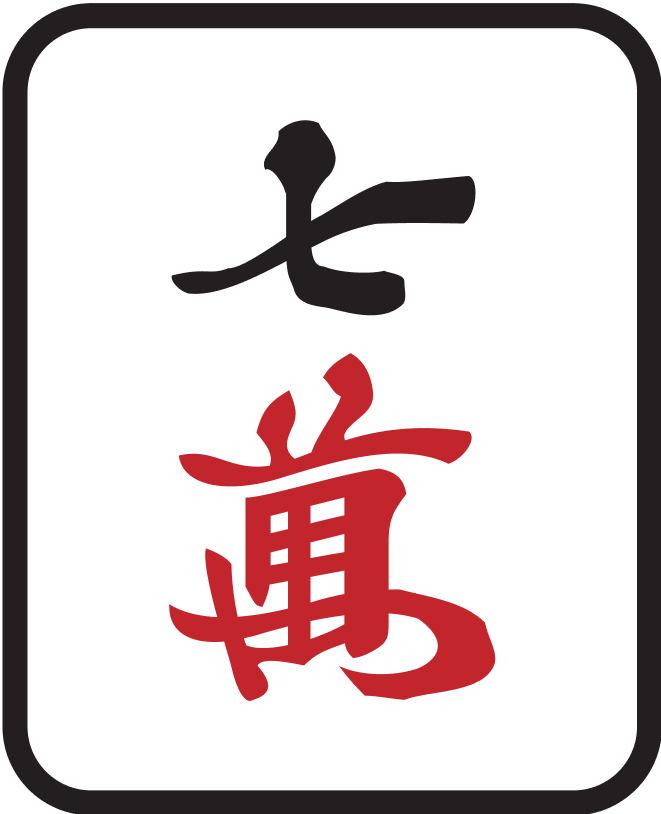 | 8 tiles |
| 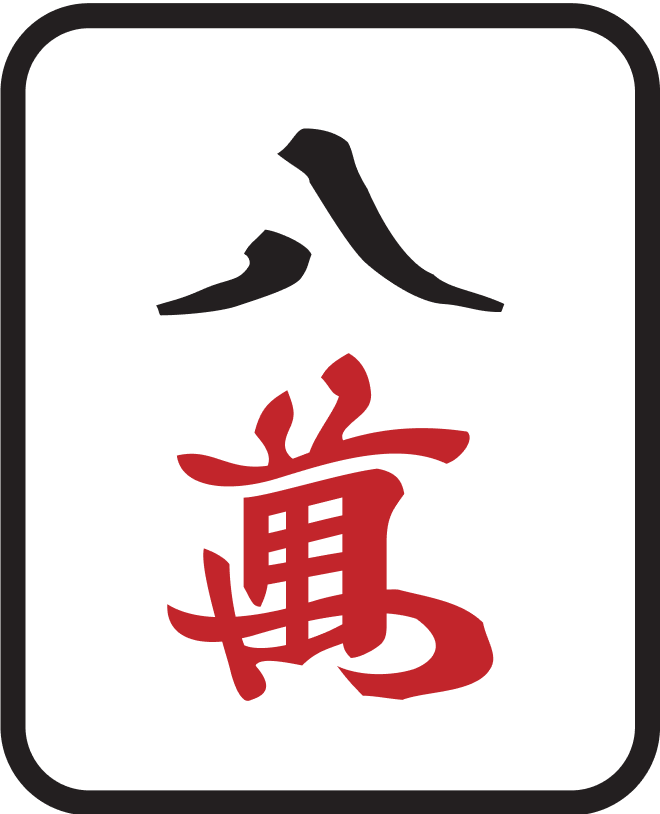 | 8 tiles |
| 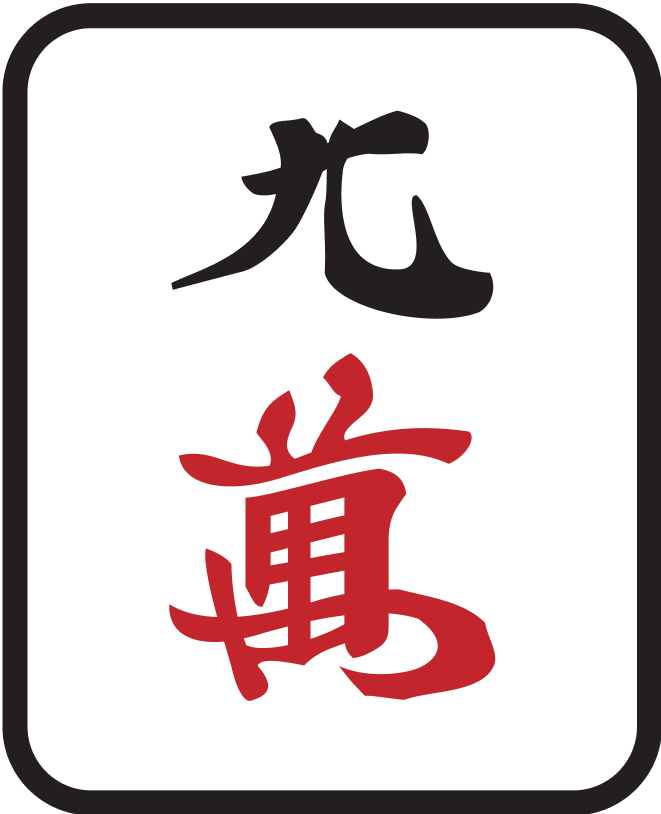 | 8 tiles |
Ryanmen Machi Characteristics
| Feature | Detail |
|---|---|
| Acceptance count | 8 tiles (2 types × 4 each) |
| Efficiency | Highest among single wait patterns |
| Pinfu requirement | Ryanmen machi is mandatory |
| Occurrence | Most common wait pattern |
Usage Examples
Real Game Situations
Example 1: Tenpai Declaration
"Riichi with ryanmen machi!"
"It's ryanmen, should come soon"
Example 2: Hand Building Evaluation
"Want to make final form ryanmen machi"
"Changed from bad wait to ryanmen"
Example 3: Wait Explanation
"Tenpai on :1m::4m: ryanmen"
"Two-sided wait with ryanmen-ryanmen"
Comparison with Other Waits
Wait Efficiency Comparison Table
| Wait type | Acceptance count | Efficiency | Classification |
|---|---|---|---|
| Ryanmen machi | 8 tiles | ★★★★★ | Good wait |
| Kanchan machi | 4 tiles | ★★☆☆☆ | Bad wait |
| Penchan machi | 4 tiles | ★★☆☆☆ | Bad wait |
| Shanpon machi | 4 tiles | ★★☆☆☆ | Bad wait |
| Tanki machi | 3 tiles | ★☆☆☆☆ | Bad wait |
How to Build Ryanmen Machi
Basic Process
-
Create ryanmen taatsu
Draw :3m: + :4m: → :3m::4m: (ryanmen taatsu) -
Complete 4 sets
Collect other sets -
Ryanmen tenpai
:3m::4m: + completed form → waiting :2m::5m:
Changing from Bad Wait to Ryanmen
Kanchan machi: :2m::4m: → Draw :3m:
→ Ryanmen machi: :2m::3m::4m: wait :5m: (changes to :2m::5m: wait)
Related Terms
- Ryanmen Taatsu: Precursor to ryanmen machi
- Ryokei: General term for good waits
- Gukei: General term for bad waits
- Pinfu: Yaku requiring ryanmen machi
- Tamen Machi: 3+ type waits
Common Mistakes and Points to Note
Points Beginners Often Mistake
-
or are not ryanmen
- → wait is penchan machi
- Only through become ryanmen
-
Furiten on one side
- wait with in furiten
- Effectively becomes kanchan waiting only
-
Wall influence
- wait with all four visible
- Effectively becomes tanki waiting only
-
Ryanmen after calling
- Does not become pinfu
- Need to confirm yaku
Tactics Using Ryanmen Machi
Value of Riichi
Riichi with ryanmen machi offers:
- High win rate
- Expectation of ippatsu and ura dora
- Pressure on opponents
Reading Opponent’s Ryanmen
Reading opponent’s ryanmen wait:
- Suji theory: 147, 258, 369
- Ura-suji: More advanced reading
- Reading using walls
Advanced Ryanmen Forms
Sanmen Machi (Three-Sided Wait)
:2m::3m::4m::5m::6m: → waiting :1m::4m::7m:Compound form of ryanmen waits
Nobetan
:1m::2m::3m::4m: → :1m::4m: tanki waitForm evolved from ryanmen
Importance of Ryanmen Machi
Why is Ryanmen Fundamental?
-
Probability advantage
- 8 tile acceptance
- About 2× efficiency
-
Basic tactics
- Guideline for hand building
- Standard for riichi judgment
-
Yaku compatibility
- Mandatory for pinfu
- Easy combination with other yaku
Ryanmen Machi Statistics
Professional Wait Selection
- Ryanmen selection rate: About 70%
- Win rate with good waits: About 40%
- Win rate with bad waits: About 20%
Conclusion
Ryanmen machi is the most fundamental and important wait pattern in mahjong. With the maximum acceptance of 8 tiles, it directly leads to pinfu, a basic yaku. For beginners, thinking first about creating ryanmen machi and aiming for good waits over bad waits is the shortcut to improvement. Mastering ryanmen machi is the first step toward playing efficient mahjong.