What is Suji (Intervals)?
Suji (筋) refers to tile combinations related to ryanmen waits in mahjong. Specifically, it indicates relationships of “1-4-7,” “2-5-8,” and “3-6-9,” which is an important theory for reading opponent waits during defense.
For example, if 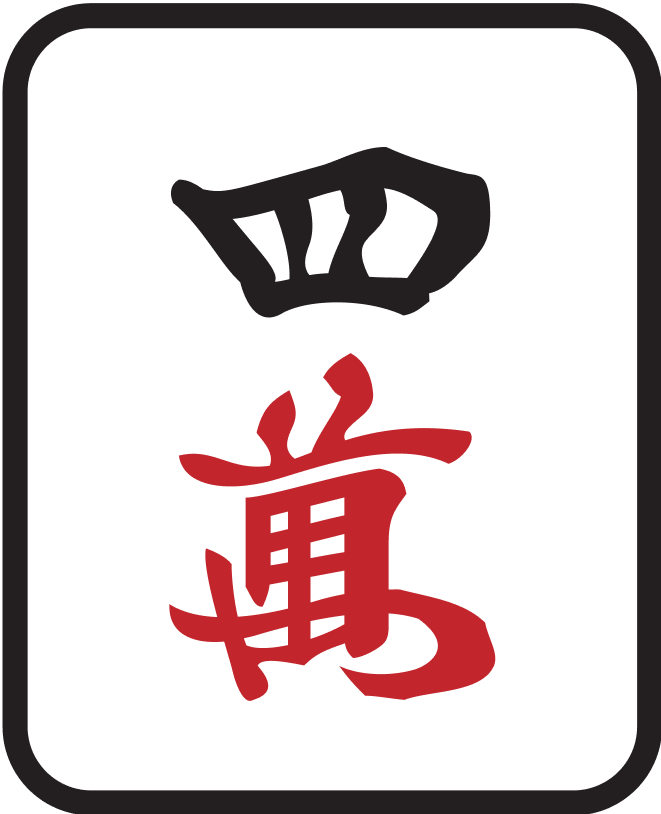 is discarded, the ryanmen waits
 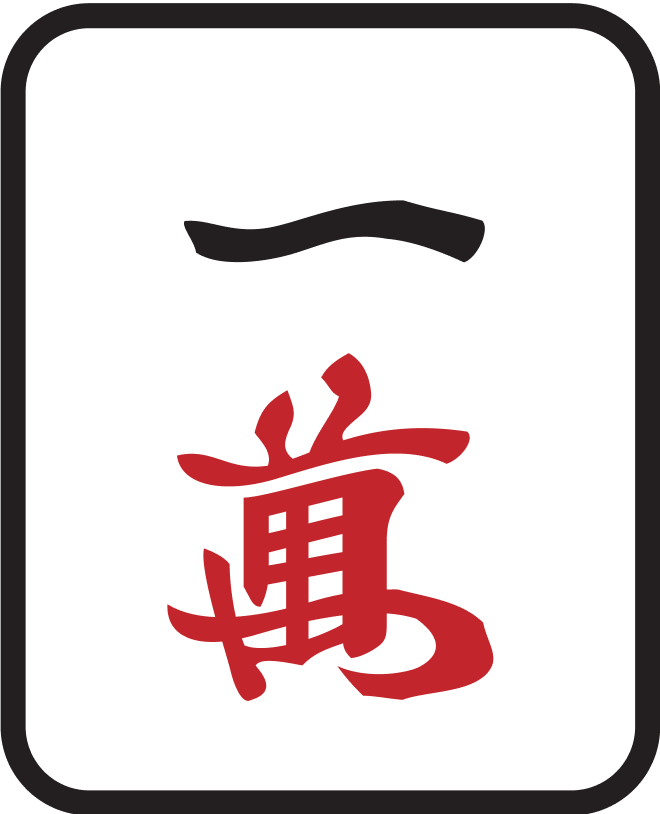 (waiting
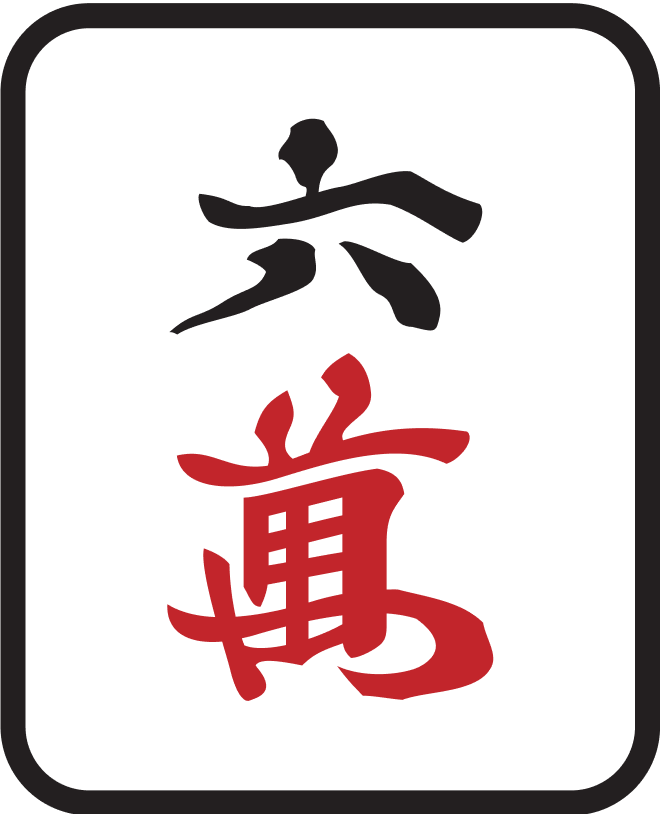 ) and
) and 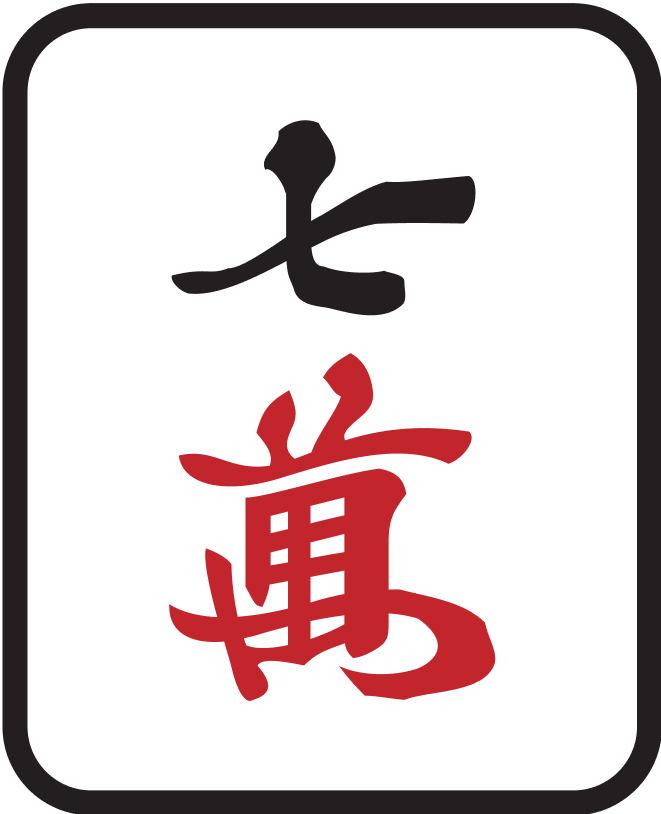 (waiting ) are negated, making and relatively safe.
Detailed Explanation of Suji
Six Types of Suji
| Suji name | Tile combination | Center tile |
|---|---|---|
| 1-4-7 | 1・4・7 | 4 |
| 2-5-8 | 2・5・8 | 5 |
| 3-6-9 | 3・6・9 | 6 |
※Exists for man, pin, and sou
Suji Principle
When :4m: is discarded:
- :2m::3m: ryanmen → waiting :1m::4m: (won't deal in on :4m:)
- :5m::6m: ryanmen → waiting :4m::7m: (won't deal in on :4m:)

Conclusion: :1m: and :7m: won't deal in on ryanmen wait
Suji Safety Levels
| Suji type | Safety | Reason |
|---|---|---|
| Ryansuji (both) | High | Suji from both sides |
| Katasuji (one side) | Medium | Suji from one side only |
| Musuji (none) | Low | No suji |
Usage Examples
Real Game Situations
Example 1: Using in Defense
":4m: was discarded, so :1m::7m: is suji"
"Riichi on :5p:, so :2p::8p: is suji"
Example 2: Safety Judgment
"This :3s: is musuji, so dangerous"
":6m: is ryansuji, relatively safe"
Example 3: Suji Reading Limitations
"Thought it was suji but dealt in..."
"Relying on suji is risky, genbutsu is certain"
Types and Reading of Suji
Omote-suji (Front Suji)
Most basic suji:
- Read from riichi declaration tile
- Read from discards
- Highest reliability
Ura-suji (Back Suji)
When :4m: is discarded:
Front suji: :1m::7m:
Back suji: :2m::5m: (conversely dangerous)
Aida Yonken (Between Four)
When :1m: and :5m: are discarded:
→ :2m::3m::4m: relatively safe
Related Terms
- Genbutsu: 100% safe tiles
- Kabe: Reading from 4 visible tiles
- Betaori: Complete fold defense
- Musuji: Tiles without suji
- Ryanmen Machi: Wait underlying suji
Common Mistakes and Points to Note
Points Beginners Often Mistake
-
Overreliance on suji
- Suji is not 100% safe
- Ineffective against kanchan, penchan, tanki
-
Back suji danger
- Opposite of front suji is dangerous
- Especially early discards
-
Pre-riichi suji
- Suji from pre-riichi discards invalid
- Calculate from after riichi
-
Miscounting suji
- 1-4-7, 2-5-8, 3-6-9
- Easy to mistake until familiar
Defense Tactics Using Suji
Defense Priority
- Genbutsu (100% safe)
- Honors (especially fresh honor tiles)
- Suji (ryansuji > katasuji)
- Terminals (1・9)
- Musuji (most dangerous)
Suji Reliability
| Situation | Reliability | Reason |
|---|---|---|
| Early game suji | Low | Hand still fluid |
| Riichi tile suji | High | High ryanmen possibility |
| Late game suji | Medium | Bad waits increase |
Waits Where Suji Doesn’t Work
Suji Theory Limitations
| Wait type | Suji effectiveness |
|---|---|
| Ryanmen machi | ◎ (Effective) |
| Kanchan machi | × (Ineffective) |
| Penchan machi | × (Ineffective) |
| Tanki machi | × (Ineffective) |
| Shanpon machi | × (Ineffective) |
Advanced Suji Techniques
Morohikkake (Double Trap)
Riichi player discarded :5m:
→ Normally :2m::8m: is safe suji
→ But waiting :4m::7m: (targeting :8m:)
Detecting Suji Traps
- Early riichi often honest ryanmen
- Late riichi may be irregular waits
- Read discard flow
Suji Statistics
Suji Safety Data
- Ryansuji safety: About 85%
- Katasuji safety: About 70%
- Musuji danger: About 40% are winning tiles
Conclusion
Suji is a defensive theory based on ryanmen waits, a fundamental technique for reading opponent waits. Understanding the 1-4-7, 2-5-8, 3-6-9 relationships allows inferring safe tiles from discards. However, suji is not 100% safe and doesn’t work against kanchan or tanki waits. Beginners should learn the suji basics and use them combined with genbutsu for safer defense.