What is Tamen-machi (Multiple Waits)?
Tamen-machi (多面待ち) in mahjong refers to tenpai forms that can win with 3 or more tile types. Also called “tamen-chan” (多面張), it’s an advantageous form with more winning tiles than regular ryanmen or tanki waits, making it easier to complete your hand.
While difficult for beginners to identify, mastering multiple waits significantly improves your win rate and dramatically elevates your mahjong skill level.
Detailed Explanation of Tamen-machi
Classification of Multiple Waits
| Type | Wait types | Example | Features |
|---|---|---|---|
| Ryanmen | 2 types | 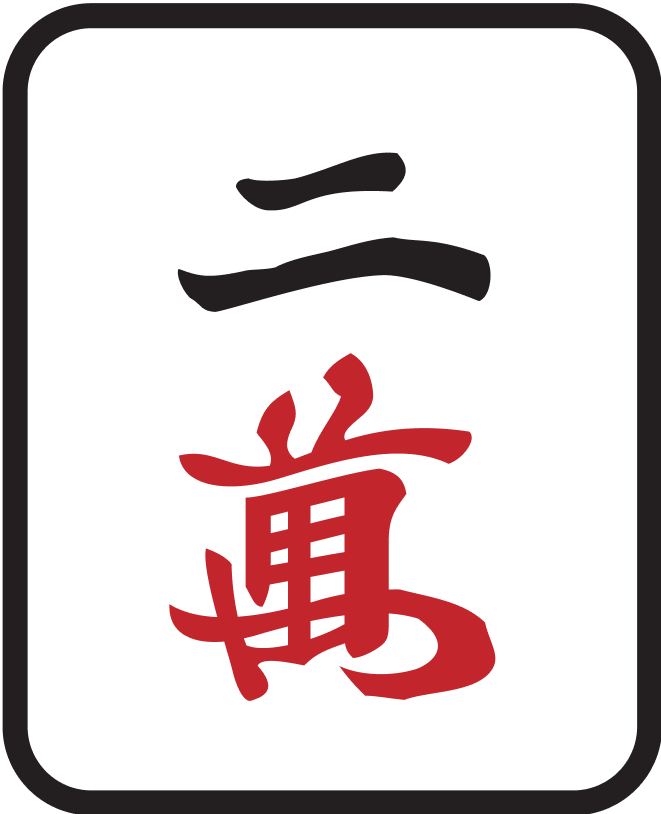  waiting waiting 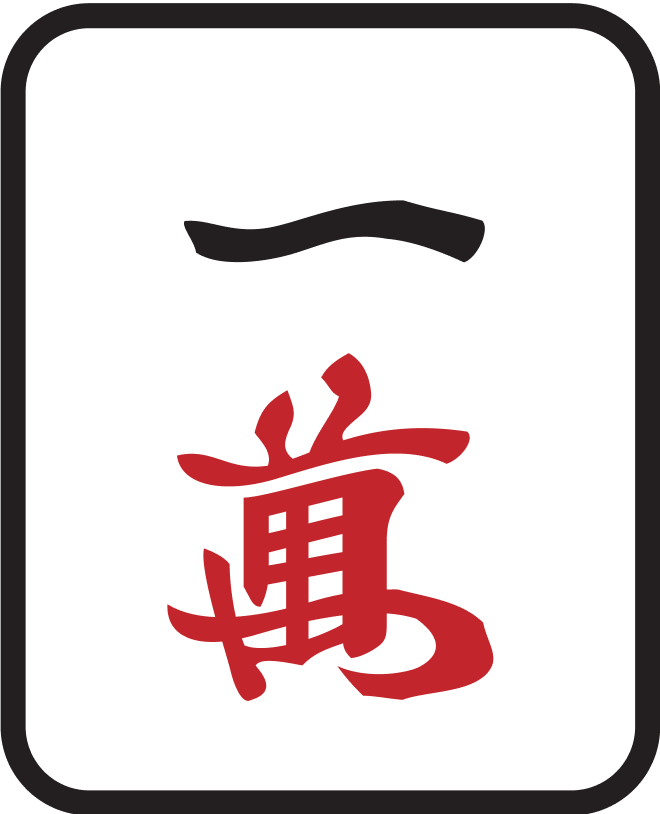 / /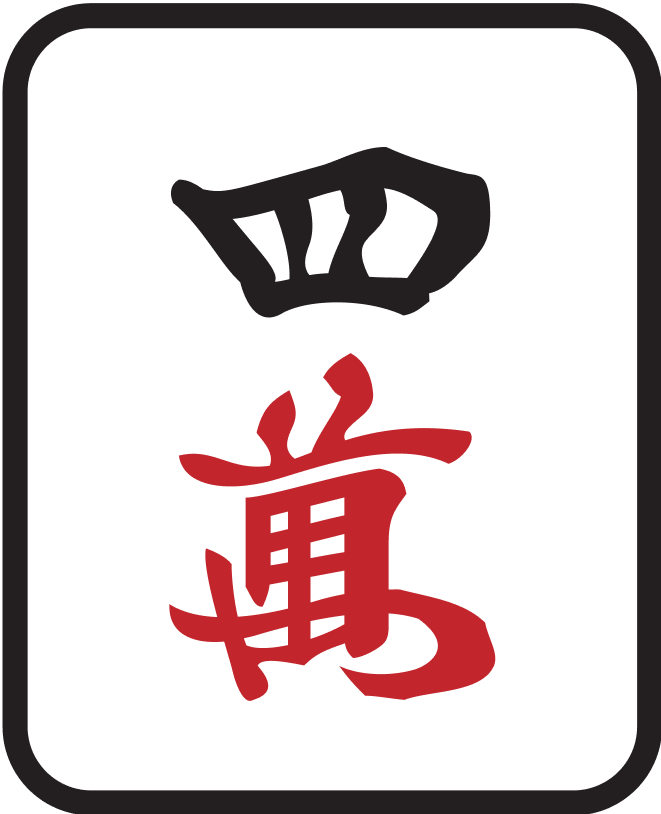 | Basic form (not multiple) |
| 3-sided wait | 3 types | 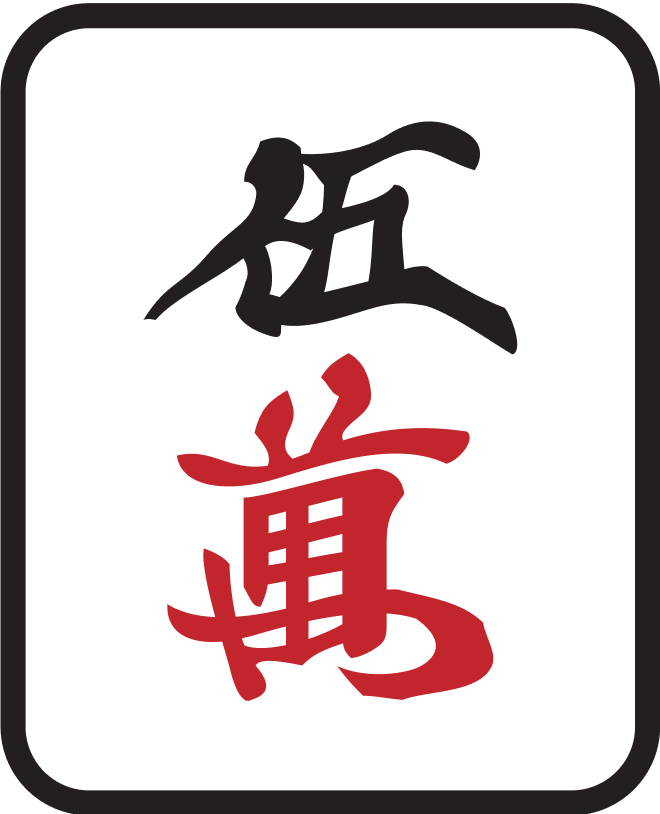 waiting // waiting //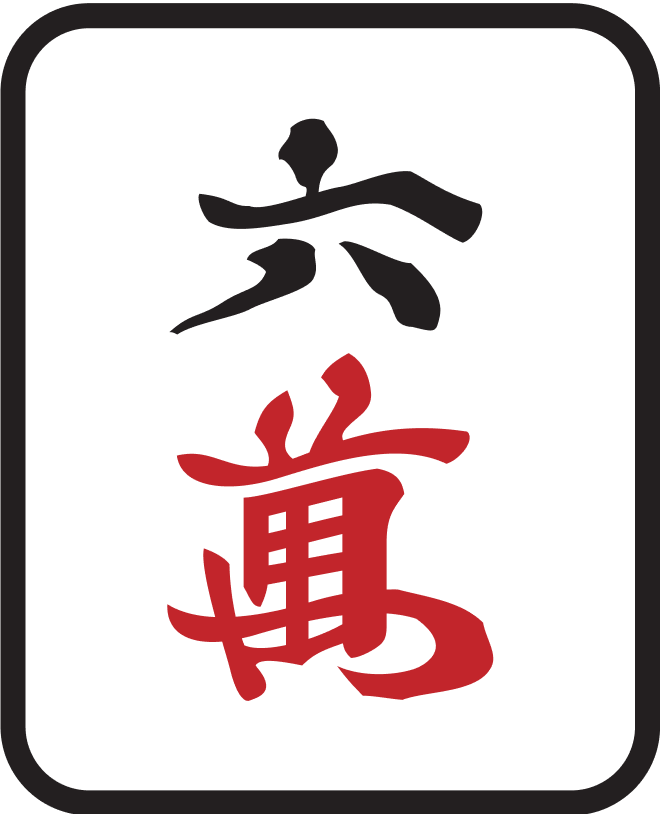 | Most common multiple wait |
| 4-sided wait | 4 types | waiting //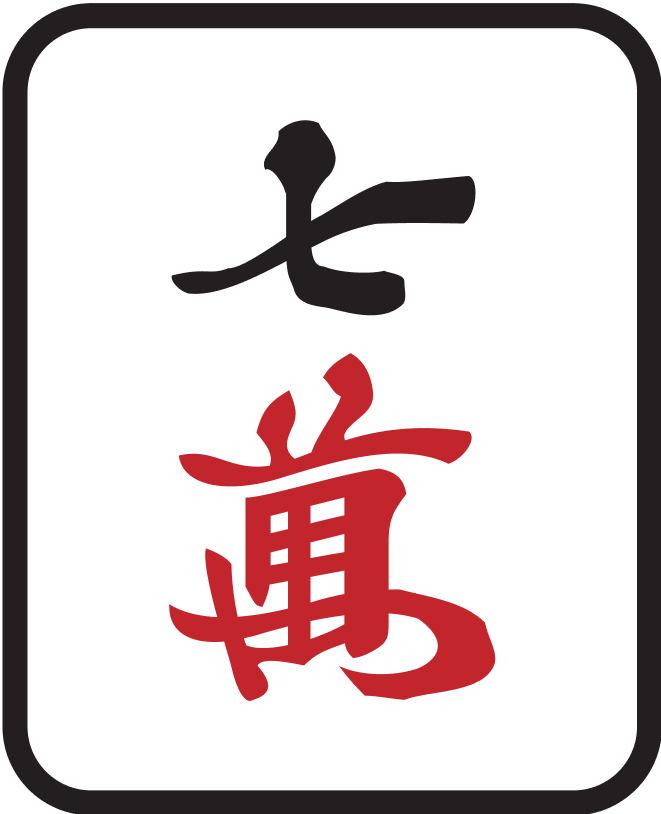 / /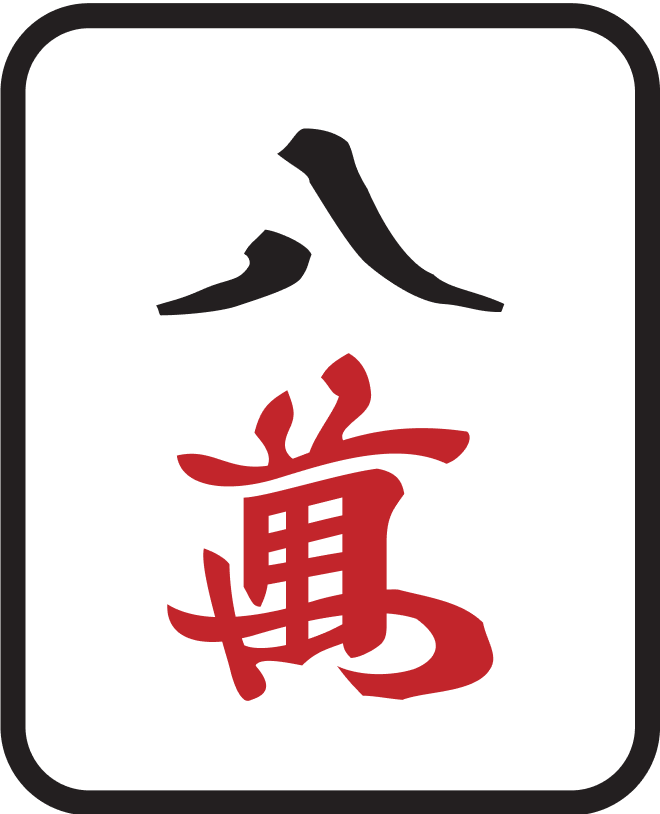 | Somewhat complex |
| 5+ sided wait | 5+ types | Special forms | Advanced level |
Basic 3-Sided Wait Patterns
Nobetan (edge-tanki):
Form: :1m::2m::3m::4m:
Wait: :1m:/:4m: (ryanmen) + :2m: (tanki) = 3-sided wait
Nakabukure (bulging middle):
Form: :2m::3m::3m::4m:
Wait: :2m:/:5m: (ryanmen) + :3m: (shanpon) = 3-sided wait
Extended kanchan form:
Form: :2m::3m::4m::5m:
Wait: :1m:/:4m: (ryanmen) + :6m: (kanchan) = 3-sided wait
Usage Examples
Real Game Situations
Example 1: Wait Confirmation
"This is a 3-sided wait"
"Multiple waits mean many winning tiles"
Example 2: Tactical Judgment
"Multiple waits, so immediate riichi"
"With 3-sided wait, can push aggressively"
Example 3: Reading Situations
"These discards suggest multiple waits"
"Doesn't seem like a simple wait"
Representative Multiple Wait Patterns
3-Sided Waits
| Pattern name | Form example | Wait tiles | Tile count |
|---|---|---|---|
| Nobetan | | // | 11 tiles |
| Nakabukure | 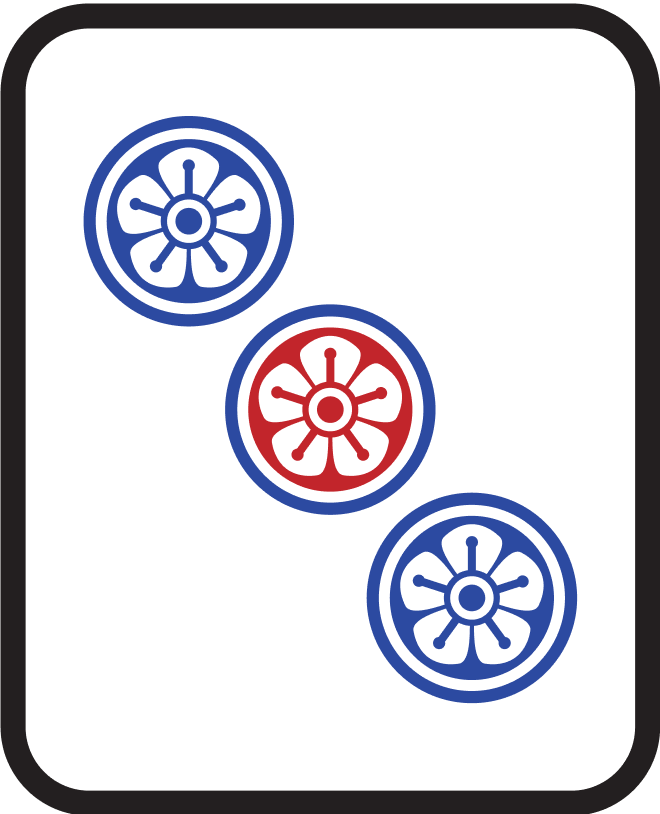 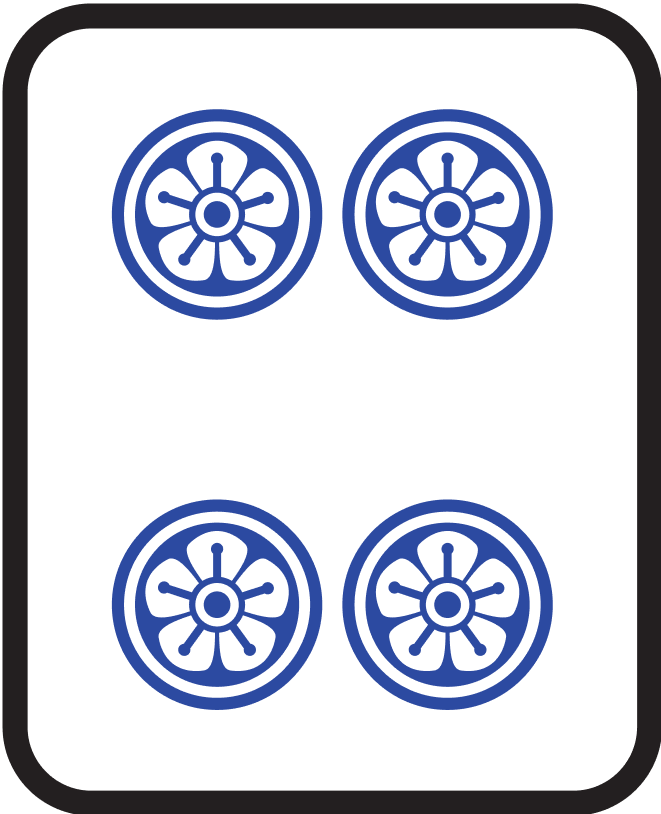 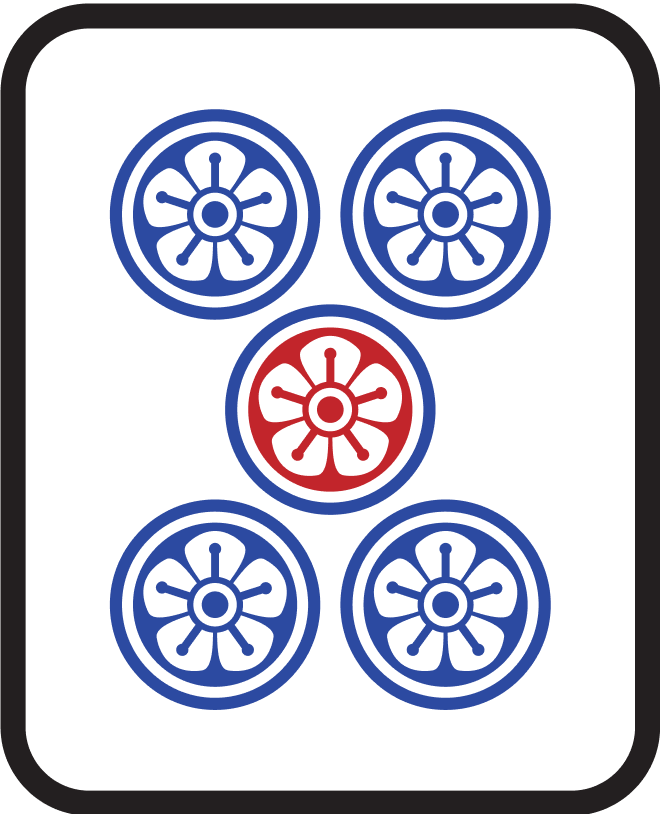 | 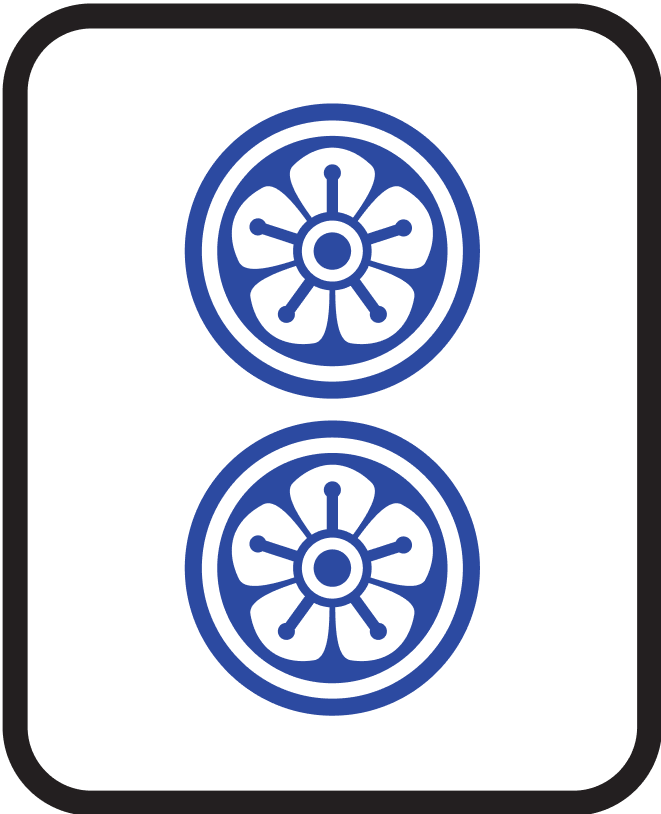 // //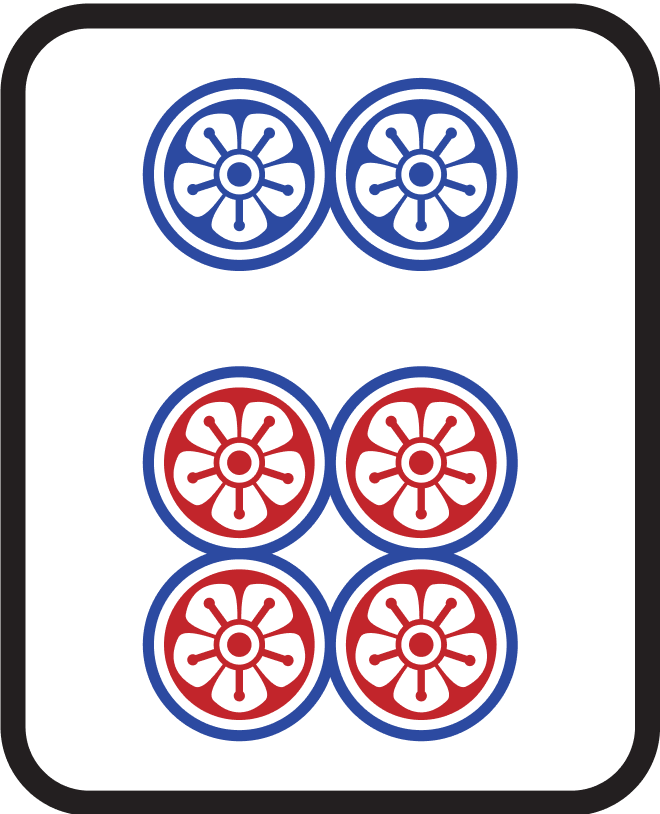 | 11 tiles |
| Double shanpon | 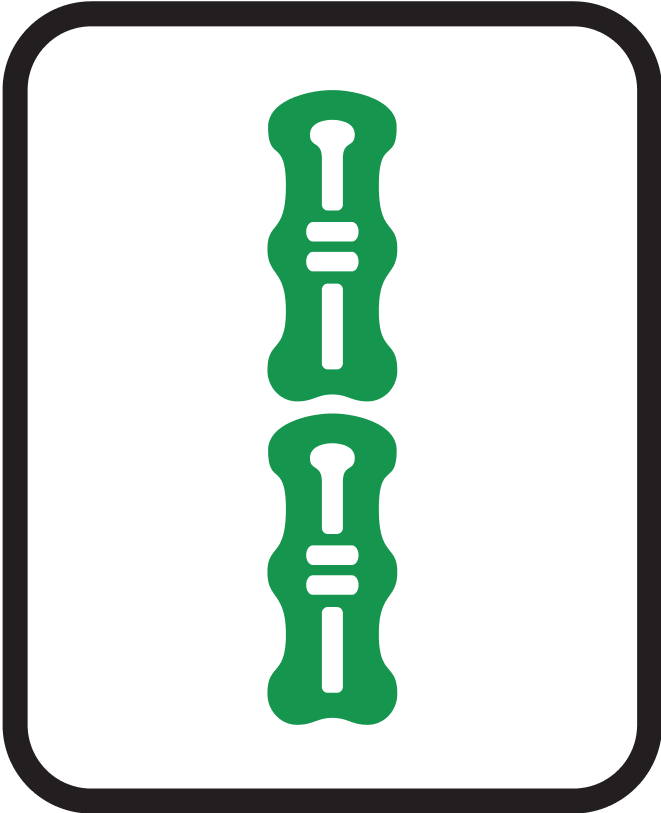 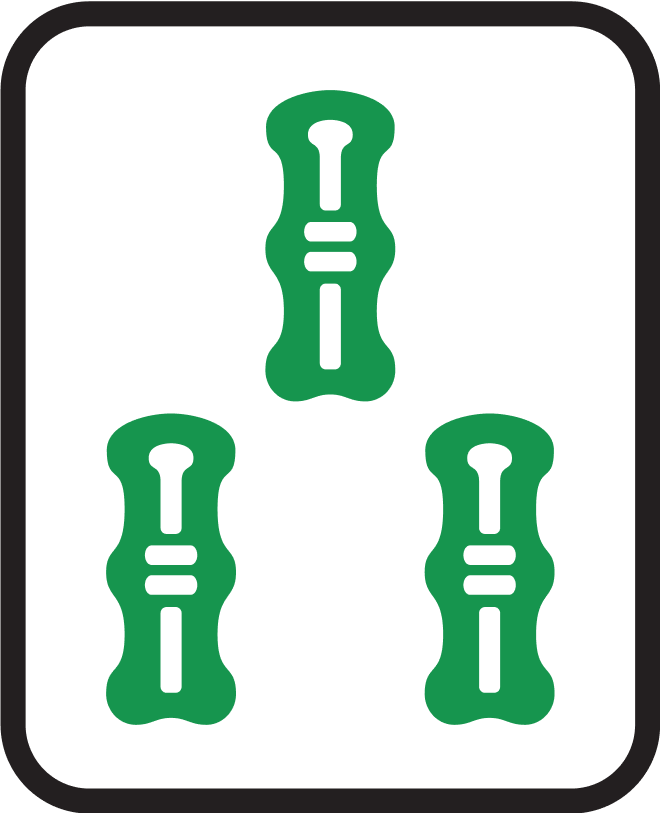 + +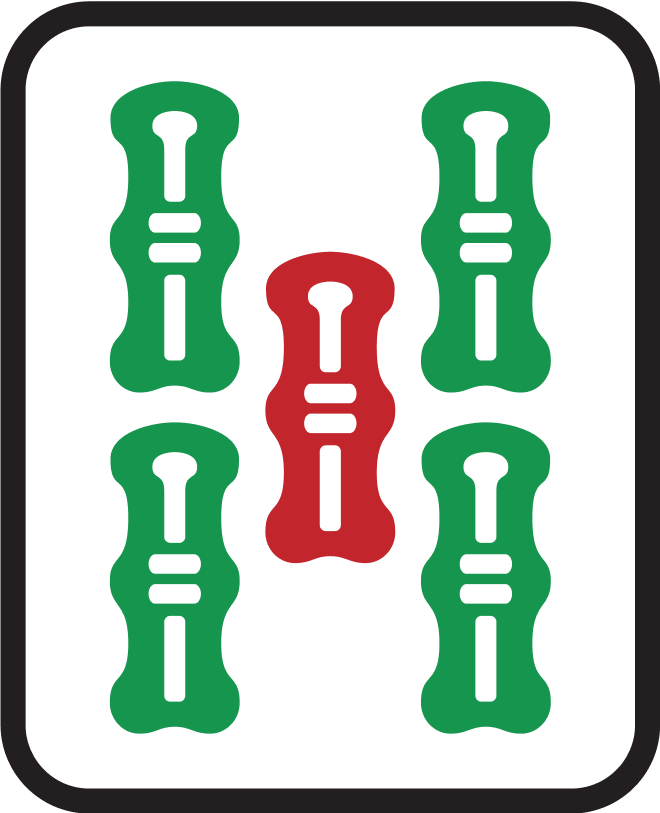 | // | 7 tiles |
| Irregular 3 | | // | 9 tiles |
4-Sided Waits
| Pattern name | Form example | Wait tiles | Tile count |
|---|---|---|---|
| Consecutive form | | //+ tanki | 12 tiles |
| Complex form | | /// | 11 tiles |
| With ankou | | /// | 10 tiles |
5+ Sided Waits
| Pattern name | Form example | Wait tiles | Tile count |
|---|---|---|---|
| Three-gate | | //// | 15 tiles |
| Complex form | | //// | 13 tiles |
| Chiitoitsu-type | Special chiitoitsu forms | 5+ types | Variable |
Related Terms
- Ryanmen-machi: Wait for 2 tile types
- Tanki-machi: Wait for 1 tile type, 1 piece
- Ryokei: Good wait forms
- Tenpai: One tile away from winning
- Takame: Highest scoring wait in multiple waits
Common Mistakes and Points to Note
Points Beginners Often Mistake
-
Overlooking wait tiles
- Can’t grasp all waits
- Especially missing irregular waits
-
Missing furiten
- Part of multiple waits in furiten
- Watch for partial furiten
-
High/low wait judgment errors
- Unclear which tile scores higher
- Insufficient yaku confirmation
-
Remaining tile count
- Many wait types but few remaining tiles
- Insufficient checking of visible tiles
Identifying Multiple Waits
Basic Approach
Forms likely to become multiple waits:
-
Many consecutive number tiles
- , , etc.
- Sequence combinations
-
Pairs and sequence combinations
- ,
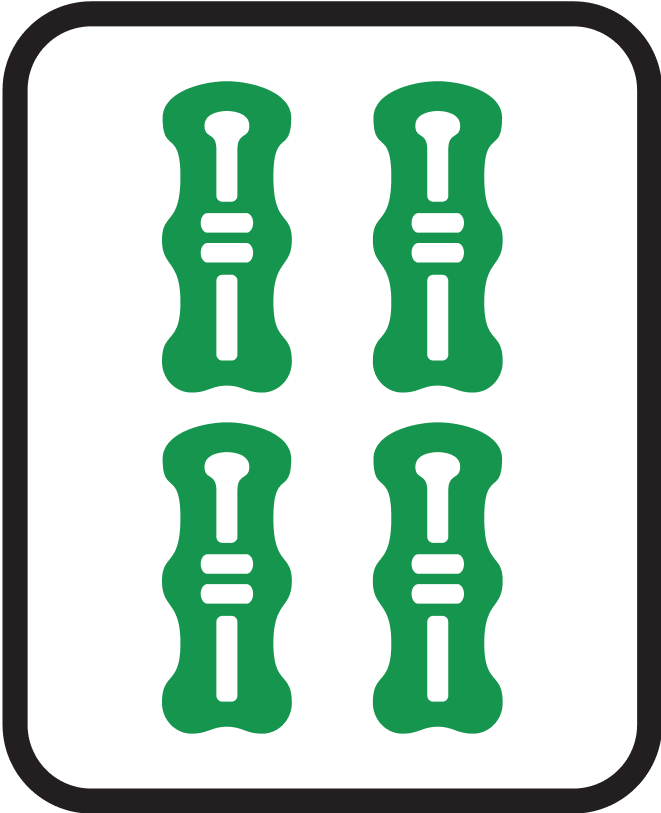 , etc.
 - Multiple splitting possibilities
-
Attachment forms
- Ankou + consecutive form
- Irregular combinations
Identification Tips
Steps:
- First find the pair (head)
- Split remainder into sets
- Try multiple splitting methods
- Check waits for each
Practice methods:
- Solve multiple wait quizzes
- Consciously create them in play
- Study pro game records
Tactical Points
Advantages of Multiple Waits
-
Easier to win
- Many wait tiles
- Higher draw probability
-
Advantageous for pushing/folding
- Can push aggressively
- Easy riichi judgment
-
High scoring possibility
- High wait for big points
- Expect ippatsu, uradora too
Disadvantages of Multiple Waits
-
Complex and error-prone
- Overlooking wait tiles
- Furiten risk
-
Sometimes easily read
- Inferred from discards
- Revealed by tedashi/tsumogiri
-
Large point differences
- Gap between high/low waits
- Big difference with/without yaku
Practical Application
Tips for Creating Multiple Waits
Early game awareness:
- Value consecutive forms
- Keep attachment pairs
- Prioritize flexibility
Mid game choices:
- Preserve multiple wait possibilities
- Don’t fix too rigidly
- Anticipate changes
Late game finalization:
- Choose maximum waits
- Watch for furiten
- Consider high waits
Riichi Judgment
When to riichi with multiple waits:
- 3+ sided waits
- 8+ wait tiles
- High wait for mangan+
When to hold riichi:
- Partially in furiten
- Low wait without yaku
- Opponents clearly in tenpai
Reading on Defense
Opponent’s multiple wait signs:
- Few tedashi
- Hesitation late game
- Delayed riichi
Countermeasures:
- Don’t rely on suji
- Prioritize genbutsu
- Choose completely safe tiles
Multiple Wait Practice Problems
Beginner Problem
Hand: :2m::3m::3m::4m::4m::5m::5m: + other sets
Question: What waits?
Answer: :2m:/:5m: (3-sided: :3m: also shanpon wait)
Intermediate Problem
Hand: :2p::3p::4p::5p::6p::7p: + other sets
Question: What waits?
Answer: :1p:/:4p:/:7p:/:8p: (4-sided wait)
Advanced Problem
Hand: :1m::1m::2m::2m::3m::3m::4m::4m: + other sets
Question: What waits? (not chiitoitsu)
Answer: :1m:/:2m:/:3m:/:4m:/:5m: (5-sided wait)
Conclusion
Tamen-machi (multiple waits) are advantageous tenpai forms waiting for 3 or more tile types. While difficult for beginners, you can gradually learn to identify them by memorizing basic patterns. First grasp the basics: “consecutive forms easily become multiple waits” and “watch for pair and sequence combinations,” then practice consciously creating multiple waits in real games. Mastering multiple waits improves your win rate and makes mahjong more enjoyable.