What Are Yaku in Mahjong?
In mahjong, simply assembling 14 tiles isn’t enough to win. You need at least one “yaku.” This guide introduces the basic yaku that beginners should learn first, with actual tile examples.
1 Han Yaku (Basic Yaku)
Riichi (Ready Hand)
- Conditions: Declare riichi when reaching tenpai with a closed hand
- Characteristics: The most basic yaku. Requires 1000 point riichi stick
- Example:
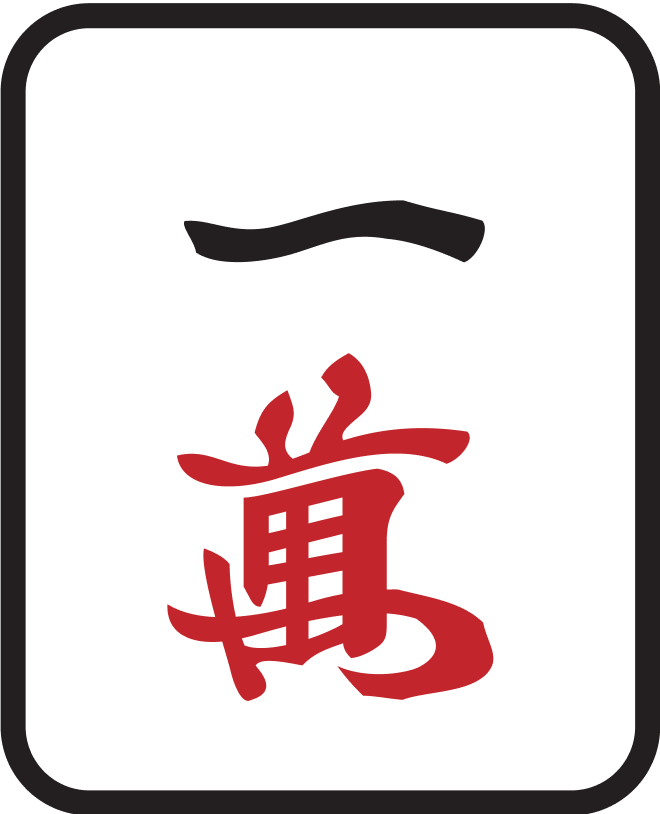
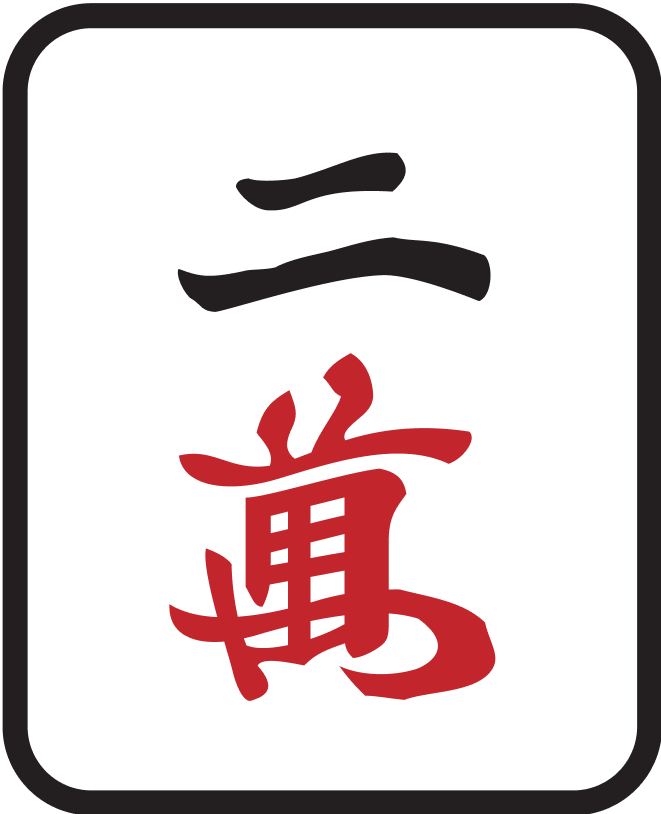

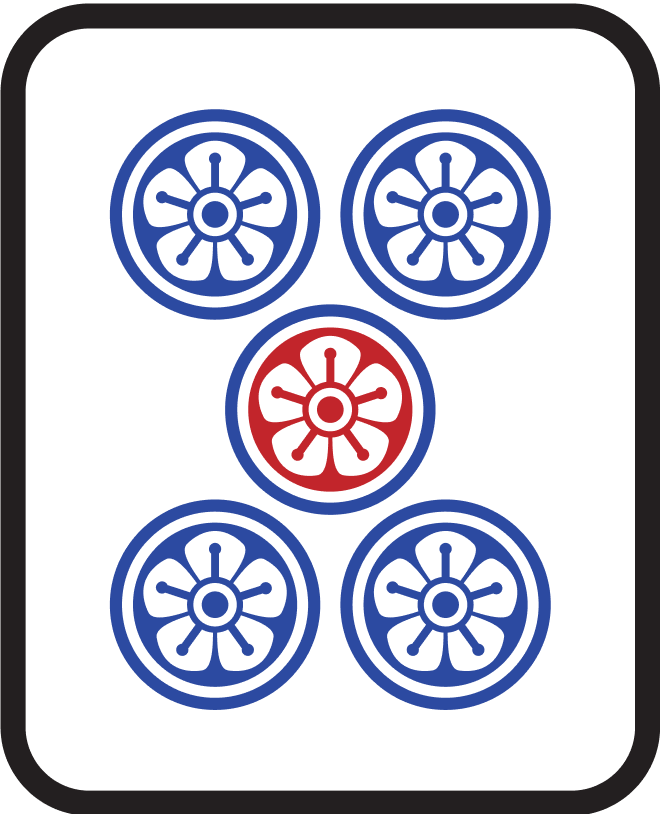
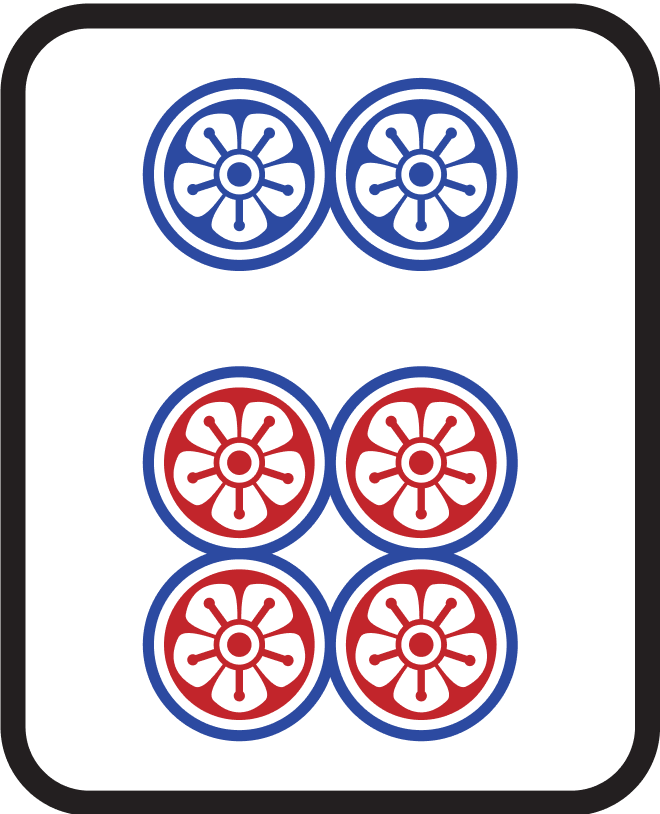
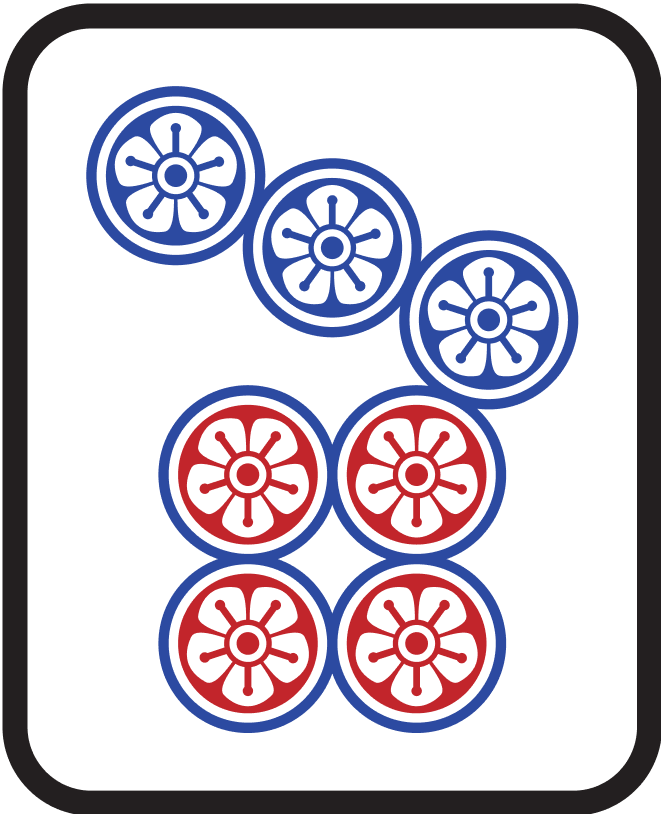
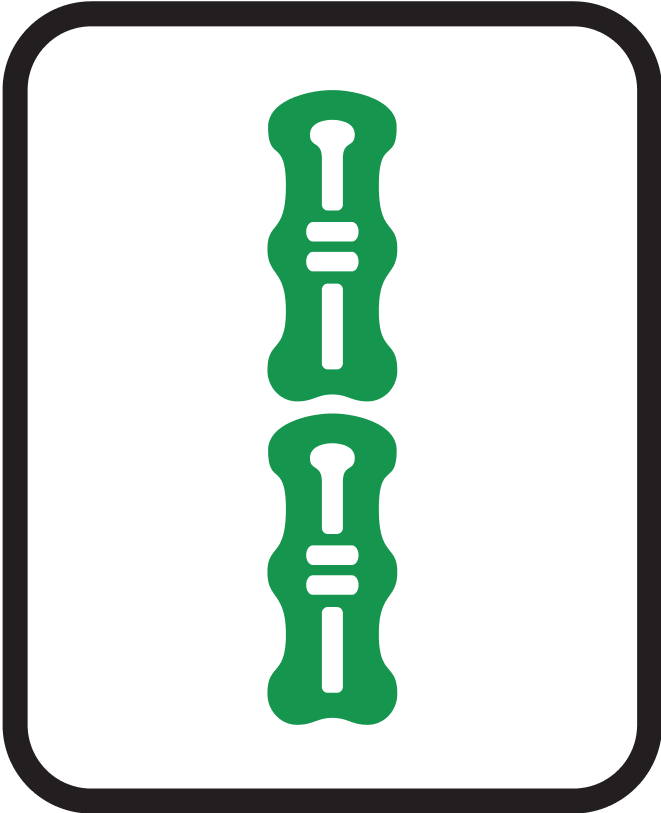
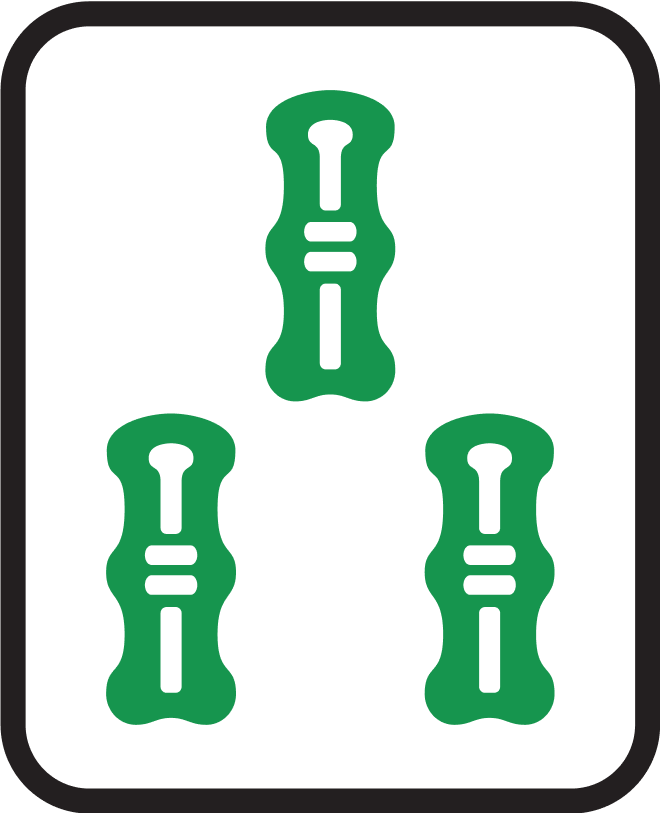
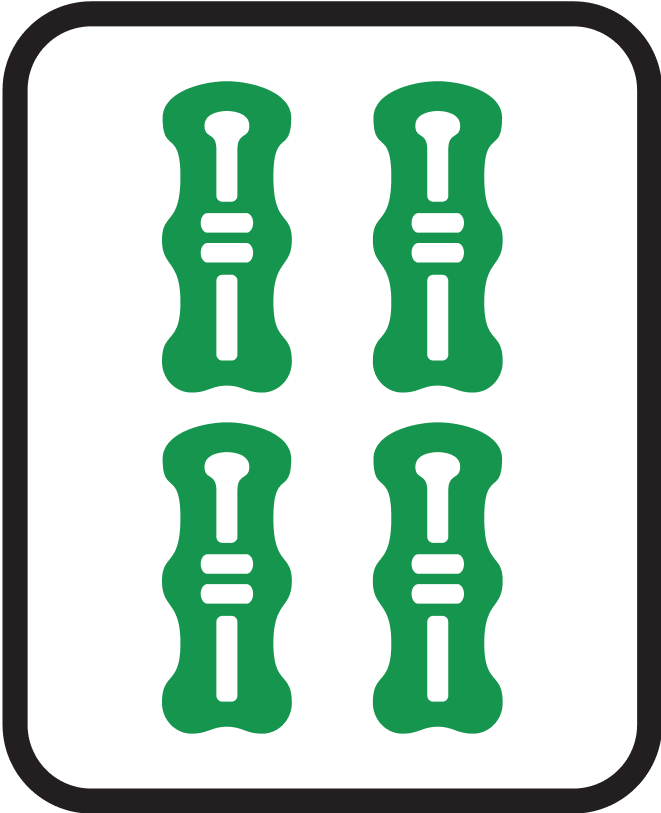
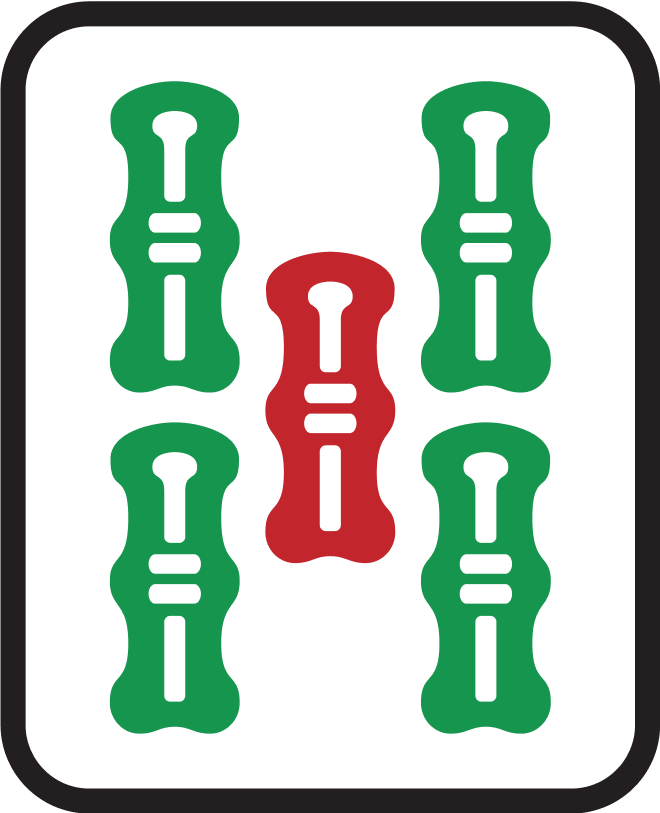
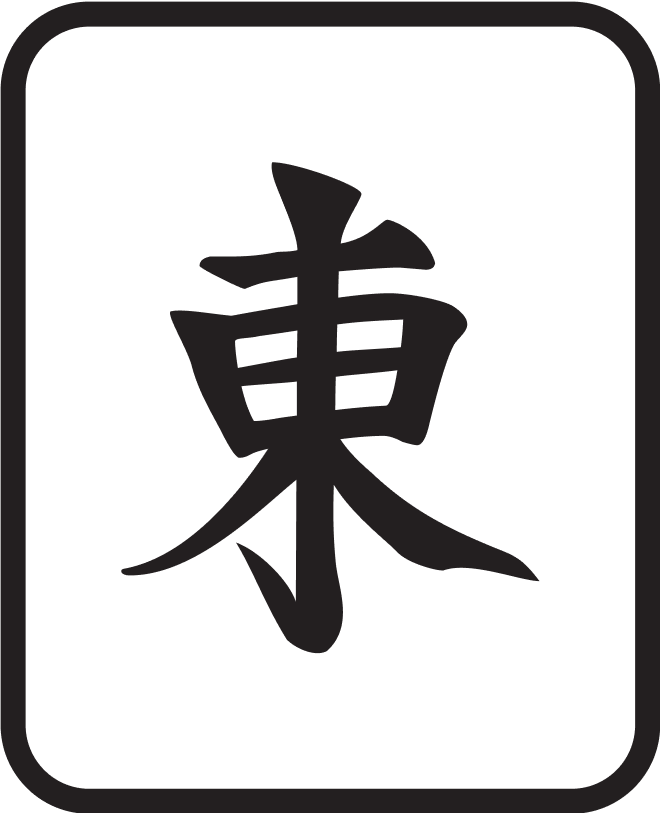 waiting for
Menzen Tsumo (Fully Concealed Hand)
- Conditions: Win by self-draw without making any calls
- Characteristics: Commonly called “tsumo.” Requires closed hand
- Example: Any shape works! Just don’t pon or chi, and win with a self-drawn tile
Yakuhai (Honor Tiles)
- Conditions: Collect 3 dragons (White, Green, Red) or prevailing/seat wind tiles
- Examples:
 (3 White)
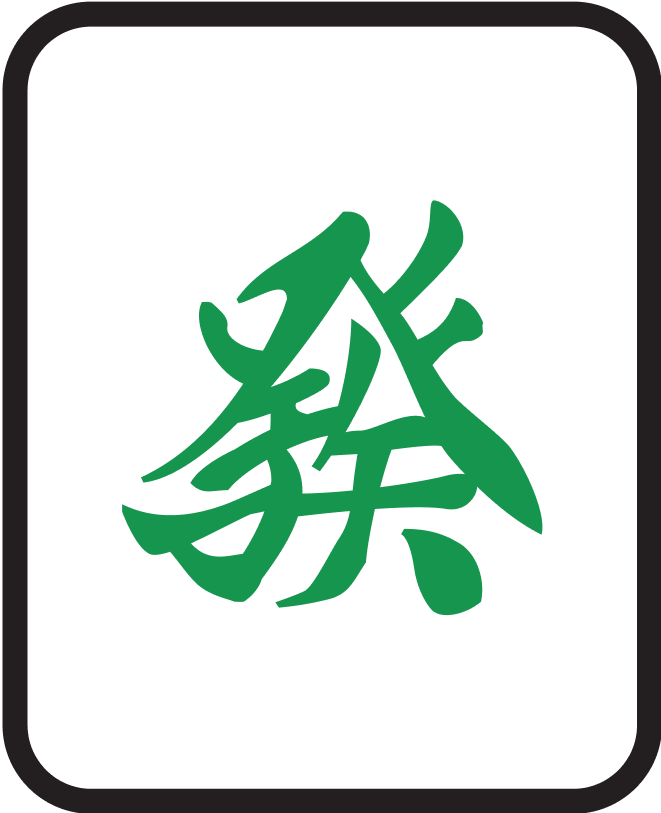 (3 Green)
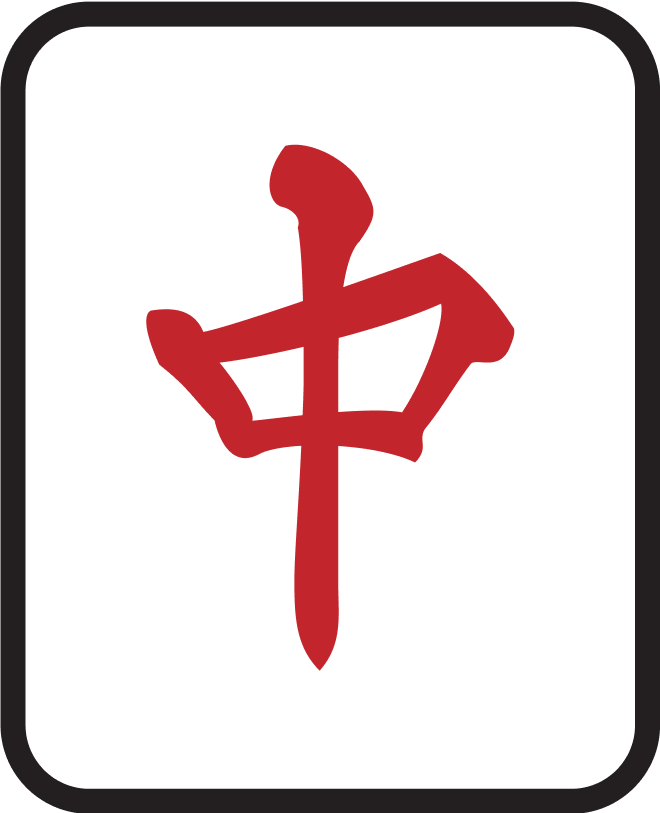 (3 Red)
- (East in East round as East player)
- Characteristics: Easy yaku for beginners to make
Pinfu (All Sequences)
- Conditions: Composed entirely of sequences with an open-ended wait (closed hand only)
- Example:
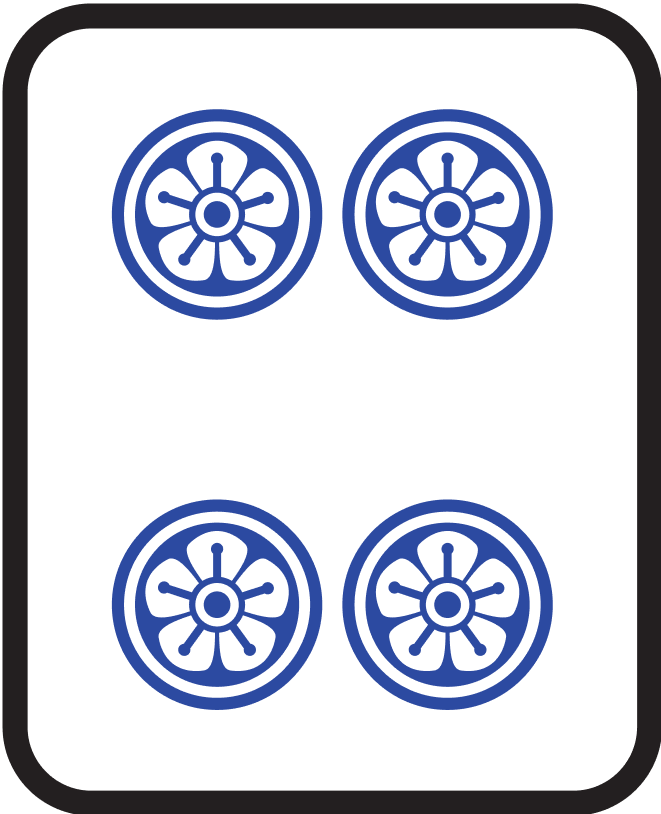
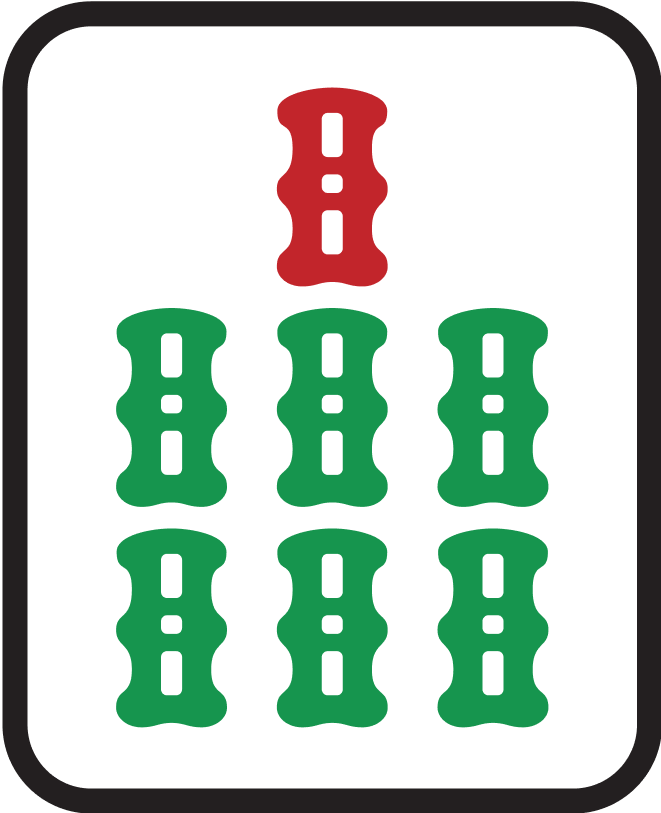
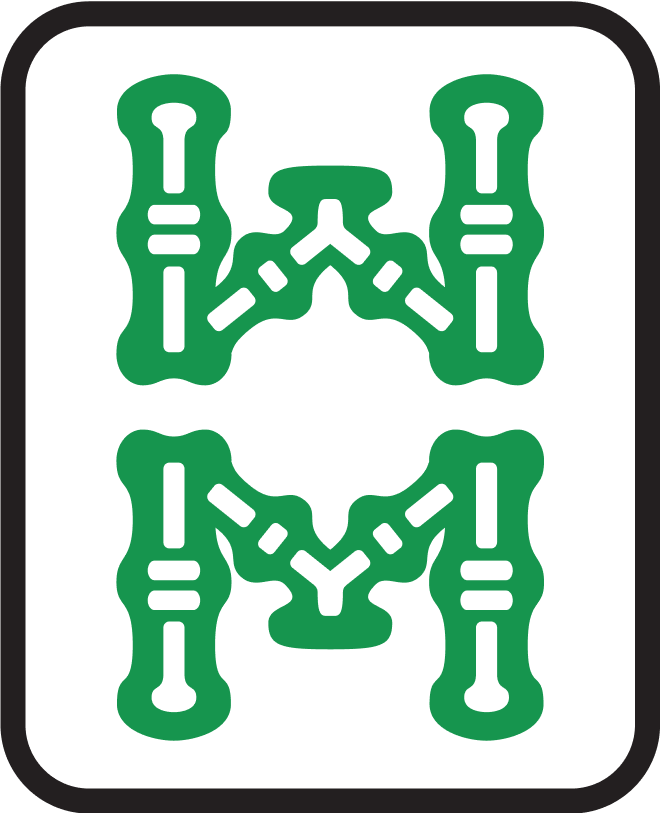
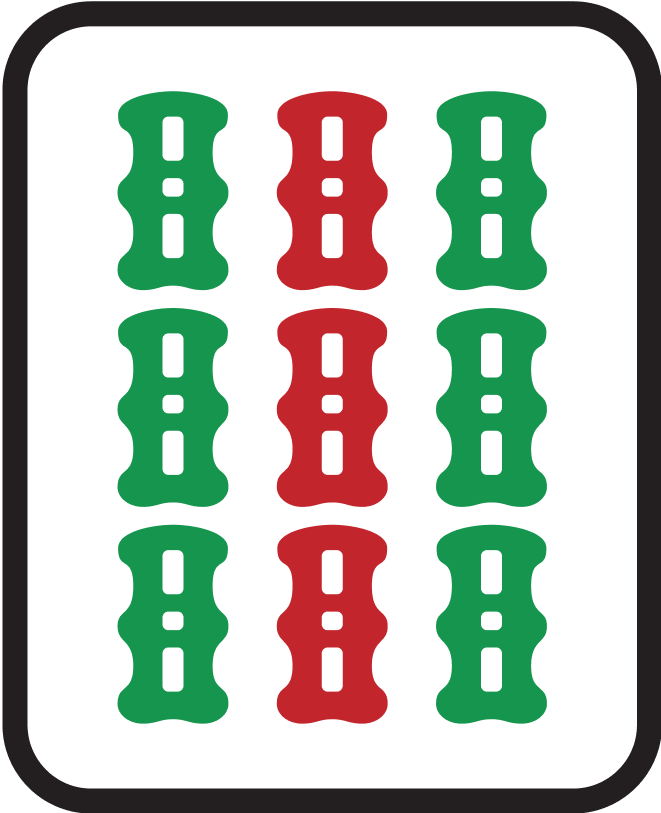
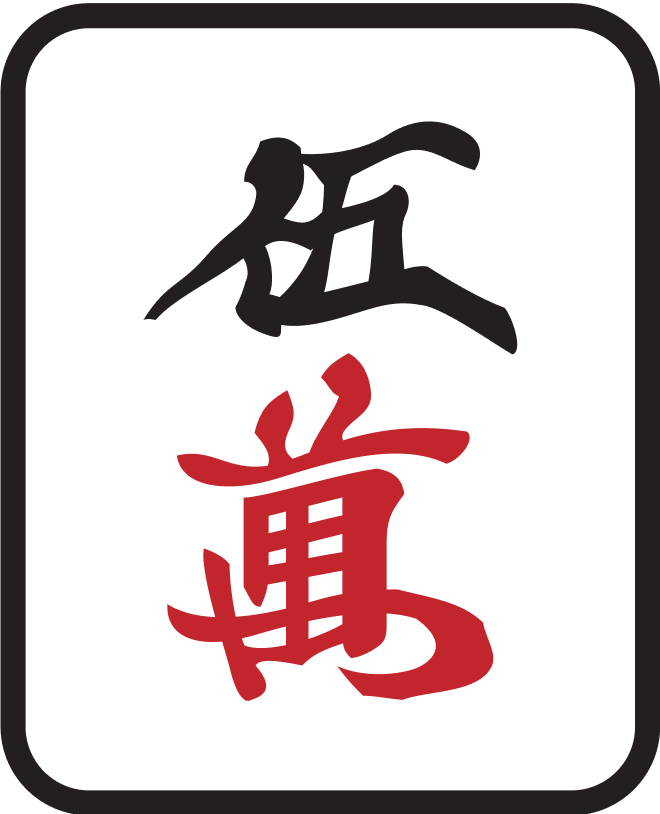 waiting for
 - Characteristics: Open-ended wait is essential!
Tanyao (All Simples)
- Conditions: Composed only of 2-8 suit tiles (no terminals or honors)
- Example:
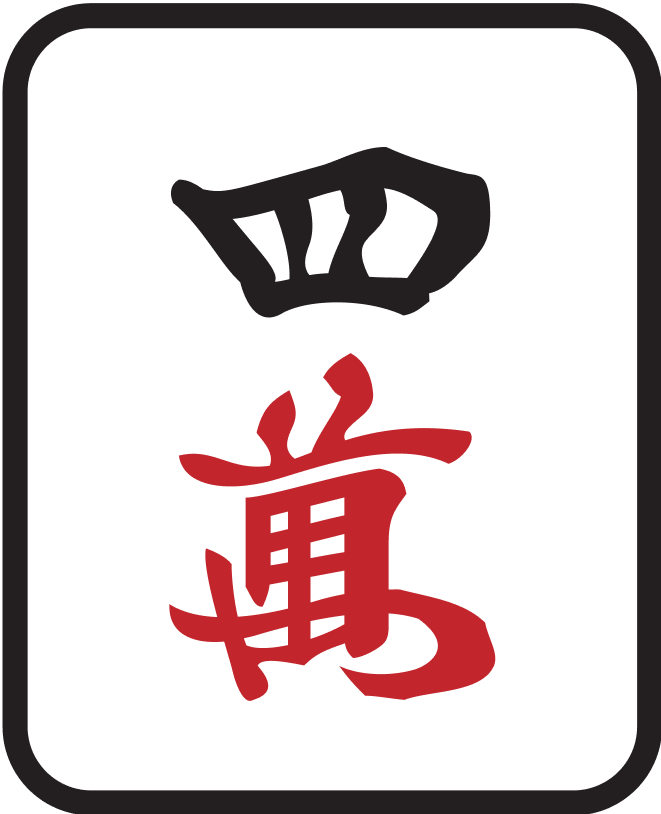
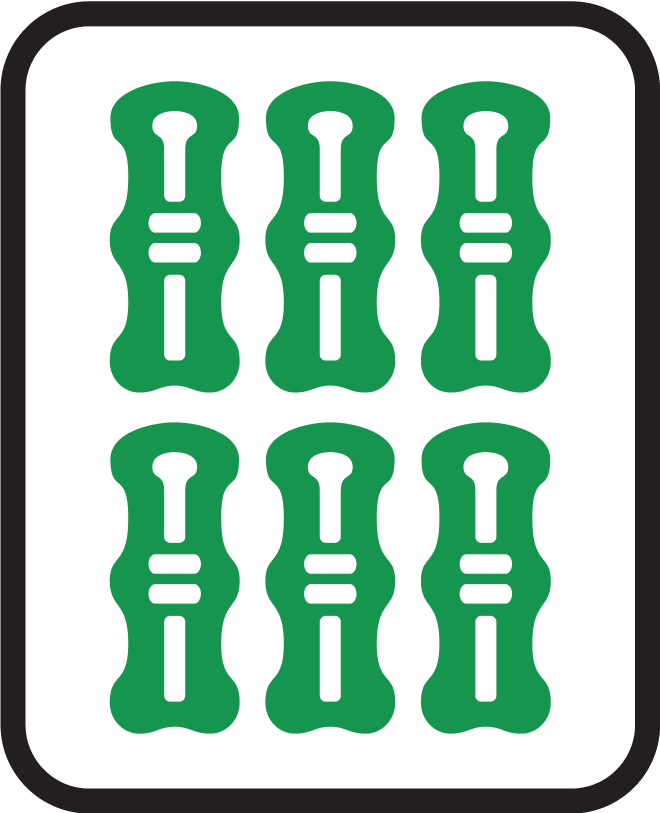
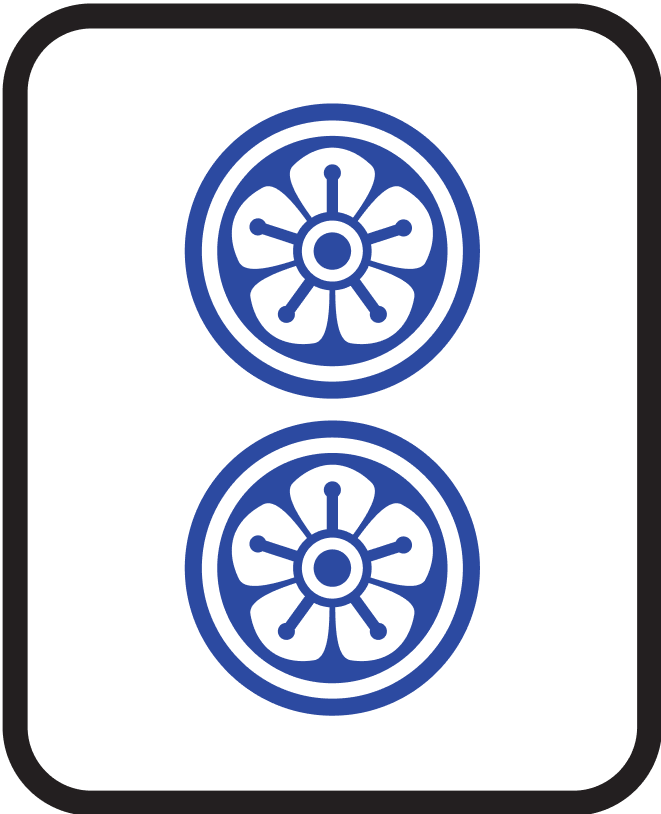
- Characteristics: One of the easiest yaku to make
2 Han Yaku
Sanshoku Doujun (Three Color Straight)
- Conditions: Same numbered sequences in all three suits
- Examples:
-
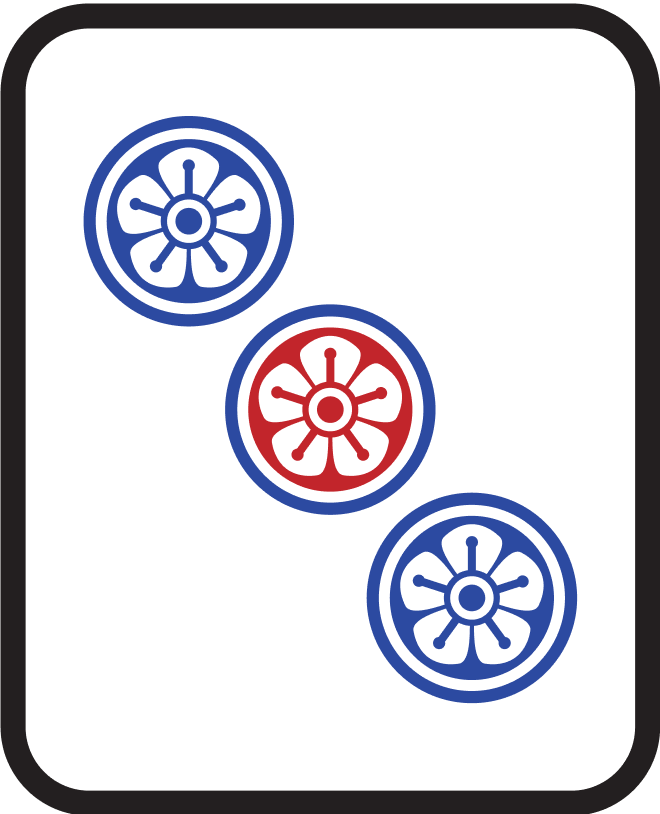 + 5 more tiles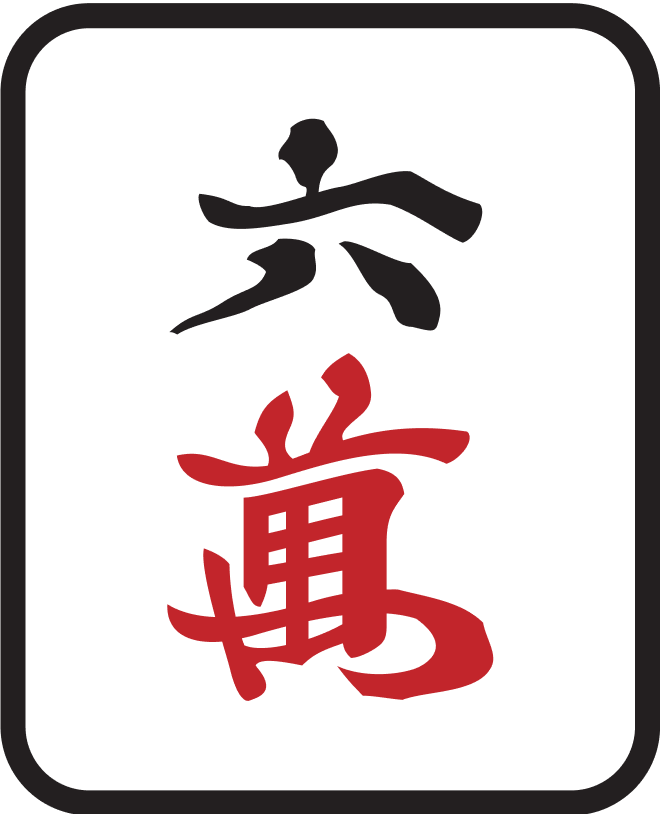
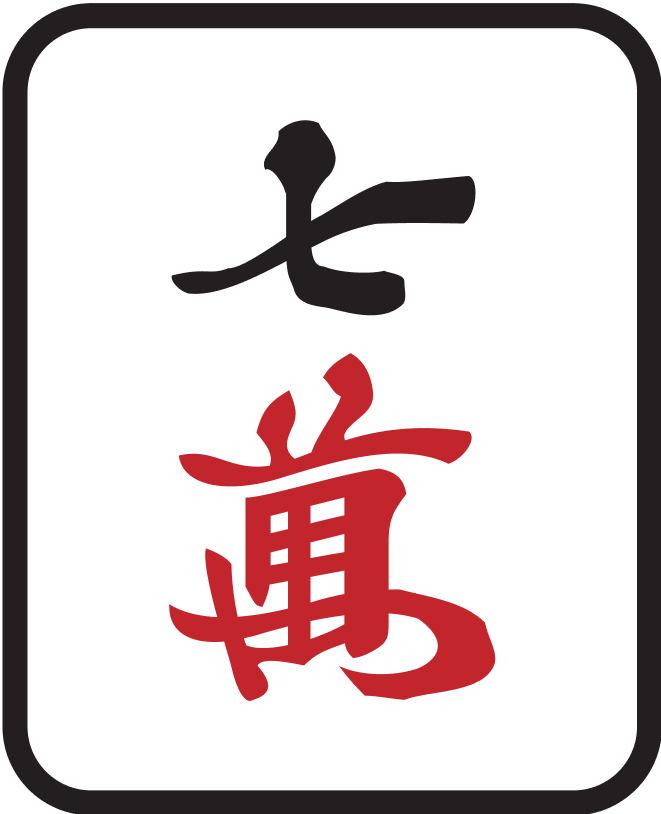 + 5 more tiles
- Characteristics: Worth 1 han when open
Ikkitsuukan (Pure Straight)
- Conditions: 123, 456, 789 sequences in the same suit
- Examples:
- With Characters:
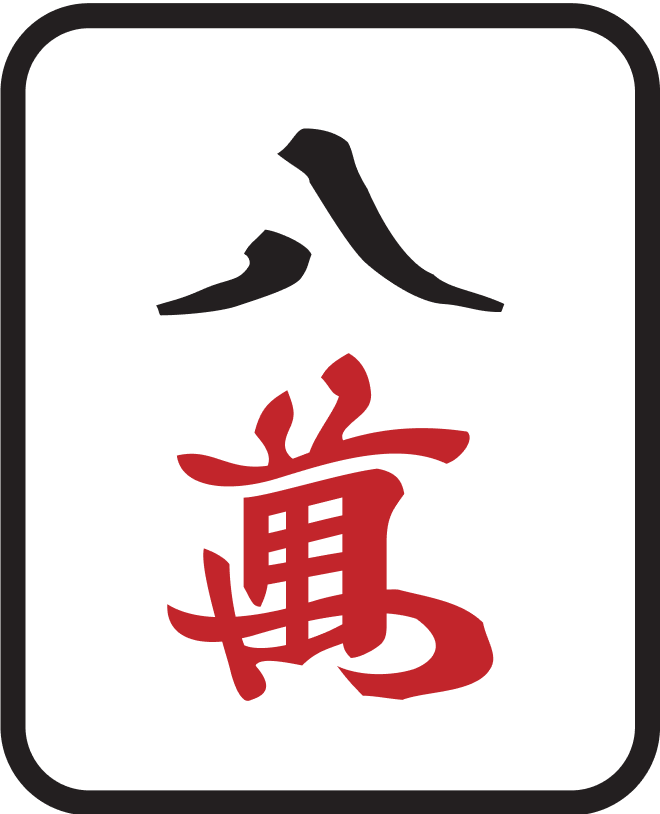
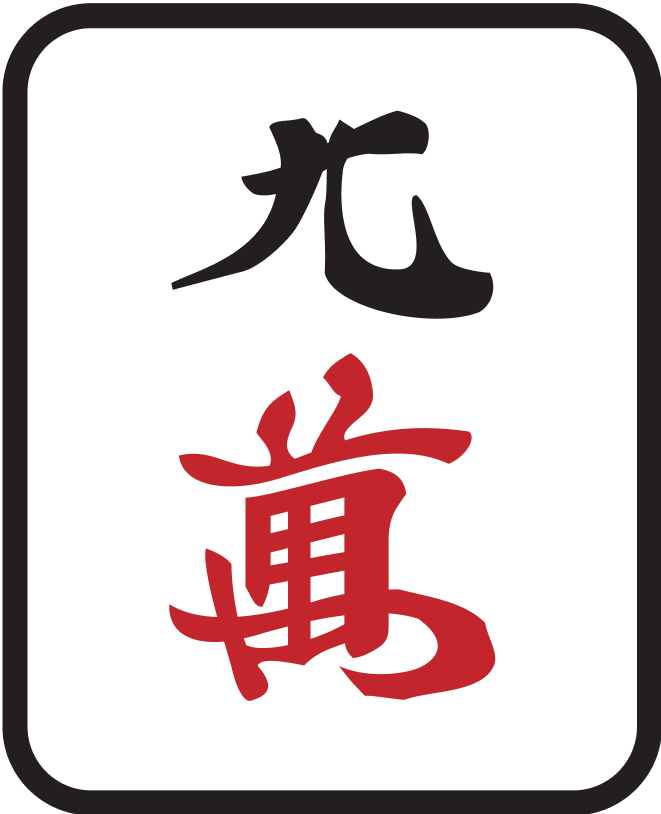 + 5 more tiles
 - With Dots:

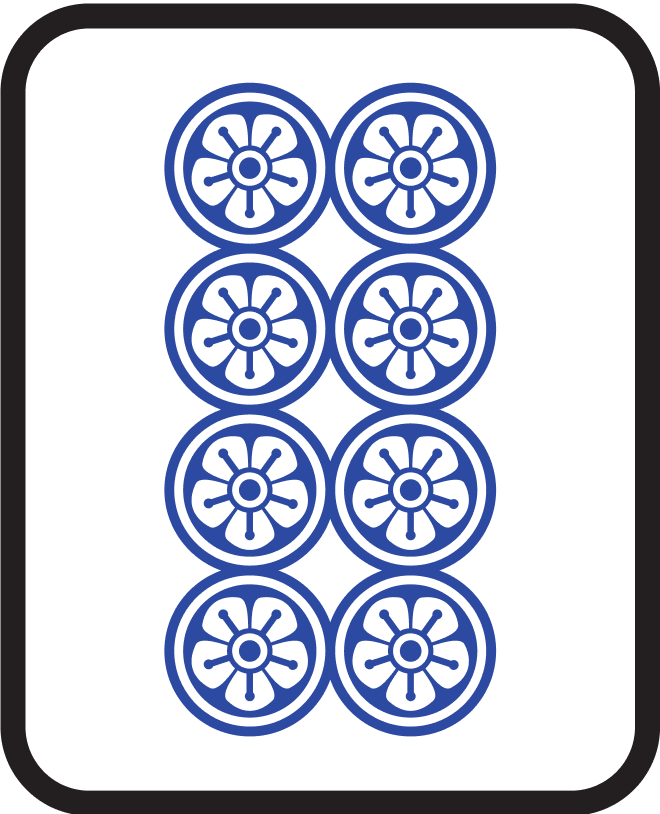
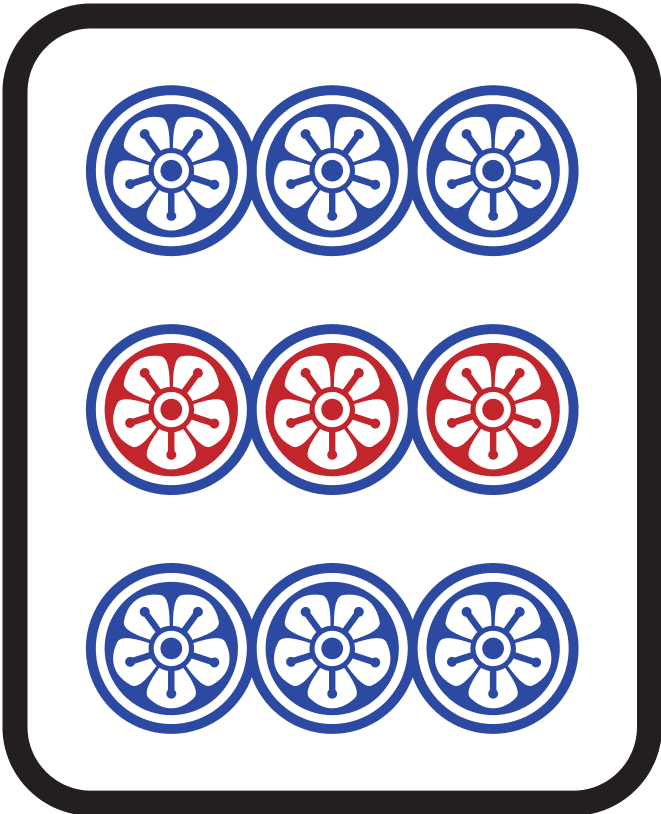 + 5 more tiles
- With Characters:
- Characteristics: Commonly called “ittsu.” Worth 1 han when open
Toitoi (All Triplets)
- Conditions: Composed entirely of triplets
- Example:
- Characteristics: Valid even when open
Chiitoitsu (Seven Pairs)
- Conditions: Make 7 pairs of identical tiles (special shape)
- Example:
- Characteristics: Special yaku fixed at 25 fu
3+ Han Yaku
Honitsu (Half Flush)
- Conditions: One suit type plus honor tiles only
- Examples:
- Characters + Honors:
- Dots + Honors:
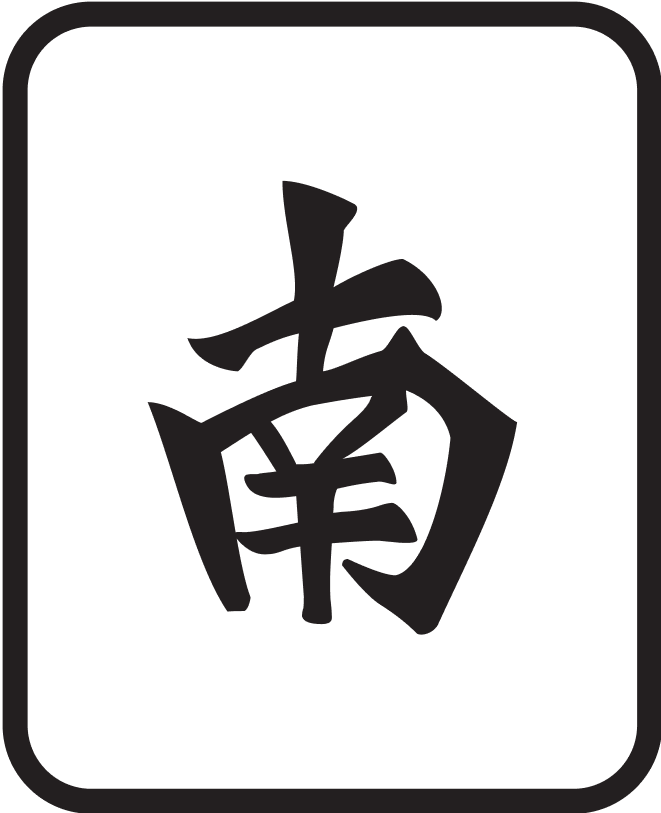
- Characters + Honors:
- Characteristics: Worth 2 han when open
Junchan (Terminals in All Sets)
- Conditions: All sets and pair include terminal tiles (no honors)
- Example:
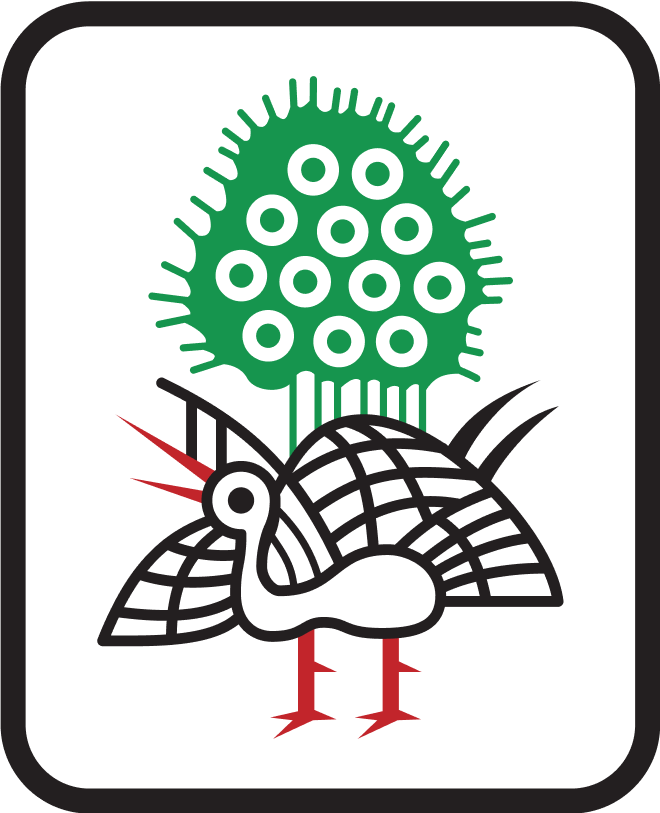
- Characteristics: Worth 2 han when open. Key is no honor tiles
Chinitsu (Full Flush)
- Conditions: One suit type only
- Examples:
- Characters only:
- Dots only:
- Characters only:
- Characteristics: 6 han yaku (5 han when open)
Yakuman (Maximum Score Yaku)
Daisangen (Big Three Dragons)
- Conditions: Collect all three dragon tiles (White, Green, Red) as triplets
- Example:
Kokushi Musou (Thirteen Orphans)
- Conditions: One of each terminal and honor tile, plus one pair
- Example:
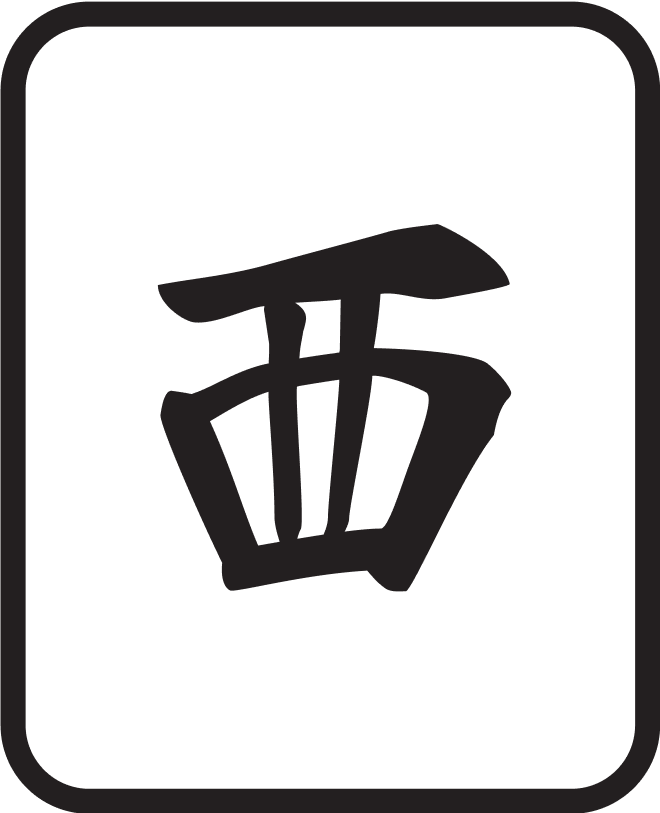
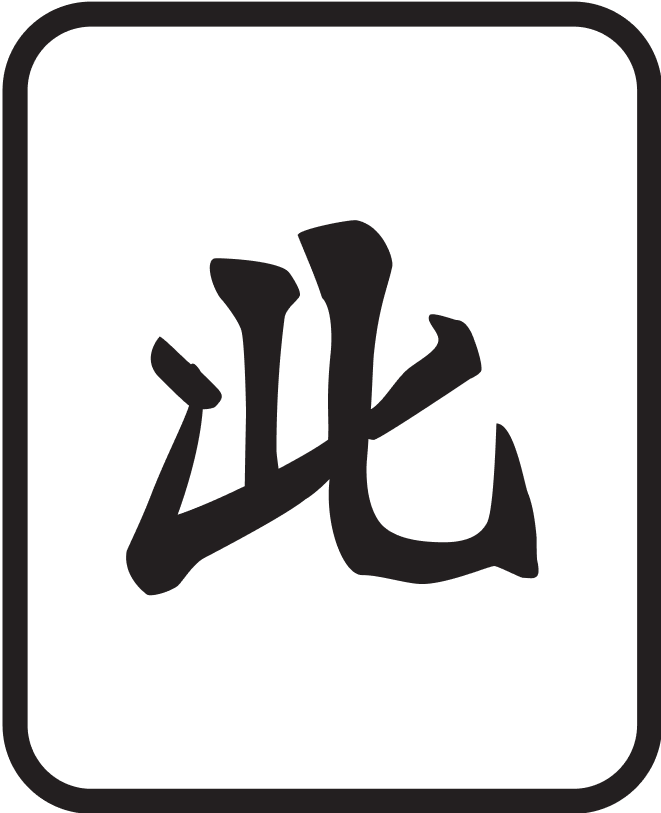 + one more of any
Suuankou (Four Concealed Triplets)
- Conditions: Make 4 concealed triplets with a closed hand
- Example: (all self-drawn)
Yaku Combinations
You can aim for higher scores by achieving multiple yaku simultaneously. For example:
-
Riichi + Pinfu + Tanyao = 3 han
with riichi -
Yakuhai + Toitoi = 3 han
Advice for Beginners
5 Yaku to Learn First
- Riichi - Just declare riichi when you reach tenpai with a closed hand!
- Yakuhai - Collect 3 , , or wind tiles
- Tanyao - Make with only 2-8 tiles (no terminals or honors)
- Pinfu - All sequences + open-ended wait (closed hand only)
- Menzen Tsumo - Win by self-draw without calling
Tips for Making Yaku
- Aim for tanyao first: Easy to make without terminals and honors
- Call yakuhai actively: Watch for 2 , , or
- Riichi is powerful: Declare riichi actively when tenpai with closed hand
- Be aware of combinations: Can aim for sanshoku while building tanyao
Master these and you’ll fully enjoy basic mahjong. As you get comfortable, challenge yourself with more difficult yaku!