“Fu calculation again…”
If you learned mahjong with friends at a mahjong parlor, you’ve probably felt this way. The exhilaration of winning quickly fades as you struggle with “Wait, how many fu is this?” Sound familiar?
But don’t worry. Fu calculation is certainly mahjong’s demon gate, but it’s not as scary as it seems. Today, let’s adventure together into the world of fu calculation.
Quick Reference Table for Peace of Mind
For the impatient “I need to know NOW!” folks, here’s a quick reference table. Keep it as a lucky charm.
| Element | Condition | Fu |
|---|---|---|
| ①Base | Always given | 20 fu |
| ②Win method | Tsumo | 2 fu |
| Closed ron | 10 fu | |
| Open ron | 0 fu | |
| ④Pair | Honor/Yakuhai | 2 fu |
| Other | 0 fu | |
| ⑤Wait | Tanki, Nobetan | 2 fu |
| Penchan, Kanchan | 2 fu | |
| Ryanmen, Shanpon | 0 fu |
Set Fu
| Set Type | Simples (2-8) | Terminals/Honors (1,9,honors) |
|---|---|---|
| Sequence | 0 fu | 0 fu |
| Open triplet | 2 fu | 4 fu |
| Closed triplet | 4 fu | 8 fu |
| Open quad | 8 fu | 16 fu |
| Closed quad | 16 fu | 32 fu |
Formula: ①+②+③+④+⑤ = Total Fu ※Round ones digit up (32 fu → 40 fu)
| Special Rules | Pinfu Tsumo | Chiitoitsu |
|---|---|---|
| Fixed 20 fu | Fixed 25 fu |
Are Mahjong Scores a Romance Between Han and Fu?
To understand fu calculation, you need to know mahjong’s scoring system. Mahjong scores are a love story woven by two elements: “han” and “fu.”
Han is the flashy protagonist. Riichi, tanyao, yakuman - glamorous yaku determine han count. Dora joins han too, truly the stars of mahjong.
Fu is the plain but important supporting role. It quietly supports scoring through set shapes and win methods. Not as flashy as the protagonist, but score calculation can’t exist without fu.
When these two join hands, this magical formula emerges:
For Non-Dealer Wins
Fu × 4 × 2^(han+2)
For Dealer Wins
Fu × 6 × 2^(han+2)
For example, 2 han 30 fu for non-dealer: 30 × 4 × 2^4 = 30 × 4 × 16 = 1,920 points
In mahjong, tens digit rounds up, so it becomes 2,000 points.
“Wait, we calculate this mentally?”
No worries. Even pro players use score tables or memorize them. But fu calculation you must do yourself. That’s why mastering fu calculation is the first step to improving at mahjong.
The 5 Friends of Fu Calculation
Fu calculation has 5 reliable friends. Each has personality, and once you remember them, they’re quite charming.
①Base (Futei) - The Kind One Who Always Gives 20 Fu
Base is mahjong’s kindest existence, always giving 20 fu no matter how you win. Also called “base fu,” it’s truly the foundation of fu calculation.
Even when you’re down thinking “Maybe not this time…” base never betrays you. Always solidly supporting with 20 fu.
②Win Method - The Tsumo and Ron Brothers
Tsumo is the modest younger brother, only giving 2 fu. But it’s a reward for winning by yourself.
Closed Ron is the generous older brother, giving a full 10 fu. A bonus for working hard with a closed hand.
Open Ron is… unfortunately 0 fu. The price paid for calling.
③Sets - A Diverse Group
The world of sets is like a school classroom. Each has characteristics.
Simple Tiles (Suit 2-8) Class
- Sequence: 0 fu quiet kid
- Open triplet: 2 fu average kid
- Closed triplet: 4 fu hardworking kid
- Open quad: 8 fu energetic kid
- Closed quad: 16 fu class ace
Terminals/Honors (Honor tiles and suit 1,9) Class
A slightly premium class giving double fu of simples. Closed quads give a whopping 32 fu!
④Pair - Simple Character Determined by Yakuhai
The pair has a straightforward personality. 2 fu if yakuhai, 0 fu otherwise. Very direct.
⑤Wait Shape - Seems Complex But Actually Simple
Wait shapes seem complex at first, but there’s actually a simple rule.
Wait tile is 1 type → 2 fu
- Tanki, nobetan, penchan, kanchan
Wait tile is 2+ types → 0 fu
- Ryanmen, shanpon
“Why is nobetan 2 fu?” you might wonder, but it’s because it’s considered two tanki waits. Interesting, right?
Calculation Is Just Addition!
Add all 5 friends’ fu together and round up ones digit - done!
Example: Base 20 fu + Tsumo 2 fu + Closed triplet 4 fu + Yakuhai pair 2 fu + Tanki wait 2 fu = 30 fu
The 3 Oddballs of Fu Calculation
The fu calculation world has 3 oddballs who don’t follow normal rules.
Chiitoitsu - The Stubborn One Fixed at 25 Fu
Chiitoitsu ignores all other conditions and stubbornly insists “I’m 25 fu!” An international type born in America, maintaining their own rules.
Pinfu Tsumo - The Humble One Satisfied With 20 Fu
Pinfu’s concept is “yaku with no fu.” Even winning by tsumo, humbly satisfied with 20 fu.
Open Pinfu Shape - The Calculating One Demanding 30 Fu
A pitiful shape meeting pinfu conditions but not getting pinfu yaku because it’s not closed. But insists “I want at least 30 fu,” becoming 30 fu even with ron.
Practice! Fu Calculation Dojo
Theory ends here. Let’s actually calculate. Setting: East round, East seat, no riichi.
Dojo Round One
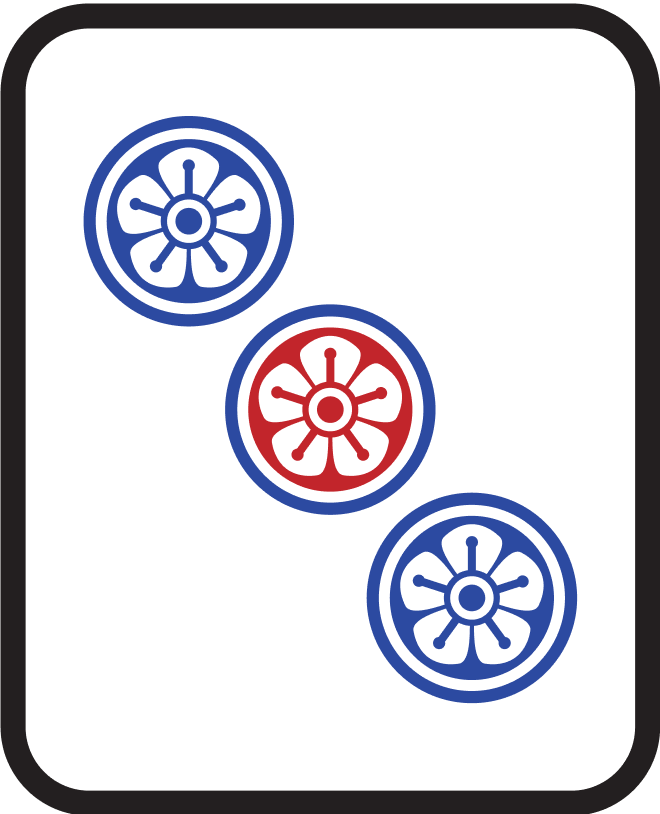
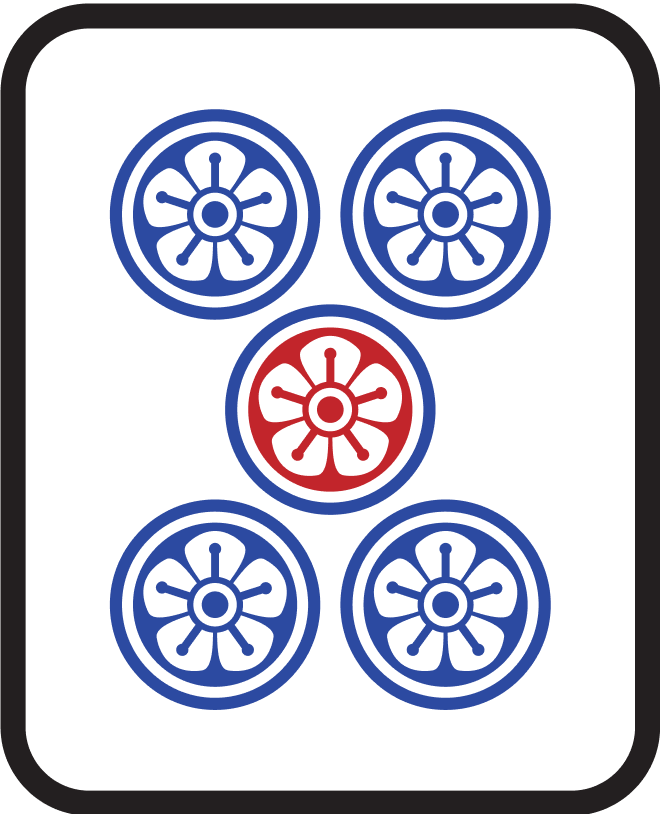
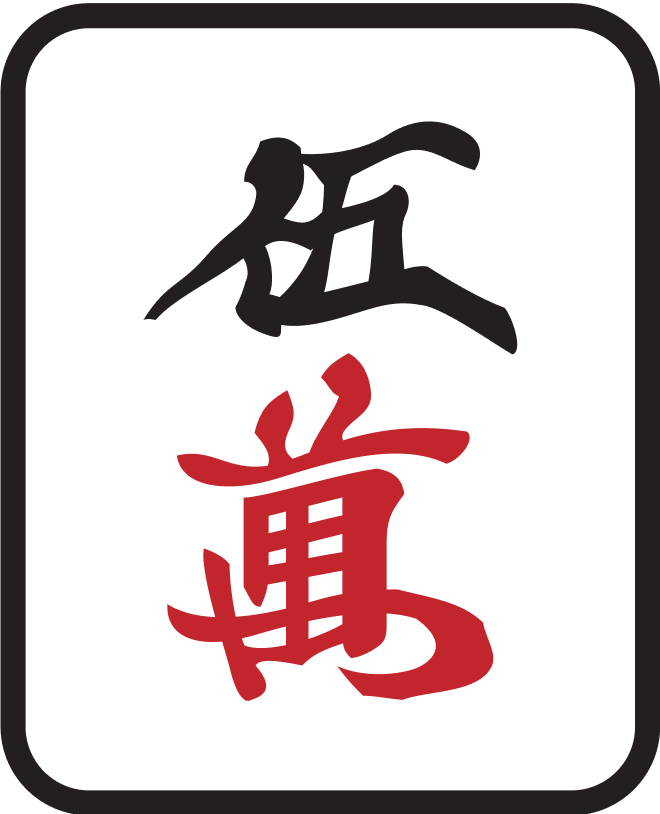
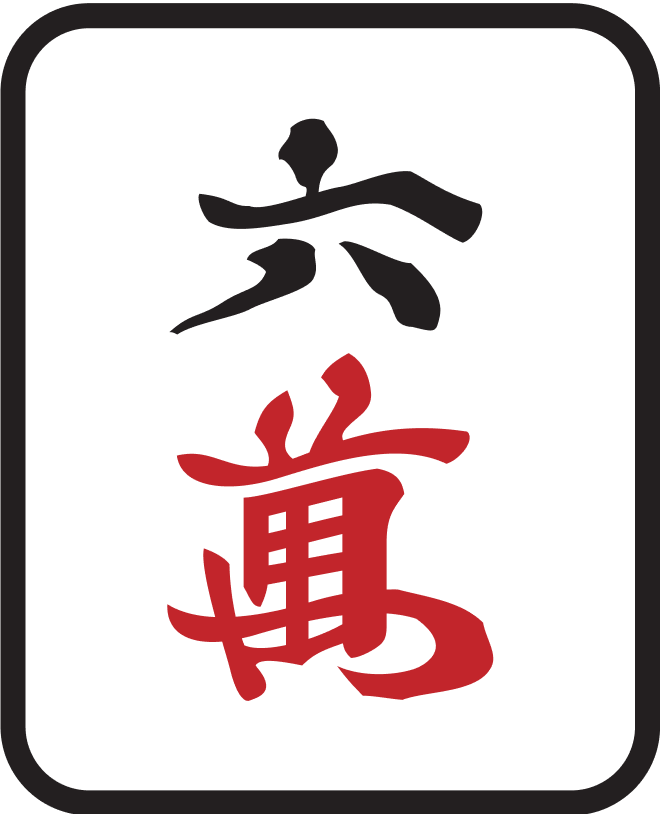
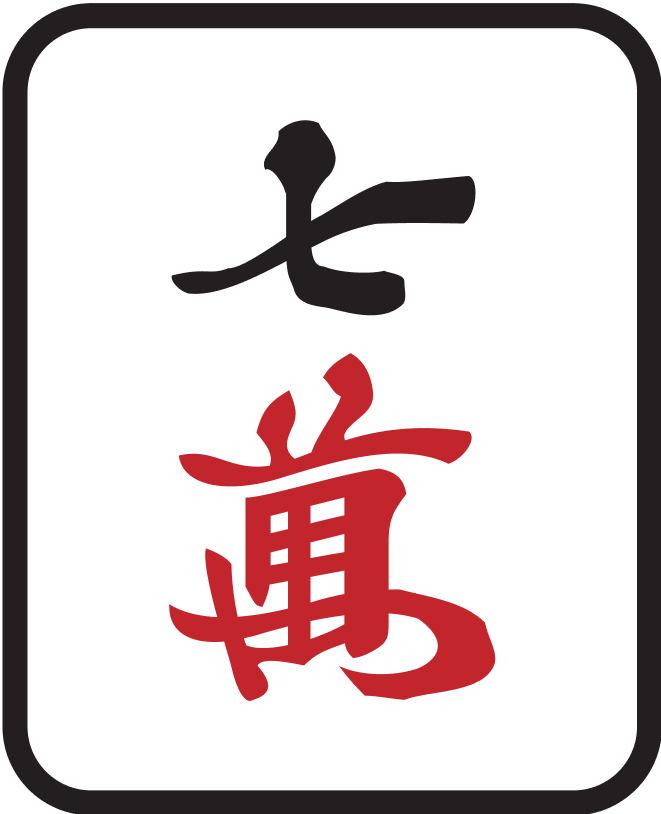
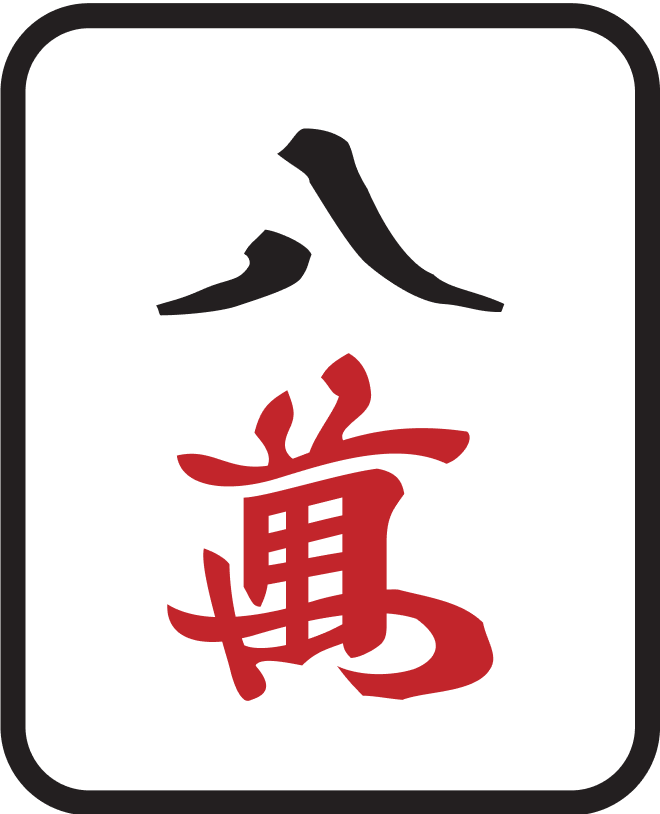
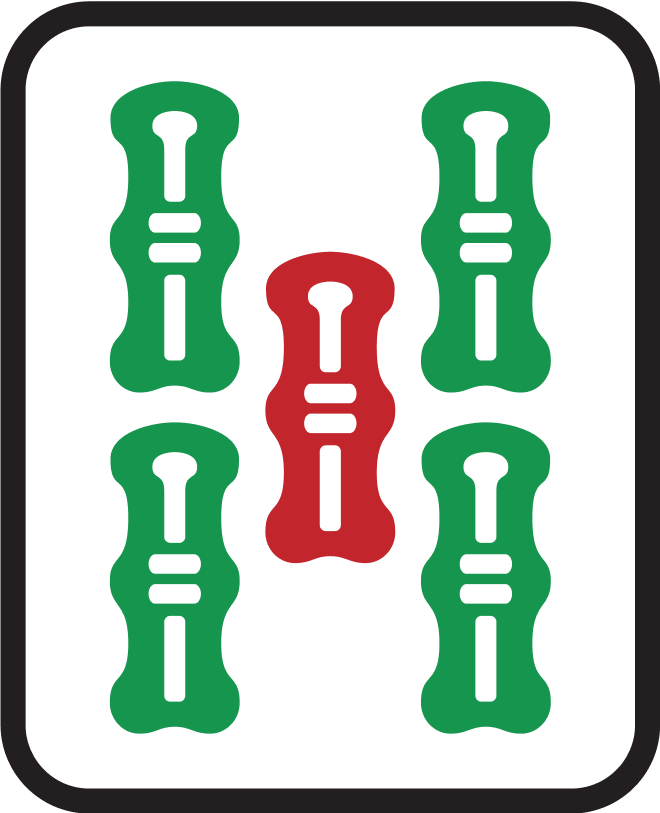 Tsumo
Tsumo
Go ahead, calculate!
Answer: 40 fu
- Base: 20 fu
- Tsumo: 2 fu
- Closed triplet (): 4 fu
- Sequence (): 0 fu
- Closed triplet (): 4 fu
- Pair (): 0 fu
- Wait (kanchan): 2 fu
- Total: 32 fu → 40 fu
Dojo Round Two
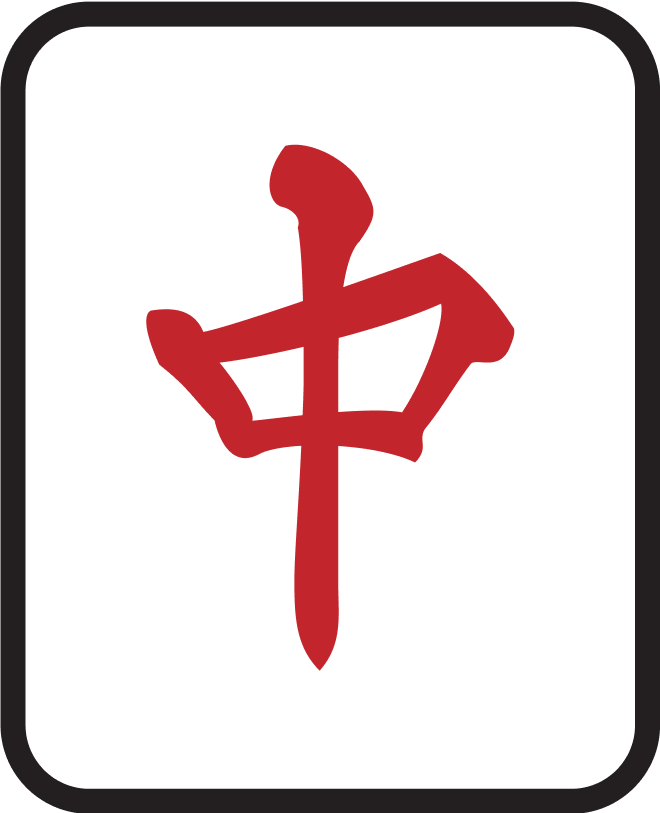
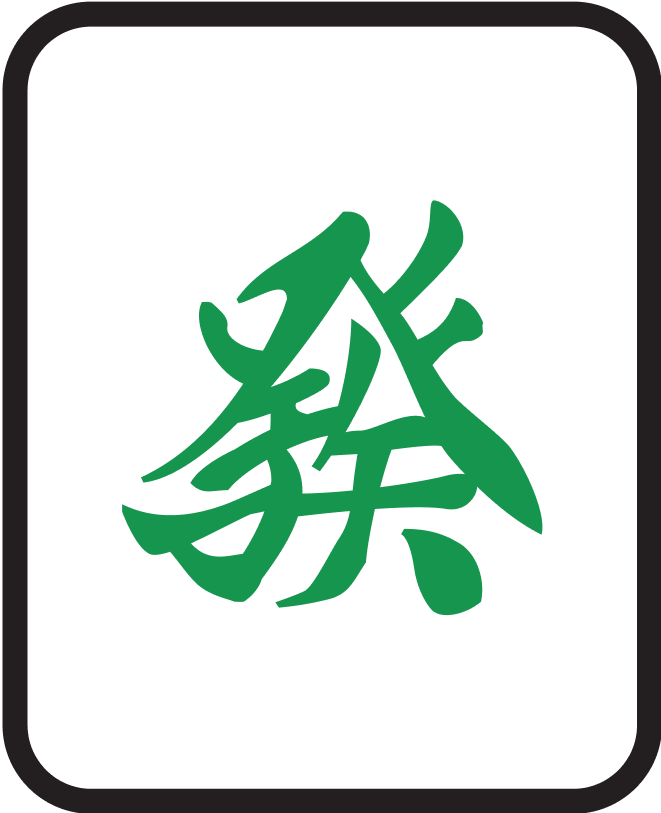

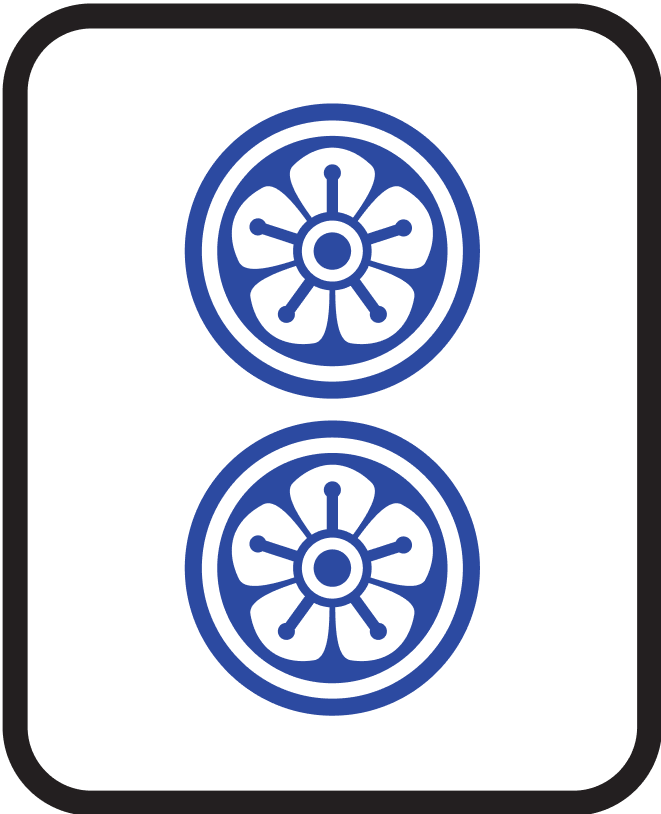
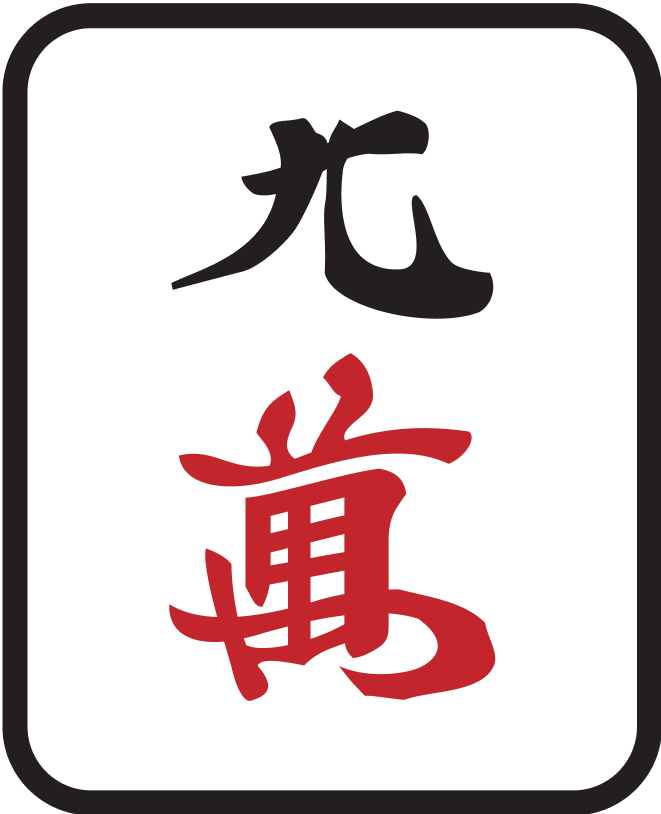
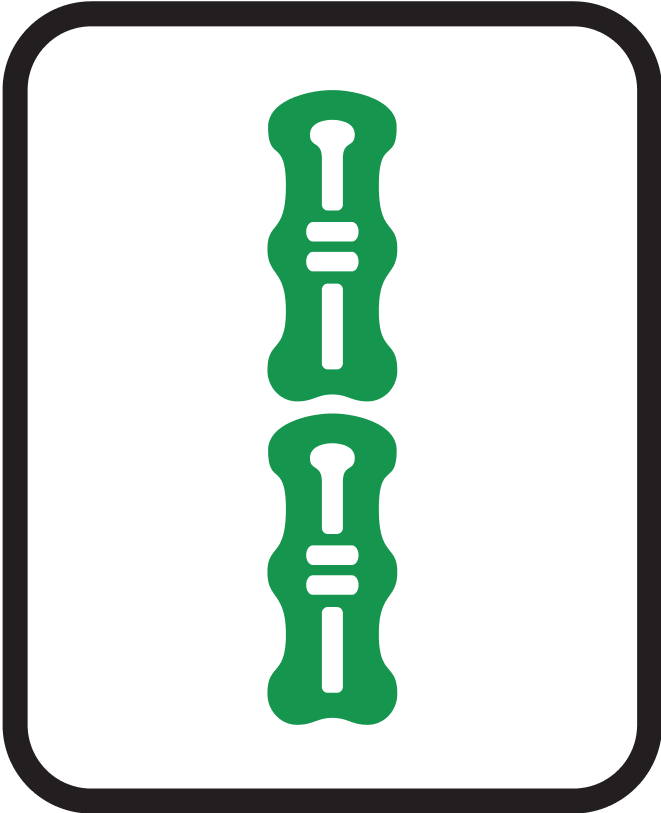 Tsumo
Tsumo
Answer: 50 fu
- Base: 20 fu
- Tsumo: 2 fu
- Closed triplet (): 8 fu (honor)
- Sequence (): 0 fu
- Closed triplet (): 8 fu (terminal)
- Closed triplet (): 4 fu
- Pair (): 2 fu (yakuhai)
- Wait (tanki): 2 fu
- Total: 46 fu → 50 fu
Path to Fu Calculation Master
Fu calculation looks complex at first, but once you get used to it, it’s just simple addition.
What’s important:
- Check the 5 elements in order
- Don’t forget special rules exist
- Always round up ones digit
“I need 3,000 more points for first place, but I don’t know how many points my hand is worth…”
To avoid such sad situations, master fu calculation thoroughly.
You’re now joining the ranks of fu calculation masters! Let’s work together toward that day when you can confidently say “Fu calculation is a breeze” at the mahjong table.
Mahjong is a deep game, but once you can calculate fu, the mahjong world suddenly expands. Accurately grasping scores enables more strategic discard choices.
So next time you sit at the mahjong table, confidently challenge yourself with fu calculation!