“My Tiles Won’t Come Together… I Want to Win Faster!”
Now that you’ve gotten a bit comfortable with mahjong, do you have these frustrations?
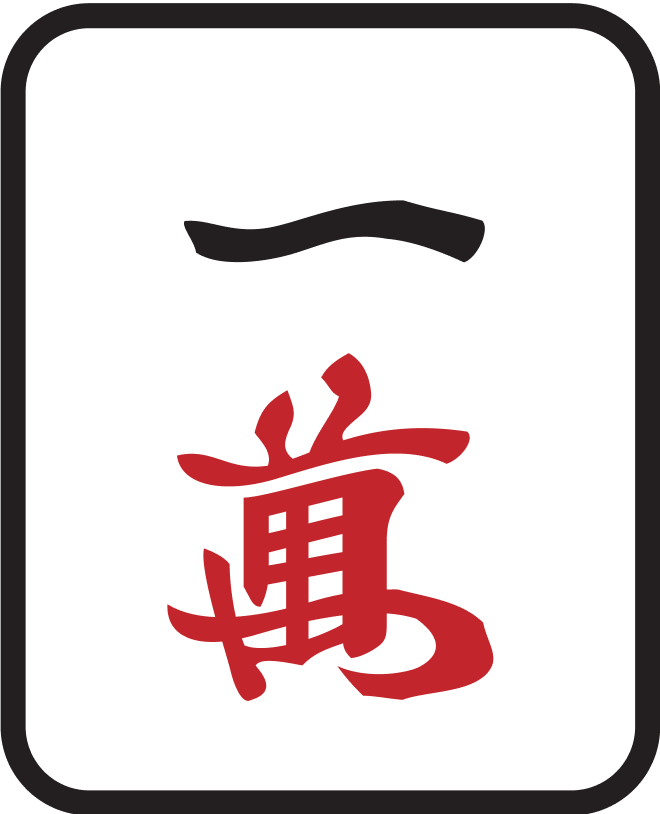
“If I just had one more  , I’d have a sequence, but it never comes…”
“I have two
, I’d have a sequence, but it never comes…”
“I have two 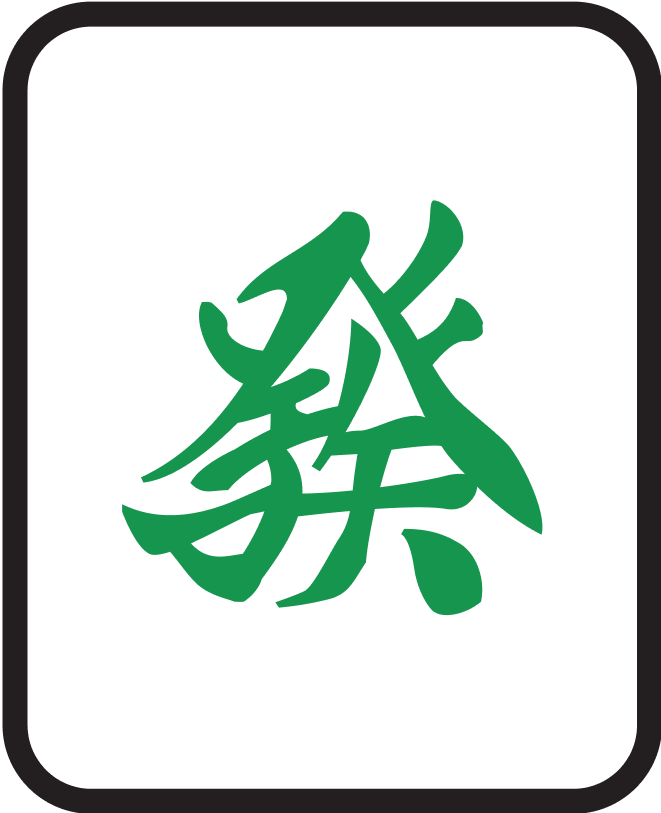 tiles, but can’t get the third one…”
“Everyone else is winning quickly, but I’m the only one who’s slow…”
tiles, but can’t get the third one…”
“Everyone else is winning quickly, but I’m the only one who’s slow…”
Actually, there’s a way to solve this problem. It’s called “calling”!
Until now, you might have thought you could only draw tiles yourself (tsumo) or win with someone’s discard (ron) at the end. But actually, there’s another method: taking discarded tiles from opponents to complete sets!
What Are Calls? The Magic of Taking Opponent’s Tiles
Reviewing Mahjong Basics
First, let’s review the basics of mahjong:
- Form “4 sets and 1 pair” with 14 tiles
- You need yaku (scoring patterns) to win
- Win by either “ Tsumo 用語の説明が見つかりません ” (self-draw) or “ Ron 用語の説明が見つかりません ” (opponent’s discard)
Here’s where calling 用語の説明が見つかりません comes in as a third option!
What Are Calls?
Calling is a method of taking tiles discarded by opponents and immediately forming sets.
For example:
- You have
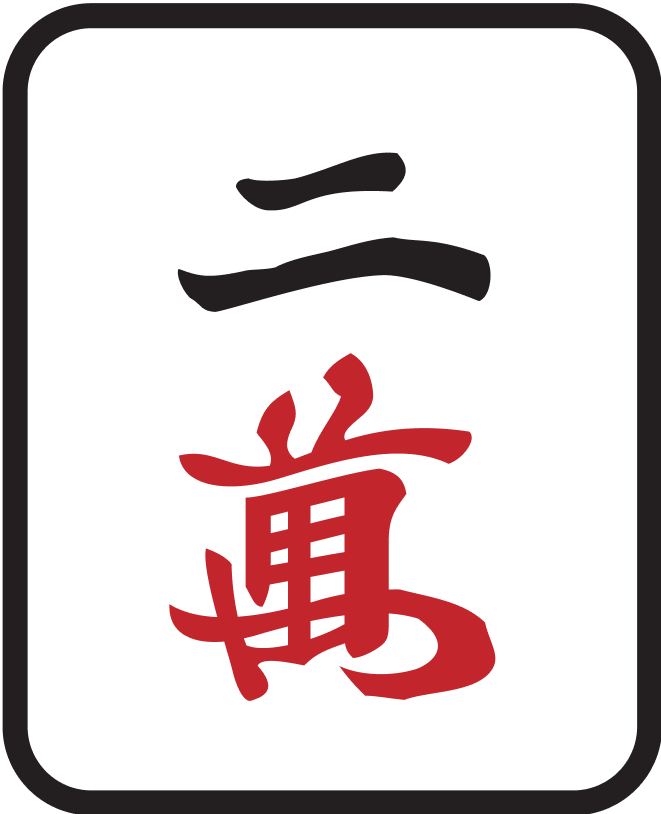 in your hand, and someone discards
 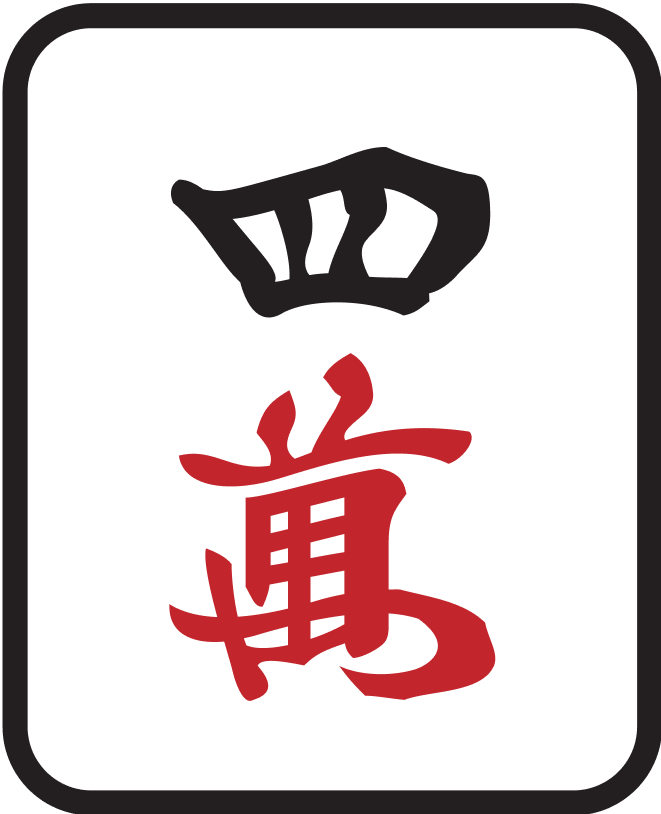 …
… - Call “Chi!” and take the to complete the sequence !
In other words, you can utilize opponent discards without waiting to draw the tiles yourself.
The Two Stars of Calling: “Chi” and “Pon”
Chi Special Rule: From Left Neighbor Only
Chi 用語の説明が見つかりません is a call to form sequences.
Chi Requirements
- Hold a proto-sequence (two tiles that need one more for a sequence)
- Your left neighbor (kamicha) discards the tile you need
- Declare “Chi!”
Types of Proto-Sequences
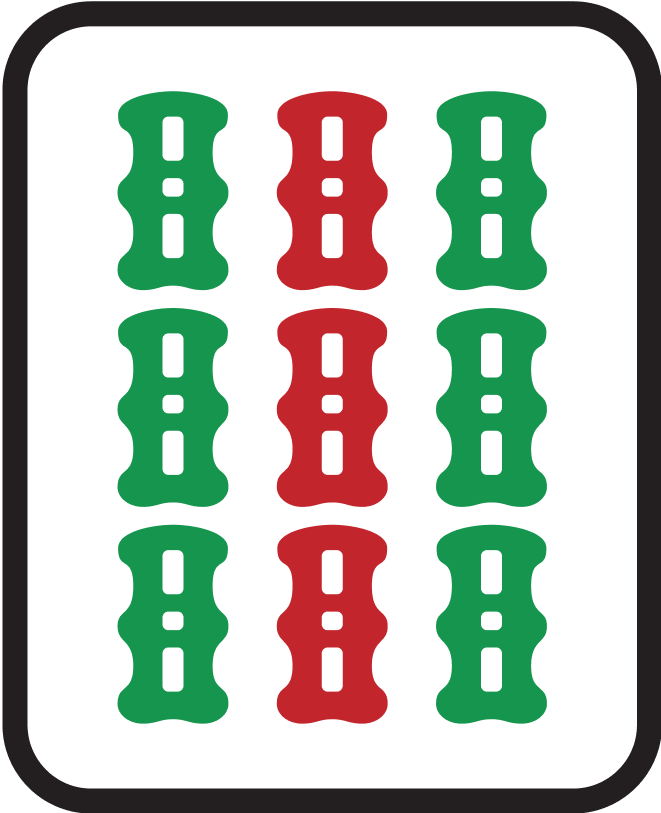
- Open-ended (Ryanmen): (waiting for or
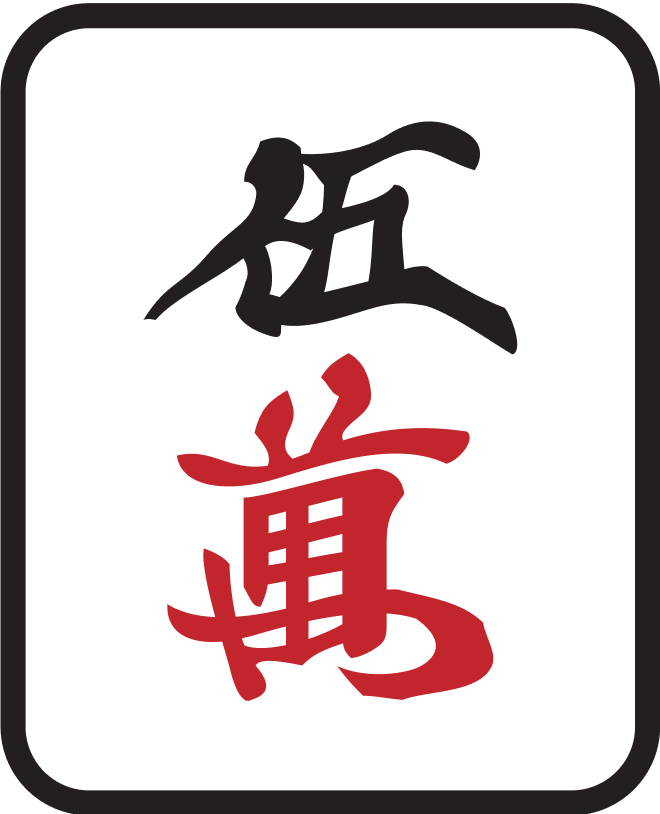 )
) - Closed wait (Kanchan): (waiting for )
- Edge wait (Penchan):
 (waiting for ),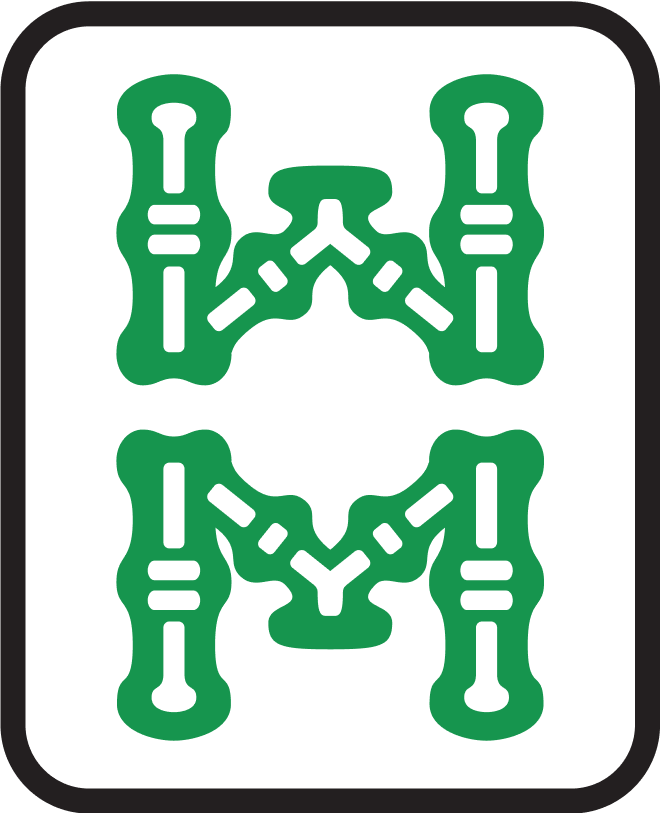
 (waiting for
 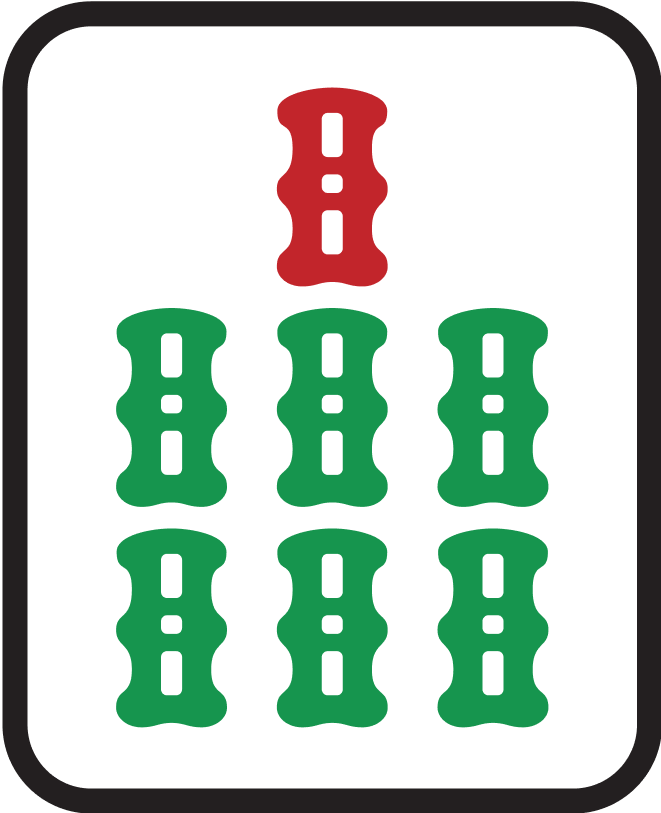 )
)
Chi Display Method
Display the called sequence on your right, with the called tile sideways on the left end.
Example: You have and your left neighbor discards
Display: 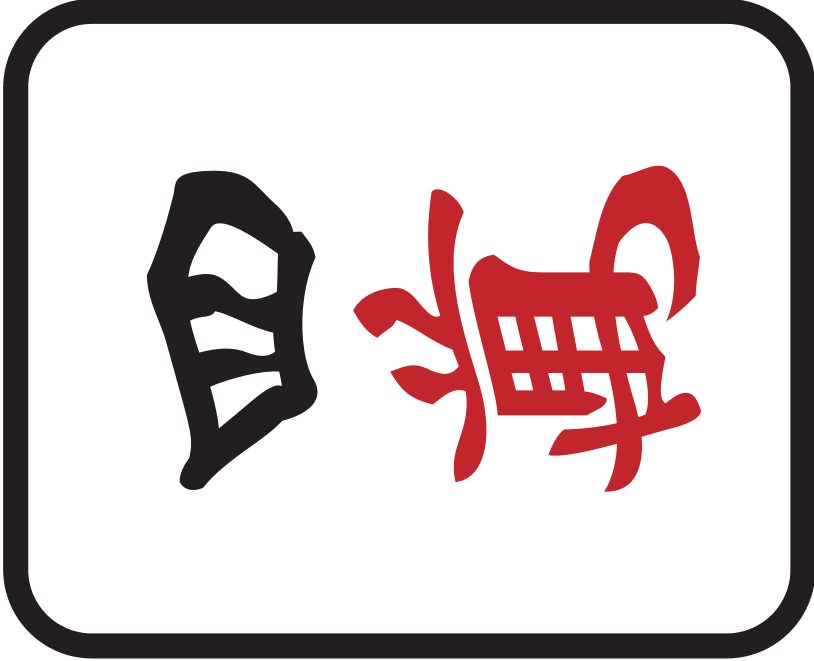 ( is sideways )
Pon Universal Call: OK From Anyone
Pon 用語の説明が見つかりません is a call to form triplets.
Pon Requirements
- Hold a pair (two identical tiles)
- Anyone is OK! Can call from any of the three opponents
- Declare “Pon!”
Pon Display Method
Display the called triplet on your right, with the called tile positioned according to the caller’s direction:
- From left neighbor (kamicha) → Sideways on left end
- From across (toimen) → Sideways in middle
- From right neighbor (shimocha) → Sideways on right end
Example: You have 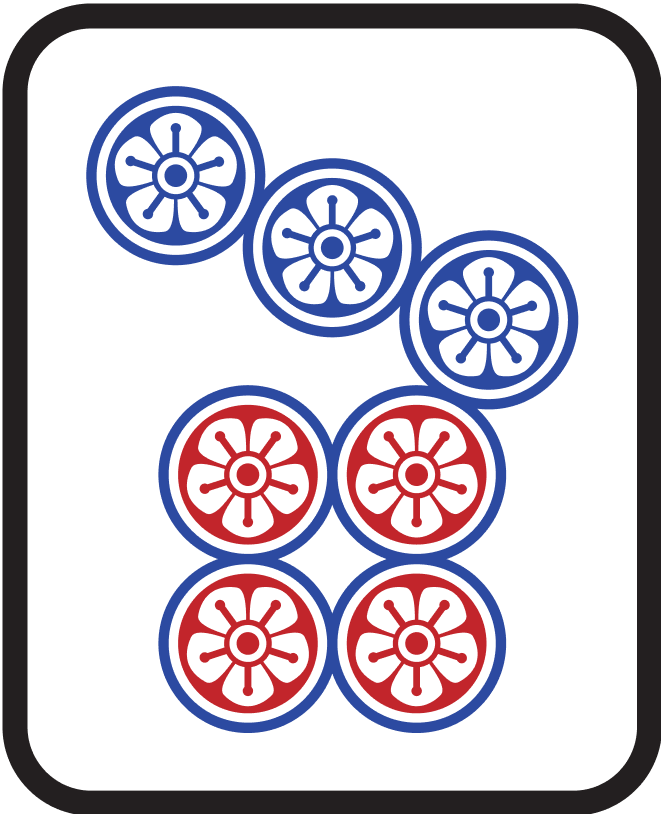 and the player across discards
Display:
and the player across discards
Display: 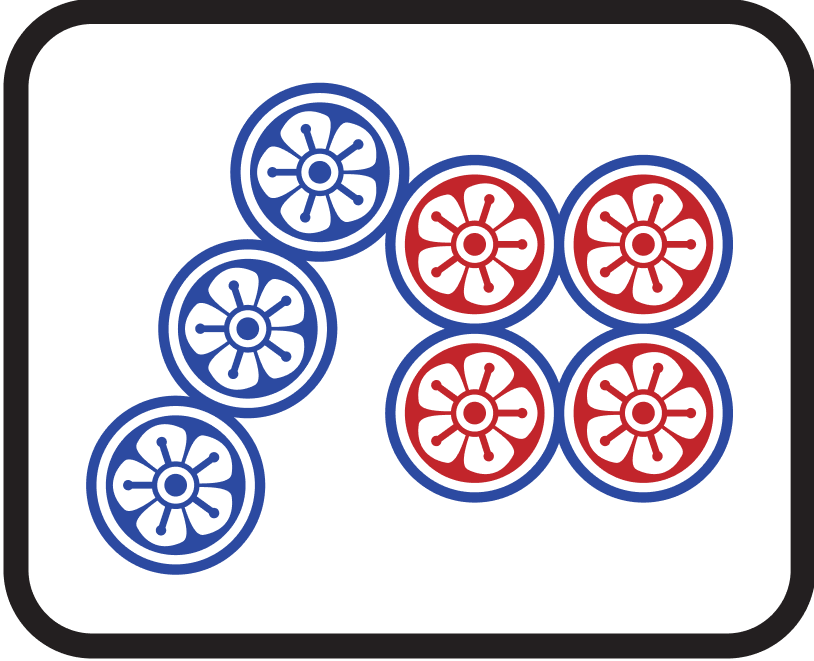 (middle is sideways)
Call Priority
When multiple players want the same tile: Ron > Pon > Chi
In other words, winning takes priority, then pon, and finally chi.
Benefits and Drawbacks of Calling A Double-Edged Sword
Benefits: Speed Up!
1. It’s Fast!
- No need to wait to draw tiles yourself
- Immediately utilize opponent discards
- Dramatically increase speed to tenpai
2. Guaranteed Set Formation
- Freedom from “just one more tile…” frustration
- Opportunity the moment an opponent discards!
3. Beginner-Friendly
- Some yaku still work with calls (like honor tiles)
- Makes forming shapes easier
Drawbacks: Constraints and Weaknesses
1. No Longer Closed
The biggest drawback is losing your closed hand 用語の説明が見つかりません status. You can’t use these yaku:
- Riichi (a beginner’s best friend is gone…)
- Menzen Tsumo (winning by self-draw with closed hand)
- Pinfu (beautiful sequence-based hand)
2. Your Hand Is Revealed
- Called sections are exposed
- Easier for opponents to read your hand
- “That player is collecting Characters” - totally obvious
3. Reduced Defense
- Called tiles can’t be changed
- Hard to escape when it becomes dangerous
- Complete defense (betaori) becomes difficult
Real Game Call Decisions When to Call? When to Hold Back?
When to Call
1. When You Have Honor Tiles
If you have (Green) and someone discards … pon without hesitation!
Reason: Your yaku is already guaranteed
2. When Tanyao Is Confirmed
If you already have no terminals (1, 9) or honors, and calling still maintains tanyao, call actively
3. When Points Are Needed
- Oorasu (final round) when you need to catch up
- Time pressure requiring quick wins
When to Hold Back
1. When You Have a Good Hand
- Good starting hand that could reach riichi
- Holding dora tiles
- Aiming for a high-scoring hand
2. Still Early in the Game
- Round East 1, etc., when there’s plenty of time
- No need to rush
3. When Prioritizing Defense
- Want to maintain your lead
- Dangerous opponents present
Practice Methods for Beginners
Step 1: Start With Honor Tiles
Initially, practice only honor tile pon.
- When you find pairs of
 (White), (Green),
 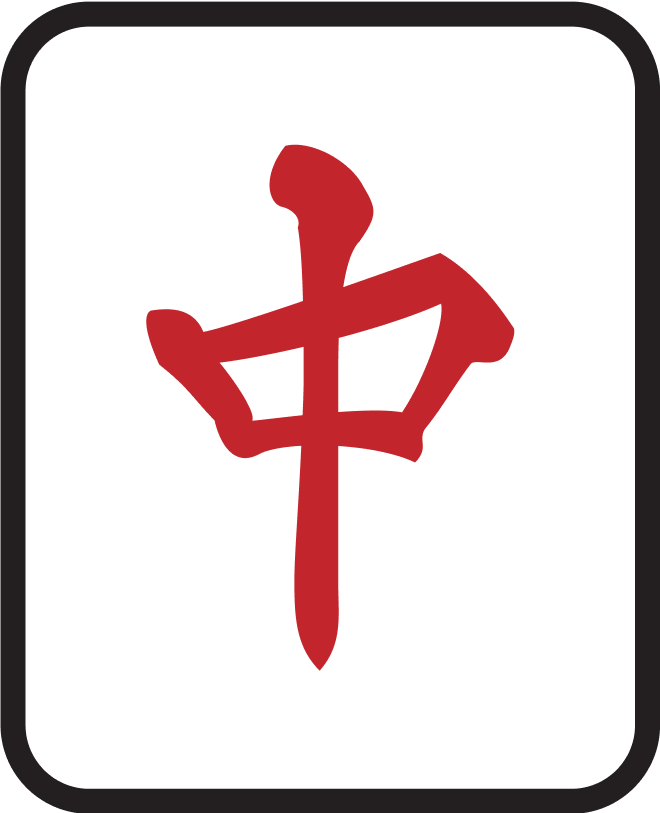 (Red), call actively
 - Safe because yaku is guaranteed even after calling
Step 2: Practice Calling With Tanyao
When you have only 2-8 tiles, call chi and pon actively.
- Just avoid terminals (1, 9) and honor tiles
- Good practice for forming shapes
Step 3: Learn Situational Judgment
- “This hand seems better with riichi”
- “I have honor tiles so calling is safe”
- Gradually develop judgment skills
Frequently Asked Questions
Q: Can’t I riichi after calling?
A: Correct, you cannot. Riichi is only possible with a closed hand (no calls). That’s why the choice between “calling or riichi” is so important.
Q: Chi only from left neighbor is hard to remember…
A: Remember “Chi-left is direct” or think of it as “the person right before your turn” in clockwise order.
Q: Is calling too much bad?
A: Exactly! If you develop a “calling habit,” you won’t be able to build high-scoring hands. While it’s fine to call for practice initially, once comfortable, consciously think about “to call or not to call.”
Summary: Calling Is a Useful Tool, But Usage Matters!
Let’s review what we learned today:
- Chi: Form sequences from left neighbor (requires proto-sequence)
- Pon: Form triplets from anyone (requires pair)
- Calling is fast but has constraints
- Call actively with honor tiles or tanyao
- Judge whether to call or not based on situation
Calling is one element that adds depth to mahjong. Agonizing over “Should I call this tile… or should I wait for riichi…” is part of mahjong’s fun.
Start by calling boldly, then gradually refine your judgment!