What Are “What to Discard” Problems?
What to discard problems (何切る/Nanikiru) are mahjong practice exercises where you select the most efficient tile to discard from a 14-tile hand (after drawing).
In mahjong, you repeatedly make the decision “which tile to discard” after every draw. This judgment ability is key to improvement, and what-to-discard problems are the perfect training method for developing this skill.
Benefits of Solving What-to-Discard Problems
- Improved tile efficiency: Learn to make discards with awareness of acceptance count
- Shape recognition: Develop ability to instantly judge good vs bad shapes
- Point awareness: Make discards considering not just efficiency, but also yaku and point value
- Faster in-game decisions: Build “patterns” through repetitive practice
Tips for Solving What-to-Discard Problems
1. Find Isolated Tiles
First, look for “isolated tiles” that have no connection to other tiles. Isolated tiles don’t contribute to potential sets, so they’re prime discard candidates.
Priority order for discarding isolated tiles:
- Non-valuable honor tiles (guest winds, etc.)
- Terminal tiles (1 & 9) (can only form penchan)
- 2 & 8 tiles (unlikely to form ryanmen)
- 3-7 tiles (rich in ryanmen possibilities)
2. Find Bad Shapes
Penchan (12 or 89) and kanchan (13 or 46, etc.) are less efficient than ryanmen (23 or 45, etc.).
| Shape Type | Example | Acceptance |
|---|---|---|
| Ryanmen | 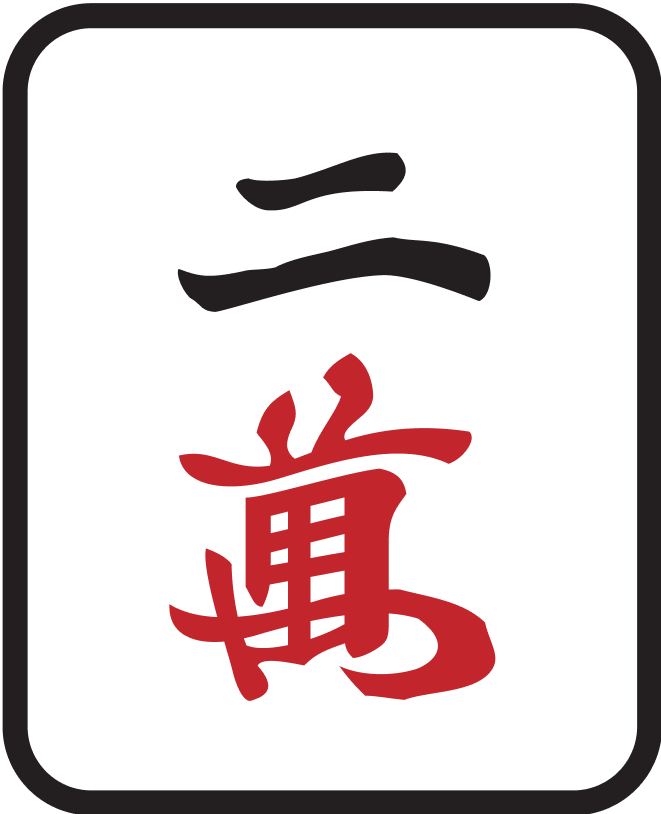  | 8 tiles |
| Kanchan | 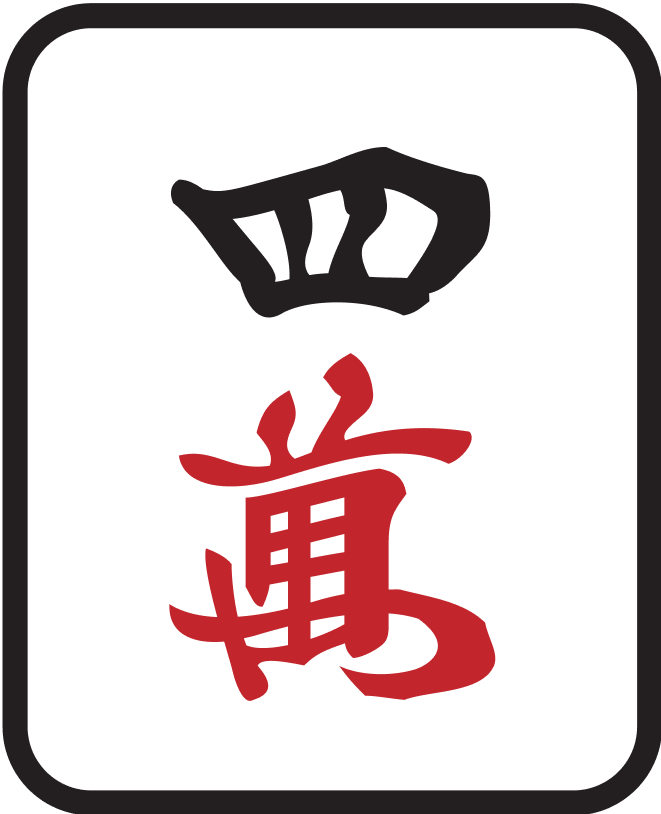 | 4 tiles |
| Penchan | 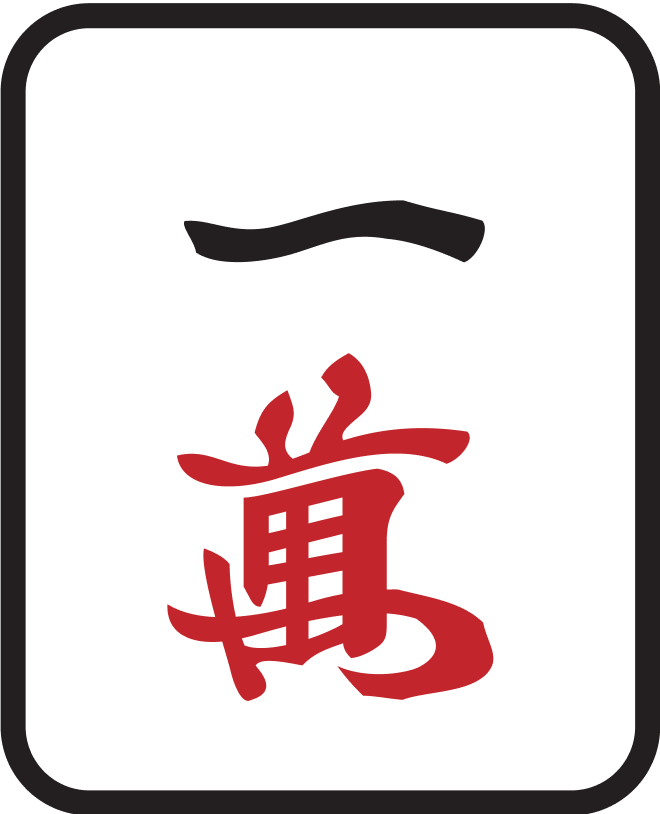 | 4 tiles |
If you have ryanmen, discard the bad shapes.
3. Preserve Compound Shapes
Shapes like 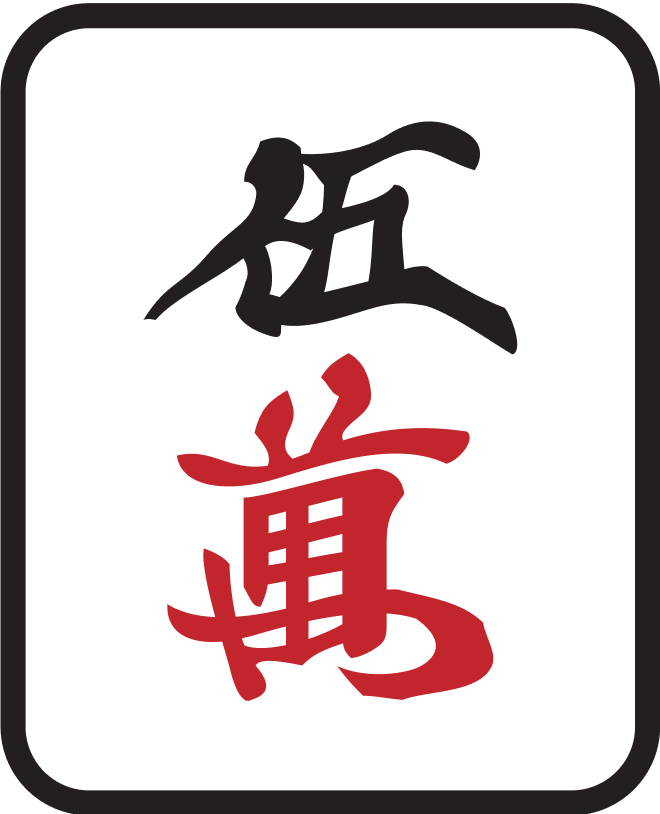 are “ryanmen + ryanmen” compound shapes with 3 types of acceptance:
 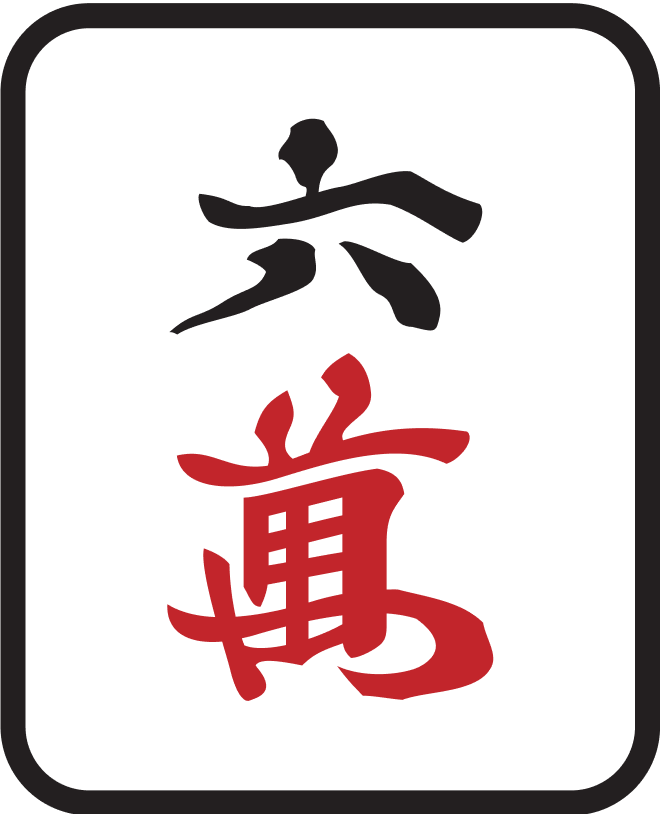 . Be careful not to break these compound shapes.
4. Consider Point Value
Don’t just think about efficiency — consider yaku and point value too. Discarding dora should be a last resort.
Challenge the What-to-Discard Problems
Click on the tiles below to select which tile to discard. The last tile (slightly separated) is the drawn tile.
麻雀 何切る問題
手牌をクリックして、切るべき牌を選んでください。14枚の手牌から1枚を切ります。
初級問題
何を切る?
何を切る?
何を切る?
何を切る?
何を切る?
中級問題
何を切る?
何を切る?
何を切る?
何を切る?
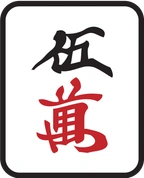
何を切る?
上級問題
何を切る?
何を切る?
何を切る?
何を切る?
何を切る?
Learning Points by Difficulty
Beginner Problem Points
For beginner problems, focus on these basics:
- Prioritize discarding isolated honor tiles and terminals
- Keep ryanmen over penchan/kanchan
- Secure a pair candidate
Intermediate Problem Points
Intermediate problems require more advanced judgment:
- Recognizing compound shapes (ryankanchan, pseudo-ryanmen, etc.)
- Discards that consider yaku like sanshoku or ittsu
- Utilizing dora
Advanced Problem Points
Advanced problems emphasize reading complex shapes and point awareness:
- Judging flush hands (honitsu/chinitsu)
- Balancing between regular hand and chiitoitsu
- Judging subtle efficiency differences
Common Mistakes
1. Discarding Dora Too Early
Dora is worth 1 han per tile. Even with slightly worse efficiency, it’s often worth keeping until the end.
2. Holding Onto Yakuhai Too Long
A single yakuhai tile has low probability of becoming a pair. If a yakuhai is isolated and you have no other effective use, discard it early.
3. Breaking Ryanmen Shapes
Discarding or from a shape significantly reduces your ryanmen acceptance. Preserve compound shapes.
Summary
By repeatedly solving what-to-discard problems, you’ll develop:
- Ability to quickly find isolated tiles
- Judgment of good vs bad shapes
- Recognition of compound shapes
- Selection ability with point awareness
Solve a few problems every day to develop your sense of tile efficiency. Once you no longer hesitate about “what to discard” in actual games, your mahjong has definitely leveled up!